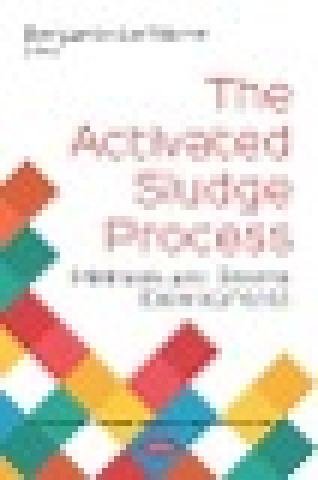
Kód: 21382450
Activated Sludge Process
Autor Benjamin Lefebvre
In this collection, the authors report on the pretreatment methods for waste activated sludge based on pulsed electric field and corona discharge techniques. The effects of pulse magnitude, frequency, temperature and pretreatment ... celý popis


- Jazyk:
 Angličtina
 - Vazba: Brožovaná
- Počet stran: 158
Nakladatelství: Nova Science Publishers Inc, 2019
- Více informací o knize

2442 Kč
Dostupnost:
50 % šance Máme informaci, že by titul mohl být dostupný. Na základě vaší objednávky se ho pokusíme do 6 týdnů zajistit.
Prohledáme celý svět
Mohlo by se vám také líbit
-

Tintin in Tibet
194 Kč -

Zabiják démonů 12 - Sněm vyšších Měsíců
200 Kč -

Understanding Psychosis
1200 Kč -

Flowers in the Attic
227 Kč -

Better Results
1165 Kč -

HARLEY QUINN V02
334 Kč -

Ageless Aging: A Woman's Guide to Increasing Healthspan, Brainspan, and Lifespan
490 Kč -

Nooks & Crannies
163 Kč -

The Cinnamon Bun Cookbook
219 Kč -

Pig Out!
137 Kč -
Nuclear Medicine Physics
2147 Kč -

Cambridge Handbook of Immunities and International Law
5823 Kč -

Kendlewood Park
548 Kč -

Ancient China Simplified
166 Kč -
Koerperinszenierung - Objektsammlung - Monumentalisierung
711 Kč -
I Love Winter (Norwegian English Bilingual Book for Kids)
362 Kč -

Desarrollo del género en la feminidad y la masculinidad
396 Kč -

Guide Des Voyageurs En France
467 Kč -
Penisola pentagonale
490 Kč -
Lawinenschrank
300 Kč -

The Collected Love Poems of Paul Alonzo Dobson II
340 Kč -
African Diaspora
422 Kč -

Conselho Monetário Nacional: Sua História, Estrutura E Objetivos: Uma Breve Introduç?o
150 Kč -
Nangai Vizhineer
337 Kč -
Vaccine Papers
515 Kč -

I Love My Dad (English Bengali Bilingual Children's Book)
599 Kč -

Have Sextant Will Travel
435 Kč -

Auditory Trauma, Protection, and Repair
3532 Kč
Darujte tuto knihu ještě dnes
- Objednejte knihu a zvolte Zaslat jako dárek.
- Obratem obdržíte darovací poukaz na knihu, který můžete ihned předat obdarovanému.
- Knihu zašleme na adresu obdarovaného, o nic se nestaráte.
Informovat o naskladnění knihy
Zadejte do formuláře e-mailovou adresu a jakmile knihu naskladníme, zašleme vám o tom zprávu. Pohlídáme vše za vás.
Více informací o knize Activated Sludge Process
Nákupem získáte 244 bodů
 Anotace knihy
In this collection, the authors report on the pretreatment methods for waste activated sludge based on pulsed electric field and corona discharge techniques. The effects of pulse magnitude, frequency, temperature and pretreatment time are demonstrated on the basis of cell membrane electroporation. The influence of voltage polarity, frequency, magnitude, treating time and temperature has also been demonstrated. A description of fundamental techniques in molecular biology for the analysis of the microbiota of activated sludge is provided. Activated sludge is a heterogeneous system of organisms, organic and inorganic material, and therefore giving a specific protocol for each molecular technique would be imprudent. The authors go on to discuss the Monod model, which provides a functional relationship between specific growth rate and substrate concentration in the bulk. Important research efforts dedicated to adequate use of the Monod model are presented, consolidating knowledge from activated sludge and biofilm modelling, identifying misdirections, and setting parameters for further research. In one study, different microwave power outputs and times were optimised for sludge solubilisation without evaporation loss in waste activated sludge from two different sources. The variable effects of pre-treatments on extracellular polymeric substances fraction, cellular oxidative stress and solubilisation of both sludges were evaluated to understand the impact of sludge complexity. The penultimate chapter examines how toxic carbon sources can cause higher residual effluent dissolved organic carbon than easily biodegraded carbon sources in the activated sludge process. Based on the variations of chemical components of activated sludge, mainly intracellular storage materials, extracellular polymeric substances and soluble microbial products, the performance and mechanism of toxic carbon on the activated sludge process can be clarified. The purpose of the final study is to research the supplementation of different concentrations of substrate on the degradation rate of xenobiotics, and to determine the optimal concentrations of auxiliary substrates that are most beneficial. The results show that sugar and peptone can affect 2,4-D degradation rate by several different degrees at different concentrations.
Parametry knihy
2442 Kč
- Plný název: Activated Sludge Process
- Autor: Benjamin Lefebvre
- Jazyk: Angličtina
- Vazba: Brožovaná
- Počet stran: 158
- EAN: 9781536152029
- ISBN: 1536152021
- ID: 21382450
- Nakladatelství: Nova Science Publishers Inc
- Hmotnost: 302 g
- Rozměry: 154 × 232 × 13 mm
- Datum vydání: 21. March 2019
Oblíbené z jiného soudku
-

Moonwalk
243 Kč -

The Score
323 Kč -

The Deal
275 Kč -

The Mistake
248 Kč -

Jujutsu Kaisen, Vol. 30
233 Kč -

Witch Hat Atelier: Grimoire Edition 1
777 Kč -
Invincible Compendium Volume 2
1024 Kč -
Berserk Deluxe Volume 1
804 Kč -

The Goal
312 Kč -
Berserk Deluxe Volume 2
862 Kč -
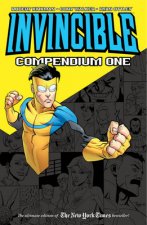
Invincible Compendium Volume 1
1305 Kč -
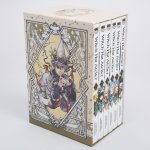
Witch Hat Atelier Manga Box Set 1
1241 Kč -
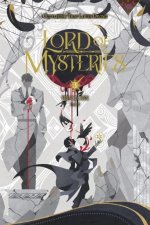
Lord of Mysteries, Vol. 3: The Clown, Part III
338 Kč -
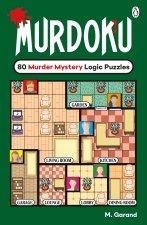
Murdoku
380 Kč -

Moonwalk: A Memoir
517 Kč -

Heated Rivalry
227 Kč -
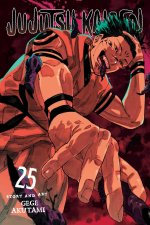
Jujutsu Kaisen, Vol. 25
240 Kč -

Legacy
327 Kč -
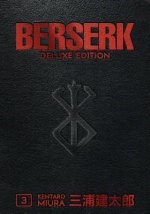
Berserk Deluxe Volume 3
804 Kč -

Veil Volume 1
352 Kč -
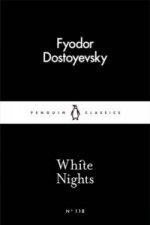
White Nights
89 Kč -
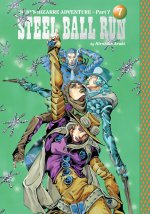
JoJo's Bizarre Adventure: Part 7--Steel Ball Run, Vol. 7
427 Kč -

Jujutsu Kaisen, Vol. 29
240 Kč -

Jujutsu Kaisen, Vol. 26
240 Kč -
Invincible Compendium Volume 3
1108 Kč -

The Deal
334 Kč -

The Long Game
227 Kč -

Dancing The Dream
522 Kč -
Berserk Deluxe Volume 5
779 Kč -

Invincible Volume 1
252 Kč -
Starside (Deluxe Limited Edition)
522 Kč -

Yesteryear
359 Kč -
Berserk Deluxe Volume 4
854 Kč -

Jujutsu Kaisen, Vol. 28
199 Kč -

The Summer Hikaru Died, Vol. 7
272 Kč -
King of Gluttony
229 Kč -

Jojo's Bizarre Adventure: Part 7--Steel Ball Run, Vol. 1
442 Kč -

Boys Omnibus Vol. 1 TPB
689 Kč -
Chainsaw Man, Vol. 21
225 Kč -

The Ballad of Falling Dragons
275 Kč -

Project Hail Mary
219 Kč -

The Mistake
334 Kč -

Veil Volume 2
375 Kč -

The Score
334 Kč -
Murdoku
319 Kč -

Lord of Mysteries, Vol. 1: The Clown, Part I
335 Kč -

Jojo's Bizarre Adventure: Part 7--Steel Ball Run, Vol. 2
457 Kč -

The Courage To Be Disliked
227 Kč -

Jujutsu Kaisen, Vol. 1
238 Kč
Osobní odběr Praha, Brno a 46927 dalších
Copyright ©2008-26 nejlevnejsi-knihy.cz Všechna práva vyhrazenaSoukromíCookies

 Vrácení do měsíce
 571 999 099 (8-15.30h)