Kód: 06828406
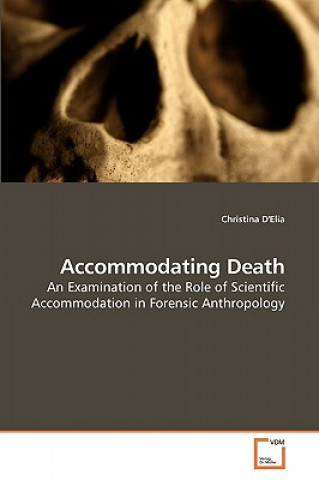
Accommodating Death
Autor Christina D'Elia
Scientists have strong motivations to communicate with the public, yet this communication is often ineffective, due to divisions of audience and discourse community, as well as the scientists biases against communicating with the ... celý popis


- Jazyk:
 Angličtina
- Vazba: Brožovaná
- Počet stran: 116
Nakladatelství: VDM Verlag, 2010
- Více informací o knize


Mohlo by se vám také líbit
-

The Complete Gods and Goddesses of Ancient Egypt
454 Kč -

Wine Folly: Edición Magnum
711 Kč -

Peter Pan y Wendy: Edicion del Centenario
538 Kč -

Big Life in Advertising
402 Kč -

HELP YOUR MONSTER WITH SCIENCE MATERIA
245 Kč -

Aufklärung als Flaschenpost oder Anthropologie der Gegenwart
1928 Kč -

Five-Star Trails: Knoxville
367 Kč -

STRADOVARO.VOL 2.LIBRE DE PIANO
568 Kč -

Effects of Selected Process Variables on Properties of Cartridge Brass
1135 Kč -

Annales BTS 2017 Français BTS Tertiairres et Industriels
357 Kč -

ShowTops Taylor Swift Weiheiten
357 Kč -

Tarzan and the Jewels of Opar
422 Kč -

XXXI Premios Literarios Sant Jordi 2014
285 Kč -

Cours de Droit Administratif. 4e Edition. Tome 1
903 Kč -

Quaternary History of the Coorong Coastal Plain, Southern Australia
3589 Kč -

Cardiac CT Made Easy
5507 Kč -

Moving Forward
196 Kč -

Sermon, on the Duty of Attending the Public Worship of God. Preached at Digby in Nova-Scotia, April 19th, 1789. By Roger Viets, Rector of Digby, and M
636 Kč -

Asymmetrische Fluß-FFF in Verbindung mit MALS
1094 Kč -

Ausgewahlte Schriften Des Aristoteles V1: Die Poetik (1859)
949 Kč -

Histoire Cousue de Fil Bleu
996 Kč -

Facing the Trust Gap- Measuring and Managing Stakeholder Trust
1620 Kč -

Krankheiten und Beschadigungen des Weinstockes und Beerenobstes
287 Kč -

Polyphenole in Extrakten aus gekelterten roten Weintrauben
1203 Kč -

Digest on the Law of Scotland Relating to Marriage
949 Kč -

Filmschätze aus Mecklenburg-Vorpommern - 2er-DVD-Schuber, 2 DVD
458 Kč -

Read All about the Human Body
640 Kč -

I Love Winter (Korean Children's Book)
413 Kč -

Voces de aliento y romances encontrados
398 Kč -

Die Grenzmarken Des Europaischen Russlands: Ihre Geographische Eigenart Und Ihre Bedeutung Fur Den Weltkrieg (1915)
568 Kč -

Cambridge Songs (Carmina Cantabrigiensia)
891 Kč -

De doctrina christiana libri quatuor, et Enchiridion ad Laurentium
546 Kč -

Road to the NBA, Vol. III
666 Kč -

Texas State of Mind
1927 Kč -

Transcultural Memory and European Identity in Contemporary German-Jewish Migrant Literature
3215 Kč
Darujte tuto knihu ještě dnes
- Objednejte knihu a zvolte Zaslat jako dárek.
- Obratem obdržíte darovací poukaz na knihu, který můžete ihned předat obdarovanému.
- Knihu zašleme na adresu obdarovaného, o nic se nestaráte.
Více informací o knize Accommodating Death
Nákupem získáte 114 bodů
 Anotace knihy

Scientists have strong motivations to communicate with the public, yet this communication is often ineffective, due to divisions of audience and discourse community, as well as the scientists biases against communicating with the public. Scientific accommodation helps to bridge this gap. In some fields, like forensic anthropology, scientists write their own accommodation. This analysis, unlike others, will include these accommodations and seeks to determine the role the author plays in accommodation. If the scientist is the accommodator, does the text still undergo the same changes? With a combination of Fahnestock s analysis of scientific communication, Latour and Woolgar s Statement Types, and Toulmin et al. s method of diagramming scientific arguments, this analysis examines the discourse of forensic anthropology to determine what effect the author and the accommodator (or author/accommodator), have on the text and how these changes relate to forensic anthropology as a discipline.
Parametry knihy
Zařazení knihy Knihy v angličtině Reference, information & interdisciplinary subjects Interdisciplinary studies Communication studies
1141 Kč
- Plný název: Accommodating Death
- Podnázev: An Examination of the Role of Scientific Accommodation in Forensic Anthropology
- Autor: Christina D'Elia
- Jazyk: Angličtina
- Vazba: Brožovaná
- Počet stran: 116
- EAN: 9783639204216
- ISBN: 3639204212
- ID: 06828406
- Nakladatelství: VDM Verlag
- Hmotnost: 181 g
- Rozměry: 229 × 152 × 7 mm
- Datum vydání: 26. February 2010
Oblíbené z jiného soudku
-

The Culture Map
342 Kč -
Interaction Ritual
351 Kč -

Communication Book
243 Kč -
Copycat Effect
412 Kč -

Nonviolent Communication: A Language of Life
375 Kč -

Nonviolent Commun Comp Workbook
375 Kč -

On Dialogue
656 Kč -

Media, Culture and Society
865 Kč -

The Culture Map
503 Kč -

Fierce Conversations
423 Kč -
Language of Change
377 Kč -

Hand
377 Kč -

Reading People
641 Kč -

Gutenberg Galaxy
1256 Kč -

For More than One Voice
596 Kč -

Comparative Legal Linguistics
1986 Kč -

McQuail's Media and Mass Communication Theory
1065 Kč -

Nonverbal Communication
1979 Kč -

McQuail's Media and Mass Communication Theory
3286 Kč -

Network Culture
1015 Kč -

Laws of Media
777 Kč -

Communication Theories: Origins, Methods and Uses in the Mass Media
1784 Kč -
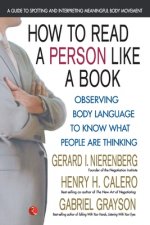
How to Read a Person Like a Book
432 Kč -

Revolutions in Communication
1015 Kč -
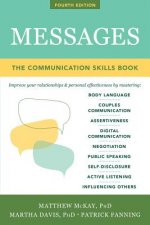
Messages
530 Kč -
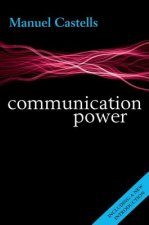
Communication Power
713 Kč -

Athanasius Kircher
1469 Kč -

Clinical Communication Skills for Medicine
779 Kč -

Houston, We Have a Narrative
575 Kč -

Leadership Without Easy Answers
1228 Kč -

Audible Past
810 Kč -

Impossible to Ignore: Creating Memorable Content to Influence Decisions
467 Kč -
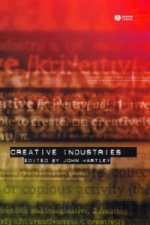
Creative Industries
933 Kč -

All About Language
973 Kč -

Selections from Science and Sanity, Second Edition
847 Kč -

Book Of Tells
340 Kč -

Introduction to Communication Studies
974 Kč -

Mediated Construction of Reality
654 Kč -

Relevance - Communication and Cognition 2e
983 Kč -

Master Switch
644 Kč -

Ideology and Modern Culture - Critical Social Theory in the Era of Mass Communication
767 Kč -

Kittler and the Media
533 Kč -

Viral Marketing
733 Kč -
Social Media
1372 Kč -

Decoding Advertisements
464 Kč -

Understanding the World's Cultures
616 Kč -

Nonverbal Communication
1786 Kč -

Encyclopedia of Deception
10112 Kč -

Rethinking Visual Anthropology
1022 Kč
Osobní odběr Praha, Brno a 48020 dalších
Copyright ©2008-26 nejlevnejsi-knihy.cz Všechna práva vyhrazenaSoukromíCookies

 Vrácení do měsíce
 571 999 099 (8-15.30h)
