Kód: 04034860
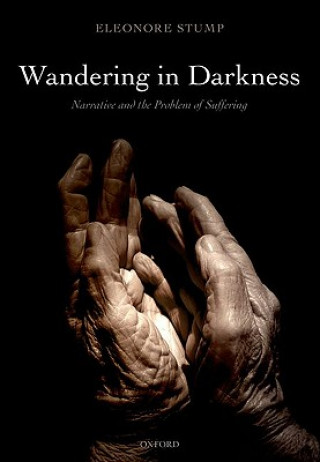
Wandering in Darkness
Autor Eleonore Stump
Only the most naive or tendentious among us would deny the extent and intensity of suffering in the world. Can one hold, consistently with the common view of suffering in the world, that there is an omniscient, omnipotent, perfect ... celý popis


- Jazyk:
 Angličtina
 - Vazba: Pevná
- Počet stran: 690
Nakladatelství: Oxford University Press, 2010
- Více informací o knize


Mohlo by se vám také líbit
-

A Brief History of the World in 47 Borders
341 Kč -

Life and Truth of George R. Stewart
984 Kč -

Kierunek jakość. Jak unikać błędów w projekcie
297 Kč -

Right Where You Left Me
337 Kč -

Oxford Medicine - Advance Pages Volume 1
990 Kč -
Hope Is a Rainbow
203 Kč -

Place of My Own
522 Kč -

Death and Other Lovers
543 Kč -

Les Aventures d'Écoboy et Beug'Z
555 Kč -

Ferramentas E Práticas Em Coaching
345 Kč -

Mögen Sie Emily Dickinson?, m. 1 Audio-CD, m. 1 Buch
450 Kč -

Bibliotecas universitarias y automatizacion
2126 Kč -

Nanomaterials: The Building Blocks of Modern Technology
4238 Kč -
Visual Cognition
2824 Kč
Dárkový poukaz: Radost zaručena
- Darujte poukaz v libovolné hodnotě a my se postaráme o zbytek.
- Poukaz se vztahuje na celou naši nabídku.
- Elektronický poukaz vytisknete z e-mailu a můžete ihned darovat.
- Platnost poukazu je 12 měsíců od data vystavení.
Více informací o knize Wandering in Darkness
Nákupem získáte 302 bodů
 Anotace knihy
Only the most naive or tendentious among us would deny the extent and intensity of suffering in the world. Can one hold, consistently with the common view of suffering in the world, that there is an omniscient, omnipotent, perfectly good God? This book argues that one can. Wandering in Darkness first presents the moral psychology and value theory within which one typical traditional theodicy, namely, that of Thomas Aquinas, is embedded. It explicates Aquinas's account of the good for human beings, including the nature of love and union among persons. Eleonore Stump also makes use of developments in neurobiology and developmental psychology to illuminate the nature of such union. Stump then turns to an examination of narratives. In a methodological section focused on epistemological issues, the book uses recent research involving autism spectrum disorder to argue that some philosophical problems are best considered in the context of narratives. Using the methodology argued for, the book gives detailed, innovative exegeses of the stories of Job, Samson, Abraham and Isaac, and Mary of Bethany. In the context of these stories and against the backdrop of Aquinas's other views, Stump presents Aquinas's own theodicy, and shows that Aquinas's theodicy gives a powerful explanation for God's allowing suffering. She concludes by arguing that this explanation constitutes a consistent and cogent defense for the problem of suffering.
Parametry knihy
Zařazení knihy Knihy v angličtině Humanities Religion & beliefs Religion: general
3017 Kč
- Plný název: Wandering in Darkness
- Autor: Eleonore Stump
- Jazyk: Angličtina
- Vazba: Pevná
- Počet stran: 690
- EAN: 9780199277421
- ISBN: 0199277427
- ID: 04034860
- Nakladatelství: Oxford University Press
- Hmotnost: 1379 g
- Rozměry: 254 × 181 × 44 mm
- Datum vydání: 23. September 2010
Oblíbené z jiného soudku
-

History of Christianity
445 Kč -

Screwtape Letters
248 Kč -

Rites of Passage, Second Edition
738 Kč -
Heretics
178 Kč -
Waking, Dreaming, Being
442 Kč -

Mindfulness Bliss and Beyond
568 Kč -

Story of Christianity Volume 1
557 Kč -
Lost Scriptures
314 Kč -

Mary Magdalene
272 Kč -
Reign of Quantity and the Signs of the Times
753 Kč -

Right Side of History
292 Kč -
Gaut's Descendants: Gothic Religion and Culture in Germania
547 Kč -

Big Gods
608 Kč -

Trinity in Asian Perspective
525 Kč -

The Righteous Mind
335 Kč -
The Happiness Hypothesis: Finding Modern Truth in Ancient Wisdom
334 Kč -
The Perennial Philosophy
343 Kč -

Bhagavad Gita
162 Kč -

The Courage to Be
322 Kč -
Wisdom Of Insecurity
292 Kč -
Symbols of Sacred Science
567 Kč -

A Secular Age
445 Kč -
Knowing God
350 Kč -
Tao Te Ching
158 Kč -
Perspectives on Initiation
525 Kč -
Art of Worldly Wisdom
195 Kč -
Sacred and the Profane
303 Kč -
Apotheosis - The Ultimate Beginner's Guide to Luciferianism & the Left-Hand Path
538 Kč -

Conversations With God
235 Kč -
Waking Up
235 Kč -
Living Goddesses
890 Kč -
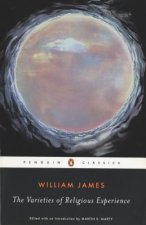
Varieties of Religious Experience
288 Kč -

American Cosmic
490 Kč -
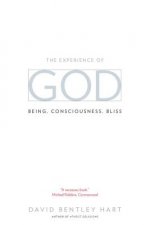
Experience of God
363 Kč -
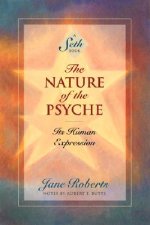
Nature of the Psyche
402 Kč -
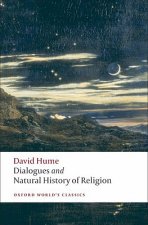
Dialogues Concerning Natural Religion, and The Natural History of Religion
178 Kč -
Dialogues Concerning Natural Religion
255 Kč -
And Man Creates God
334 Kč -
Varieties of Scientific Experience
407 Kč -
There Is a God
288 Kč -

Tibetan Thangka Painting
649 Kč -

Crone
333 Kč -
Scriptural Commentaries of Yogiraj Sri Sri Shyama Charan Lahiri Mahasaya
380 Kč -
Grimoire of Magick
590 Kč -

The Psychology of Selling
359 Kč -
Illustrated Picatrix: the Complete Occult Classic of Astrological Magic
1475 Kč -

As a Man Thinketh
134 Kč -

Early History of God
675 Kč -

Language of God
226 Kč
Osobní odběr Praha, Brno a 46010 dalších
Copyright ©2008-26 nejlevnejsi-knihy.cz Všechna práva vyhrazenaSoukromíCookies

 Vrácení do měsíce
 571 999 099 (8-15.30h)