Kód: 04531539
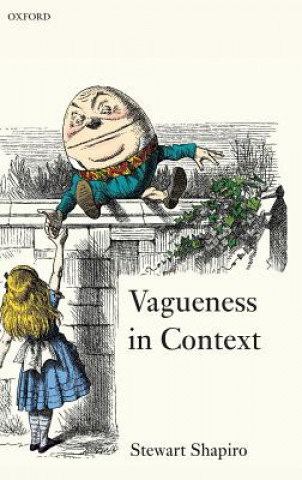
Vagueness in Context
Autor Stewart (Ohio State University and University of St Andrews) Shapiro
Stewart Shapiro's aim in Vagueness in Context is to develop both a philosophical and a formal, model-theoretic account of the meaning, function, and logic of vague terms in an idealized version of a natural language like English. ... celý popis


- Jazyk:
 Angličtina
 - Vazba: Pevná
- Počet stran: 242
Nakladatelství: Oxford University Press, 2006
- Více informací o knize


Mohlo by se vám také líbit
-

Tylko Prawda. Moje życie u boku Benedykta XVI
330 Kč -

Oxford Handbook of Comparative Constitutional Law
8158 Kč -

Pierwsza pomoc wyd. 2023
163 Kč -

The Wild World of a Zoo Vet
723 Kč -

DAS GEBURTSTAG WORTSUCHRÄTSEL BUCH
106 Kč -

Antología Internacional de Aforismos: Cuponeta Ediciones
176 Kč -

There Goes Ted Williams
286 Kč -

Self-Suggestion: and the New Huna Theory of Mesmerism and Hypnosis
174 Kč -

LES VISAGES DE BLOIS
896 Kč -

When She Disappeared
347 Kč -

Inspirational Thoughts
744 Kč -

Document Forms for Official Orders of Appointment in the Mughal Empire
2029 Kč -

God Child
446 Kč -

Daddy Can Make a Difference
382 Kč
Dárkový poukaz: Radost zaručena
- Darujte poukaz v libovolné hodnotě a my se postaráme o zbytek.
- Poukaz se vztahuje na celou naši nabídku.
- Elektronický poukaz vytisknete z e-mailu a můžete ihned darovat.
- Platnost poukazu je 12 měsíců od data vystavení.
Více informací o knize Vagueness in Context
Nákupem získáte 308 bodů
 Anotace knihy
Stewart Shapiro's aim in Vagueness in Context is to develop both a philosophical and a formal, model-theoretic account of the meaning, function, and logic of vague terms in an idealized version of a natural language like English. It is a commonplace that the extensions of vague terms vary with such contextual factors as the comparison class and paradigm cases. A person can be tall with respect to male accountants and not tall (even short) with respect to professional basketball players. The main feature of Shapiro's account is that the extensions (and anti-extensions) of vague terms also vary in the course of a conversation, even after the external contextual features, such as the comparison class, are fixed. A central thesis is that in some cases, a competent speaker of the language can go either way in the borderline area of a vague predicate without sinning against the meaning of the words and the non-linguistic facts. Shapiro calls this open texture, borrowing the term from Friedrich Waismann. The formal model theory has a similar structure to the supervaluationist approach, employing the notion of a sharpening of a base interpretation. In line with the philosophical account, however, the notion of super-truth does not play a central role in the development of validity. The ultimate goal of the technical aspects of the work is to delimit a plausible notion of logical consequence, and to explore what happens with the sorites paradox. Later chapters deal with what passes for higher-order vagueness - vagueness in the notions of 'determinacy' and 'borderline' - and with vague singular terms, or objects. In each case, the philosophical picture is developed by extending and modifying the original account. This is followed with modifications to the model theory and the central meta-theorems. As Shapiro sees it, vagueness is a linguistic phenomenon, due to the kinds of languages that humans speak. But vagueness is also due to the world we find ourselves in, as we try to communicate features of it to each other. Vagueness is also due to the kinds of beings we are. There is no need to blame the phenomenon on any one of those aspects.
Parametry knihy
Zařazení knihy Knihy v angličtině Language linguistics Philosophy of language
3082 Kč
- Plný název: Vagueness in Context
- Autor: Stewart (Ohio State University and University of St Andrews) Shapiro
- Jazyk: Angličtina
- Vazba: Pevná
- Počet stran: 242
- EAN: 9780199280391
- ISBN: 0199280398
- ID: 04531539
- Nakladatelství: Oxford University Press
- Hmotnost: 511 g
- Rozměry: 242 × 162 × 19 mm
- Datum vydání: 05. January 2006
Oblíbené z jiného soudku
-

Construction of Social Reality
292 Kč -

Making the Social World
315 Kč -

Trivium
468 Kč -
Practice Makes Perfect English Pronouns and Prepositions, Second Edition
333 Kč -

Semiotics and the Philosophy of Language
527 Kč -

Rosicrucian Manual
302 Kč -
What Kind of Creatures Are We?
287 Kč -

Adam's Tongue
371 Kč -

The Natural History of the Sign
392 Kč -
Reference
1349 Kč -

Language Instinct
326 Kč -

How Language Works
292 Kč -

Image Music Text
259 Kč -

Infancy and History
299 Kč -
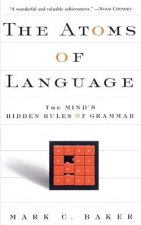
Atoms Of Language
334 Kč -

Introduction to Cognitive Linguistics
1685 Kč -

Naming and Necessity
638 Kč -
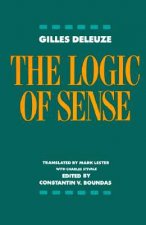
Logic of Sense
442 Kč -

Making It Explicit
1255 Kč -

Handbook of Semiotics
1323 Kč -
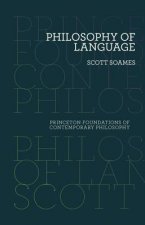
Philosophy of Language
650 Kč -

Inquiry into Modes of Existence
539 Kč -

Language Animal
1027 Kč -

When the Word Becomes Flesh
312 Kč -

Critical Introduction to the Philosophy of Language
1362 Kč -

Philosophy of Language
1362 Kč -

Rhetoric of Motives
772 Kč -

Language and Reality
622 Kč -

LOT 2
971 Kč -

Documentality
1092 Kč -

Soul and Form
892 Kč -
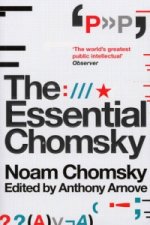
Essential Chomsky
445 Kč -

Practice Makes Perfect English Articles and Determiners Up Close
275 Kč -
Philosophy of Language
1036 Kč -

More than Cool Reason
740 Kč -

Language Hoax
303 Kč -

Lectures on Rhetoric & Belles Lettres
321 Kč -
Authority of Law
1579 Kč -

Scandal of the Speaking Body
402 Kč -

Literary Mind
565 Kč -

Speaking from Elsewhere
835 Kč -

Practice Makes Perfect English Verb Tenses Up Close
410 Kč -

Latin
700 Kč -

Language, Proof, and Logic
2425 Kč -
Metaphor
907 Kč -

How to Do Things with Words
1324 Kč -
Signs
750 Kč -

Being Realistic about Reasons
705 Kč -

Introduction to the Philosophy of Language
1121 Kč
Osobní odběr Praha, Brno a 46029 dalších
Copyright ©2008-26 nejlevnejsi-knihy.cz Všechna práva vyhrazenaSoukromíCookies

 Vrácení do měsíce
 571 999 099 (8-15.30h)