
Kód: 13659285
Structures of Practical Knowledge
Autor Matteo Valleriani
The result of a three-year long working group based at the Max Planck Institute for the History of Science in Berlin, The Structures of Practical Knowledge investigates the nature of practical knowledge - why, how, when and by who ... celý popis


- Jazyk:
 Angličtina
 - Vazba: Pevná
- Počet stran: 491
Nakladatelství: Springer International Publishing AG, 2017
- Více informací o knize


Mohlo by se vám také líbit
-

Destination Dancefloor: A Global Atlas of Dance Music and Club Culture from London to Tokyo, Chicago to
618 Kč -

Uric Acid Handbook
340 Kč -

Michael Mann : horizon bleu
1143 Kč -

Up the Trail
608 Kč -

Biogeography of Australasia
2491 Kč -

Sufismo = Sufism
502 Kč -

Jurassic Jack and The Search For a Scary Thing
166 Kč -

Holy Hand Grenade
445 Kč -

La Qualité Hydro-pédologique Du Lac Oubeira (Park National Elkala)
1135 Kč -

Rhythm of the Father's Heart
262 Kč -

Women in Historical and Archaeological Video Games
2164 Kč -

Dictionary of Literary Biography
12236 Kč -

Scientific Hangman: Framework to Gamify Scientific Evidence for Public
1257 Kč -

Rhythms of Remembering
377 Kč
Dárkový poukaz: Radost zaručena
- Darujte poukaz v libovolné hodnotě a my se postaráme o zbytek.
- Poukaz se vztahuje na celou naši nabídku.
- Elektronický poukaz vytisknete z e-mailu a můžete ihned darovat.
- Platnost poukazu je 12 měsíců od data vystavení.
Více informací o knize Structures of Practical Knowledge
Nákupem získáte 471 bodů
 Anotace knihy
The result of a three-year long working group based at the Max Planck Institute for the History of Science in Berlin, The Structures of Practical Knowledge investigates the nature of practical knowledge - why, how, when and by whom it is codified, and once codified, how this knowledge is structured. The inquiry unfolds in a series of fifteen case studies, which range in focus from early modern Italy to eighteenth century China. At the heart of each study is a shared definition of practical knowledge, that is, knowledge needed to obtain a certain outcome, whether that be an artistic or mechanical artifact, a healing practice, or a mathematical result. While the content of practical knowledge is widely variable, this study shows that all practical knowledge is formally equivalent in following a defined workflow, as reflected in a construction procedure, a recipe, or an algorithm.§§As explored in the volume's fifteen contributions, there are three levels at which structures of practical knowledge may be understood and examined. At the most immediate level, there are the individual workflows that encompasses practical knowledge itself. Probing further, it is possible to examine the structure of practical knowledge as it is externalized and codified in texts, drawings, and artifacts such as models. Finally, practical knowledge is also related to social structures, which fundamentally determine its dissemination and evolution into new knowledge structures. The social structures of professionals and institutions represent the critical means by which practical knowledge takes form. These actors are the agents of codification, and by means of selection, appropriation, investment, and knowledge development, they determine the formation of new structures of practical knowledge. On a more abstract level, the creation of new knowledge structures is understood as constituting the basis for the further development of scientific knowledge.§§Rich in subject matter and incisive in the theory it lays out, this volume represents an important contribution to the history of science and epistemology. Individually, the fifteen case studies - encompassing the history of architecture, mining, brewing, glass production, printing, ballistics, mechanics, cartography, cosmology and astronomy - are replete with original research, and offer new insights into the history of science. Taken together, the contributions remodel historical epistemology as a whole, elucidating the underlining knowledge structures that transcend disciplinary boundaries, and that unite practitioners across time and space.§§
Parametry knihy
Zařazení knihy Knihy v angličtině Humanities Philosophy Philosophy: epistemology & theory of knowledge
4707 Kč
- Plný název: Structures of Practical Knowledge
- Autor: Matteo Valleriani
- Jazyk: Angličtina
- Vazba: Pevná
- Počet stran: 491
- EAN: 9783319456706
- ISBN: 3319456709
- ID: 13659285
- Nakladatelství: Springer International Publishing AG
- Hmotnost: 1212 g
- Rozměry: 254 × 178 × 25 mm
- Datum vydání: 27. February 2017
Oblíbené z jiného soudku
-

Trade Like a Stock Market Wizard
521 Kč -

Fabric of Reality
292 Kč -

Hamlet's Mill
542 Kč -

Short History of Decay
251 Kč -

Ego Tunnel
532 Kč -

Outer Limits of Reason
581 Kč -
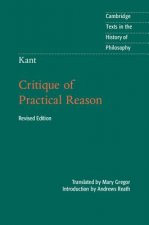
Kant: Critique of Practical Reason
525 Kč -

Against Method
447 Kč -
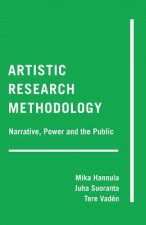
Artistic Research Methodology
1012 Kč -

Tacit Dimension
565 Kč -

Truth and Method
988 Kč -

Pearson Baccalaureate Theory of Knowledge second edition print and ebook bundle for the IB Diploma
1332 Kč -

John Locke: An Essay concerning Human Understanding
2355 Kč -

Soul of the Marionette
260 Kč -

Last Word
836 Kč -

Reformed Epistemology
372 Kč -

Truth and the Past
690 Kč -
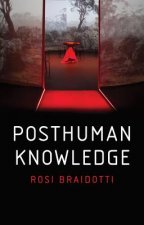
Posthuman Knowledge
420 Kč -

Introduction to Objectivist Epistemology
487 Kč -

Individuation in Light of Notions of Form and Information
639 Kč -

Logic of Liberty
264 Kč -

Beyond Good and Evil
209 Kč -

Ecstasy of Communication
272 Kč -
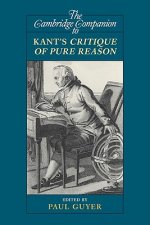
Cambridge Companion to Kant's Critique of Pure Reason
1002 Kč -

What Does It All Mean?
1076 Kč -

What Does It All Mean?
827 Kč -

Knowledge: A Very Short Introduction
225 Kč -

Manual for Creating Atheists
281 Kč -
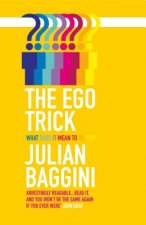
Ego Trick
226 Kč -

Self and Other
817 Kč -

Objectivity
931 Kč -

Thus Spoke Zarathustra
430 Kč -

Introduction to the Theory of Knowledge
1164 Kč -

Against Epistemology - A Metacritique
509 Kč -

Intuition of the Instant
485 Kč -

Opacity of Mind
468 Kč -

Transcendence of the Ego
586 Kč -

On Complexity
605 Kč -

Origins of Knowledge and Imagination
437 Kč -
Pursuit of Truth
966 Kč -

Objectivity: A Very Short Introduction
225 Kč -

Inquiring Mind
907 Kč -

Kant and the Capacity to Judge
1845 Kč -

What is Epistemology?
451 Kč -

Internarrative Identity
1190 Kč -

Being Wrong
248 Kč -

Hermeneutics: A Very Short Introduction
225 Kč -

Transformative Experience
756 Kč -
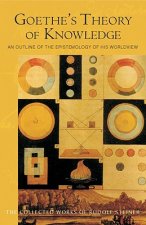
Goethe's Theory of Knowledge
335 Kč
Osobní odběr Praha, Brno a 46633 dalších
Copyright ©2008-26 nejlevnejsi-knihy.cz Všechna práva vyhrazenaSoukromíCookies

 Vrácení do měsíce
 571 999 099 (8-15.30h)