Kód: 01971117
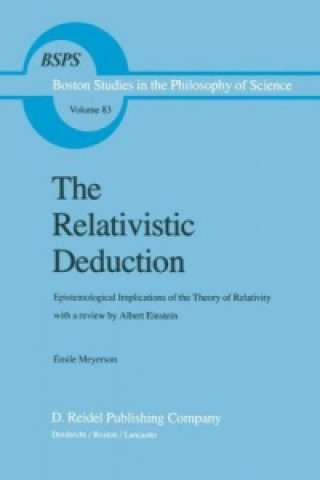
Relativistic Deduction
Autor Émile Meyerson, David A. Sipfle, Mary-Alice Sipfle
When the author of Identity and Reality accepted Langevin's suggestion that Meyerson "identify the thought processes" of Einstein's relativity theory, he turned from his assured perspective as historian of the sciences to the risk ... celý popis


- Jazyk:
 Angličtina
 - Vazba: Pevná
- Počet stran: 290
Nakladatelství: Springer
- Více informací o knize

2201 Kč
Dostupnost:
50 % šance Máme informaci, že by titul mohl být dostupný. Na základě vaší objednávky se ho pokusíme do 6 týdnů zajistit.
Prohledáme celý svět
Mohlo by se vám také líbit
-

The Typewriter
330 Kč -

Robbers. a Tragedy. Translated from the German of Frederick Schiller. the Third Edition, Corrected and Improved
619 Kč -

Recipe Book
242 Kč -

The Red Well-Read Reader (Color, Paperback): A Reader, Speller &, Vocabulary Builder
1477 Kč -

Electric Pressure Cooker Recipes
237 Kč -

Kate M. Cleary
443 Kč -

Sadistic Sherlock
320 Kč -

Les Transformations Du Droit, Etude Sociologique. 2e Edition
467 Kč -

Die Augenheilkunde des Aëtius aus Amida
401 Kč -

Potential Theory: Copenhagen 1979
925 Kč -

Creoles of South Louisiana: Three Centuries Strong
607 Kč -

Letters from Rome on the Occasion of the Cumenical Council, 1869-1870, Volume 1
903 Kč -

Sugarcoated
263 Kč -

Amazing Life of Ormond McGill
919 Kč
Dárkový poukaz: Radost zaručena
- Darujte poukaz v libovolné hodnotě a my se postaráme o zbytek.
- Poukaz se vztahuje na celou naši nabídku.
- Elektronický poukaz vytisknete z e-mailu a můžete ihned darovat.
- Platnost poukazu je 12 měsíců od data vystavení.
Informovat o naskladnění knihy
Zadejte do formuláře e-mailovou adresu a jakmile knihu naskladníme, zašleme vám o tom zprávu. Pohlídáme vše za vás.
Více informací o knize Relativistic Deduction
Nákupem získáte 220 bodů
 Anotace knihy
When the author of Identity and Reality accepted Langevin's suggestion that Meyerson "identify the thought processes" of Einstein's relativity theory, he turned from his assured perspective as historian of the sciences to the risky bias of contemporary philosophical critic. But Emile Meyerson, the epis temologist as historian, could not find a more rigorous test of his conclusions from historical learning than the interpretation of Einstein's work, unless perhaps he were to turn from the classical revolution of Einstein's relativity to the non-classical quantum theory. Meyerson captures our sympathy in all his writings: " . . . the role of the epistemologist is . . . in following the development of science" (250); the study of the evolution of reason leads us to see that "man does not experience himself reasoning . . . which is carried on unconsciously," and as the summation of his empirical studies of the works and practices of scientists, "reason . . . behaves in an altogether predict able way: . . . first by making the consequent equivalent to the antecedent, and then by actually denying all diversity in space" (202). If logic - and to Meyerson the epistemologist is logician - is to understand reason, then "logic proceeds a posteriori. " And so we are faced with an empirically based Par menides, and, as we shall see, with an ineliminable 'irrational' within science. Meyerson's story, written in 1924, is still exciting, 60 years later.
Parametry knihy
Zařazení knihy Knihy v angličtině Mathematics & science Science: general issues Philosophy of science
2201 Kč
- Plný název: Relativistic Deduction
- Podnázev: Epistemological Implications of the Theory of Relativity With a Review by Albert Einstein and an Introduction by Mili? ?apek
- Autor: Émile Meyerson, David A. Sipfle, Mary-Alice Sipfle
- Jazyk: Angličtina
- Vazba: Pevná
- Počet stran: 290
- EAN: 9789027716996
- ISBN: 9027716994
- ID: 01971117
- Nakladatelství: Springer
- Hmotnost: 630 g
- Rozměry: 223 × 153 × 25 mm
Oblíbené z jiného soudku
-
Principia: The Authoritative Translation and Guide
797 Kč -

Life 3.0
276 Kč -
Structure of Scientific Revolutions
415 Kč -
Logic of Scientific Discovery
399 Kč -

What is Life?
350 Kč -

Physics and Philosophy
293 Kč -
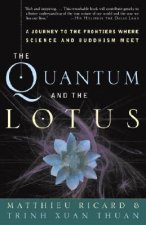
Quantum and the Lotus
319 Kč -
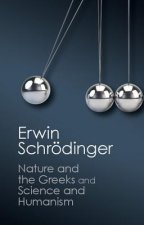
'Nature and the Greeks' and 'Science and Humanism'
350 Kč -

BAD SCIENCE
327 Kč -

Order Out of Chaos
538 Kč -

What Makes Biology Unique?
1061 Kč -

Dialectic of Duration
1116 Kč -

Two Cultures
350 Kč -
Understanding Philosophy of Science
1390 Kč -

Arts of Living on a Damaged Planet
458 Kč -

On the Mode of Existence of Technical Objects
572 Kč -

Meeting the Universe Halfway
762 Kč -

Social Physics
519 Kč -
Philosophy of Physics
587 Kč -

Anti-Gravity and the World Grid
256 Kč -

Another Science is Possible - Manifesto for a Slow Science
528 Kč -

Modern Cosmology
2240 Kč -
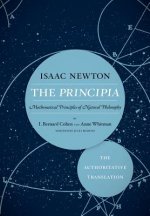
Principia: The Authoritative Translation
420 Kč -
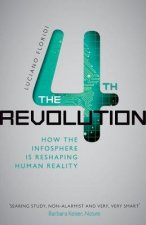
Fourth Revolution
339 Kč -
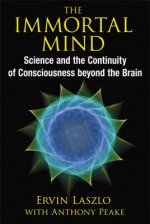
Immortal Mind
287 Kč -

Wholeness of Nature
445 Kč -

Quark And The Jaguar
431 Kč -
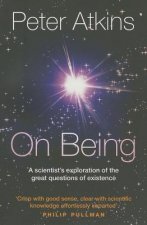
On Being
276 Kč -
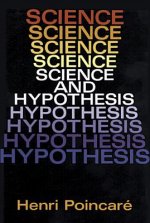
Science and Hypothesis
287 Kč -
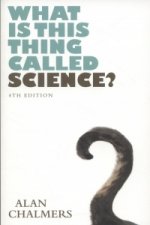
What is This Thing Called Science?
980 Kč -

Politics of Nature
1042 Kč -

Value of Science
504 Kč -

Life is a Miracle
281 Kč -
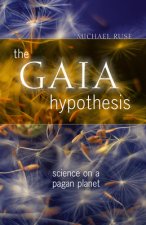
Gaia Hypothesis
714 Kč -

What Science Knows
459 Kč -

Thinking through Technology
828 Kč -
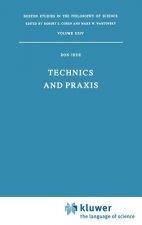
Technics and Praxis
2521 Kč -
Theory of Scientific Method
697 Kč -

Enlightenment Now
358 Kč -

Logic of Scientific Discovery
674 Kč -

Artificial Intelligence: A Very Short Introduction
236 Kč -
Causality
1775 Kč -
Philosophy of Science: Very Short Introduction
236 Kč -

Everything You Know Is Wrong, Book 1
334 Kč -

Oxford Handbook of the History of Physics
1447 Kč -

Mind of God
293 Kč -

Why People Believe Weird Things
362 Kč -

Human Entrance to Transhumanism
342 Kč -

Paleontology
813 Kč
Osobní odběr Praha, Brno a 46611 dalších
Copyright ©2008-26 nejlevnejsi-knihy.cz Všechna práva vyhrazenaSoukromíCookies

 Vrácení do měsíce
 571 999 099 (8-15.30h)