
Kód: 04546824
Science Incarnate
Autor Christopher Lawrence, Steven Shapin
Since antiquity, "disembodied knowledge" has often been taken as synonomous with "objective truth". Yet we also have very specific mental images of the kinds of bodies that house great minds - the ascetic philosopher versus the he ... celý popis


- Jazyk:
 Angličtina
 - Vazba: Pevná
- Počet stran: 352
Nakladatelství: University of Chicago Press, 1998
- Více informací o knize


Mohlo by se vám také líbit
-

Coloriages Mystères Disney Portraits
435 Kč -

Atlas ilustrado de la historia de España
478 Kč -

Complete Chess Workout
524 Kč -

Opportunities Global Upper-Intermediate CD-ROM New Edition
407 Kč -

Last Blood on Pomerania
478 Kč -

STREAMLINE ENGLISH DEPARTURES: EXERCICES B
292 Kč -

F-4 Phantom Crew Chief
1556 Kč -

Investigacion entre la cooperacion local y la internacionalizacion
590 Kč -

Anna Halprin
1158 Kč -

Jacques Prevert
369 Kč -

Linguistic Perspectives on Language and Education
2836 Kč -

Quantitative Paleozoology
1316 Kč -

Comercialización territorial en la región de Drâa-Tafilalet (Marruecos)
813 Kč -

TURMOIL ON DeLANCEY STREET: Where Good And Evil Collide
263 Kč -
Principes des soins intensifs, de l'UCC, de l'USI et de la dialyse (Livre 3)
1378 Kč -

The Cement Industry: Descriptions of Portland and Natural Cement Plants in the United States and Europe
772 Kč -

Kredkami do Nieba. Zajęcia plastyczne inspirowane niedzielną Ewangelią. Rok C
251 Kč -

Lectures and Essays
1277 Kč -

Le Japon de Nicolas Bouvier
1212 Kč -

Sketches of the Nineteenth Century
1352 Kč -

Making Toronto Modern
1478 Kč -

Unter den Tropen
648 Kč -

DAS BUCH VOM BAUEN 1930
649 Kč -

Protetyka stomatologiczna dla techników dentystycznych
964 Kč -

La Liberte Religieuse (Troisieme Edition)
643 Kč -

Rugs, Guitars, and Fiddling
2923 Kč -

Joseph Howe
990 Kč -

Law as Punishment / Law as Regulation
2046 Kč -

Taking a Long Road Home
458 Kč -

Leading for Equality
2238 Kč -

After the Coup
713 Kč -

A Scalable FPGA-Based Network Processor for Scientific Computing
1135 Kč -

Girl from Ermita
238 Kč -

After Emmaus
391 Kč -

From Tax Populism to Ethnic Nationalism
3427 Kč
Dárkový poukaz: Radost zaručena
- Darujte poukaz v libovolné hodnotě a my se postaráme o zbytek.
- Poukaz se vztahuje na celou naši nabídku.
- Elektronický poukaz vytisknete z e-mailu a můžete ihned darovat.
- Platnost poukazu je 12 měsíců od data vystavení.
Informovat o naskladnění knihy
Zadejte do formuláře e-mailovou adresu a jakmile knihu naskladníme, zašleme vám o tom zprávu. Pohlídáme vše za vás.
Více informací o knize Science Incarnate
Nákupem získáte 270 bodů
 Anotace knihy
Since antiquity, "disembodied knowledge" has often been taken as synonomous with "objective truth". Yet we also have very specific mental images of the kinds of bodies that house great minds - the ascetic philosopher versus the hearty surgeon, for example. Does truth have anything to do with the belly? What difference does it make to the persuit of knowledge whether Einstein rode a bicycle, Russell was randy, or Darwin was flatulent? Bringing together body and knowledge, this text offers historical answers to such skeptical questions about the relationships between body, mind and knowledge. Focusing on the 17th century to the present, the book explores how intellectuals sought to establish the value and authority of their ideas through public displays of their private ways of life. Patterns of eating, sleeping, exercising, being ill and having or avoiding sex, as well as the marks of gender and bodily form, were proof of the presence or absence of intellectual virtue, integrity, skill and authority. Intellectuals examined in detail include Rene Descartes, Isaac Newton, Charles Darwin and Ada Lovelace. The book addresses issues central to modern discussions about the nature of knowledge and how it is produced and incorporates history, philosophy, sociology and anthropology.
Parametry knihy
Zařazení knihy Knihy v angličtině Society & social sciences Society & culture: general Cultural studies
2695 Kč
- Plný název: Science Incarnate
- Podnázev: Historical Embodiments of Natural Knowledge
- Autor: Christopher Lawrence, Steven Shapin
- Jazyk: Angličtina
- Vazba: Pevná
- Počet stran: 352
- EAN: 9780226470122
- ID: 04546824
- Nakladatelství: University of Chicago Press
- Hmotnost: 660 g
- Rozměry: 235 × 156 × 24 mm
- Datum vydání: 16. March 1998
Oblíbené z jiného soudku
-

All About Love
274 Kč -

Sapiens
275 Kč -
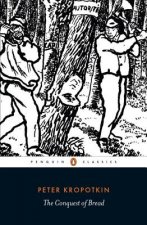
The Conquest of Bread
248 Kč -

Ghosts of My Life
362 Kč -

Pihkal
568 Kč -

Tihkal
537 Kč -
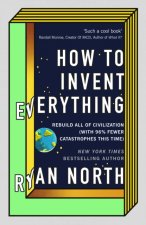
How to Invent Everything
522 Kč -
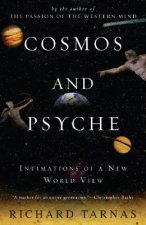
Cosmos and Psyche
365 Kč -

Medieval Costume and How to Recreate it
256 Kč -

Origin of the Family, Private Property and the State
303 Kč -

Liquid Modernity
469 Kč -
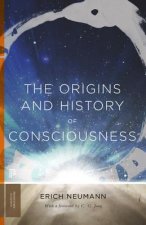
Origins and History of Consciousness
458 Kč -

Ways of Curating
248 Kč -

Kimono Design
692 Kč -

Cultural Studies
1053 Kč -
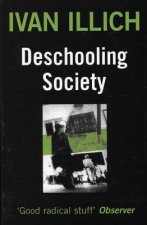
Deschooling Society
412 Kč -

Omnivore's Dilemma
394 Kč -

Communion
248 Kč -

Pimpology
303 Kč -
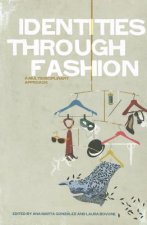
Identities Through Fashion
1271 Kč -

Satanic Panic
608 Kč -

Portable Hannah Arendt
379 Kč -

Techniques of the Observer
927 Kč -

YouTube - Online Video and Participatory Culture
451 Kč -
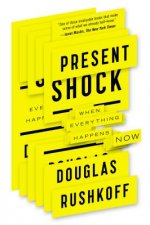
Present Shock
318 Kč -

Wake the Town and Tell the People
875 Kč -

Pessimism
1121 Kč -

Oranges
243 Kč -

Paradoxia
361 Kč -

Umami
955 Kč -

Wabi-Sabi for Artists, Designers, Poets & Philosophers
334 Kč -

Studio 54
1557 Kč -

Japanese Tattoos
302 Kč -
The Chalice and the Blade
319 Kč -

Notes on Camp
95 Kč -

Berserk: With Darkness Ink
489 Kč -

Gilmore Girls: Stars Hollow Light-Up Sign
342 Kč -

Art of Memory
456 Kč -

Egregores
288 Kč -

Money
144 Kč -

Telling Lies
302 Kč -

Why We Love Dogs, Eat Pigs and Wear Cows
337 Kč -

Posthuman
420 Kč -

Energy Flash
479 Kč -

Esoteric Hollywood:: Sex, Cults and Symbols in Film
334 Kč -

Danse Macabre
319 Kč -

Speed and Politics
272 Kč -

Balenciaga
695 Kč -

Costume Making Guide
563 Kč
Osobní odběr Praha, Brno a 48052 dalších
Copyright ©2008-26 nejlevnejsi-knihy.cz Všechna práva vyhrazenaSoukromíCookies

 Vrácení do měsíce
 571 999 099 (8-15.30h)