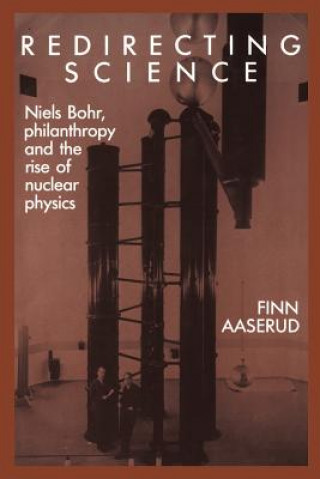
Kód: 02034015
Redirecting Science
Autor Finn Aaserud
An important study for understanding the complex interconnections between basic science and its sources of economic support in the period between the two world wars. The focus of the study is on the Institute for Theoretical Physi ... celý popis


- Jazyk:
 Angličtina
 - Vazba: Brožovaná
- Počet stran: 372
Nakladatelství: Cambridge University Press, 2003
- Více informací o knize


Mohlo by se vám také líbit
-

Subtle Angels: AUSTIN Starr 1
651 Kč -

One Day In My Life
276 Kč -

Dead Dead Demon's Dededede Destruction, Vol. 2
248 Kč -

Seven Little Sons of the Dragon: A Collection of Seven Stories
257 Kč -

Ready for school: maths Sticker Book Ages 4-5
134 Kč -

She Professed Herself Pupil of the Wise Man (Light Novel) Vol. 5
278 Kč -
Sociology
1934 Kč -
Porno-Graphics and Porno-Tactics: Desire, Affect and Representation in Pornography
465 Kč -

Best Laid Plans
300 Kč -

Clinical Handbook for Kozier & Erb's Fundamentals of Nursing
1542 Kč -

Christianity and Genocide in Rwanda
1041 Kč -

Ruckforderung schwiegerelterlicher Zuwendungen
2108 Kč -

Ständig müde und erschöpft - Neue Kraft durch Lebensfreude und Gelassenheit
430 Kč -

Erfinder und Patente in volkswirtschaftlicher und sozialer Beziehung.
305 Kč -

Argument of Charles P. Shaw, Esq., Before the Judiciary Committee of the House of Representatives, Forty-First Congress: In the Matter of the Applicat
421 Kč -

Das Homöopathische Aehnlichkeitsgesetz: Offenes Sendschreiben an Herrn. Prof. Dr. Justus Freiherrn Von Liebig
445 Kč -

Palmenor Ou La Magie Naturelle, Histoire Orientale. Tome 1
423 Kč -

Inaccessible
266 Kč -

Heritage and Peacebuilding
2999 Kč -

John G. Paton: Later Years and Farewell: a Sequel to John G. Paton, an Autobiography
554 Kč -

Matematyka. Zbiór zadań konkursowych dla klas 7-8 szkoły podstawowej. Wersja 4
205 Kč -
Roman Van Heinric En Margriete Van Limborch, Part 1, Book 1-6 (1846)
858 Kč -

Pain in Children
2303 Kč -

How To Watercolor: Your Step-By-Step Guide To Watercoloring
444 Kč -

You're Not the Boss of Me
373 Kč -

Life without Parole
1017 Kč -

Crisis, Revolution, and Russian Jews
1980 Kč -

Forbidden Love for an American Indian
564 Kč -

Remasculation Film
7272 Kč -

British Immigration to the United States, 1776-1914, Volume 2
5651 Kč -

The Potion Peddler's Almanac: A Literary Anthology
196 Kč -

Grandma's A Snowbird
279 Kč -

Electrochemical Impedance Spectroscopy in PEM Fuel Cells
5449 Kč -

El Poder del Fuego: Encendiendo una Pasión Genuina por Cristo
304 Kč -
Material and Energy Recovery from Solid Waste for a Circular Economy
5651 Kč
Dárkový poukaz: Radost zaručena
- Darujte poukaz v libovolné hodnotě a my se postaráme o zbytek.
- Poukaz se vztahuje na celou naši nabídku.
- Elektronický poukaz vytisknete z e-mailu a můžete ihned darovat.
- Platnost poukazu je 12 měsíců od data vystavení.
Více informací o knize Redirecting Science
Nákupem získáte 125 bodů
 Anotace knihy
An important study for understanding the complex interconnections between basic science and its sources of economic support in the period between the two world wars. The focus of the study is on the Institute for Theoretical Physics (later renamed the Niels Bohr Institute) at Copenhagen University, and the role of its director, the eminent Danish physicist Niels Bohr, in the funding and administration of the Institute. Under Bohr's direction, the Copenhagen Institute was a central workplace in the development and formulation of quantum mechanics in the 1920s and later became an important centre for nuclear research in the 1930s. In his book, Dr Aaserud brings together the scholarship on the internal origins and development of nuclear physics in the 1930s with descriptions of the concurrent changes in private support for international basic science, particularly as represented by Rockefeller Foundation philanthropy. In the process, the book places the emergence of nuclear physics in a larger historical context.
Parametry knihy
Zařazení knihy Knihy v angličtině Mathematics & science Science: general issues History of science
1247 Kč
- Plný název: Redirecting Science
- Podnázev: Niels Bohr, Philanthropy, and the Rise of Nuclear Physics
- Autor: Finn Aaserud
- Jazyk: Angličtina
- Vazba: Brožovaná
- Počet stran: 372
- EAN: 9780521530675
- ISBN: 0521530679
- ID: 02034015
- Nakladatelství: Cambridge University Press
- Hmotnost: 564 g
- Rozměry: 152 × 230 × 28 mm
- Datum vydání: 30. January 2003
Oblíbené z jiného soudku
-
Physics
225 Kč -
Quadrivium
428 Kč -

On Growth and Form
428 Kč -

Disappearing Spoon...and other true tales from the Periodic Table
270 Kč -

Complexity
810 Kč -
Lost in Math
309 Kč -

de Re Metallica
551 Kč -

Thirteen Books of the Elements, Vol. 3
574 Kč -

Anatomy of Melancholy
554 Kč -

Almagest
424 Kč -

Looking for Spinoza
318 Kč -

Astronomia Nova
800 Kč -

Galileo Goes to Jail and Other Myths about Science and Religion
651 Kč -

Marie Curie
470 Kč -

Wise Mind of Emperor Haile Sellassie I
225 Kč -
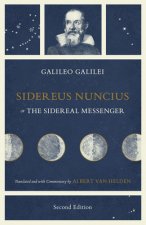
Sidereus Nuncius, or The Sidereal Messenger
586 Kč -

Encyclopedia of the History of Astronomy and Astrophysics
1624 Kč -

QED and the Men Who Made It
2278 Kč -

Heavenly Clockwork
1270 Kč -

The Voyage of the Beagle
667 Kč -

Galileo Affair
930 Kč -

Stratonauts
878 Kč -

Controversy on the Comets of 1618
2895 Kč -

Orgone Accumulator Handbook
641 Kč -

Poison
489 Kč -

Quantum
292 Kč -
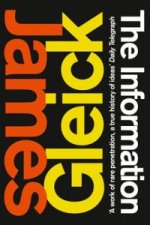
Information
335 Kč -

1001 Inventions
490 Kč -
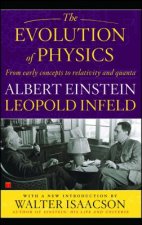
Evolution of Physics
334 Kč -

Spectroscope and Gemmology
801 Kč -
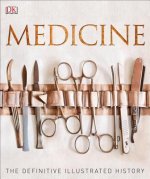
Medicine
631 Kč -

Greek Astronomy
274 Kč -
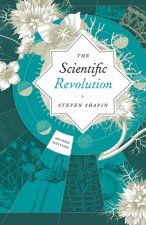
Scientific Revolution
595 Kč -

House of Wisdom
319 Kč -

Leonardo da Vinci's Codex Leicester: A New Edition
707 Kč -

Phenomenon of Man
319 Kč -

God's Philosophers
262 Kč -

Origin Story
169 Kč -

Ascent Of Man
358 Kč -

Man Who Changed Everything
272 Kč -
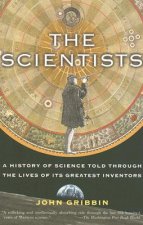
The Scientists
335 Kč -

New Answers, Book 4
308 Kč -

Beginnings of Western Science
737 Kč -

Concise History of Mathematics
324 Kč -
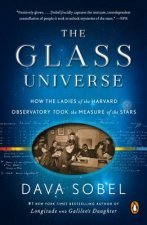
Glass Universe
342 Kč -

Lost Art of Finding Our Way
573 Kč -
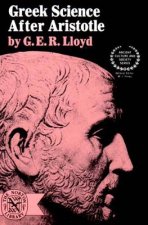
Greek Science After Aristotle
385 Kč -

Invention of Science
445 Kč -
New Science of Geology
6089 Kč
Osobní odběr Praha, Brno a 47943 dalších
Copyright ©2008-26 nejlevnejsi-knihy.cz Všechna práva vyhrazenaSoukromíCookies

 Vrácení do měsíce
 571 999 099 (8-15.30h)