Kód: 04940870
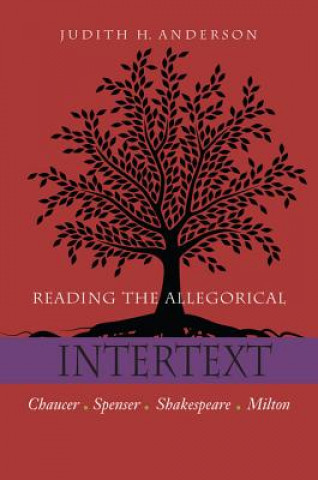
Reading the Allegorical Intertext
Autor Judith H. Anderson
Judith H. Anderson conceives the intertext as a relation between or among texts that encompasses both Kristevan intertextuality and traditional relationships of influence, imitation, allusion, and citation. Like the Internet, the ... celý popis


- Jazyk:
 Angličtina
 - Vazba: Pevná
- Počet stran: 452
Nakladatelství: Fordham University Press, 2008
- Více informací o knize


Mohlo by se vám také líbit
-
Catechism of the Catholic Church, Revised
552 Kč -

100 Runs of a Lifetime
629 Kč -

Beetle
178 Kč -

Die schlimmste Klasse der Welt (Band 1)
309 Kč -

On Playing the Flute
517 Kč -

The Place of Tides
276 Kč -
Znak, sebevědomí a čas.
150 Kč -

Lonely Planet Istanbul
641 Kč -
Think Java
801 Kč -

Oxford Reading Tree: Level 8: More Stories: What Was It Like?
290 Kč -

Karibu. 5-Minuten-Training: Diktate / Abschreibtexte zum Grundwortschatz- Ausgabe 2024
150 Kč -

LETS DO IT
358 Kč -

Complete Preliminary for Schools Student's Book without Answers with Online Workbook
639 Kč -

761st Black Panther Tank Battalion in World War II
984 Kč -

1984
835 Kč -

Fragenbär, Vorschule - Zahlenspiele und erstes Rechnen
156 Kč -

Vielleicht nie (Vielleicht-Trilogie, Band 2)
349 Kč -

Wenn die Chemie stimmt im Supervisionsprozess - Auf den Spuren eines Phanomens
975 Kč -
Les cousins Karlsson Tome 2 - Sauvages et Wombats
440 Kč -

Spirit Animals
225 Kč -
Beneath the Garden State: Exploring Aquatic New Jersey
532 Kč -
Co-Design for System Acceleration
2646 Kč -
Reading John
375 Kč -

Mussar Haskel: Courage to Change
511 Kč -
Pictures Ten: to a Loving God
142 Kč -

Soigner l'arthrose
851 Kč -

CELEBRACIONES TODO MUNDO
315 Kč -

Évocations, für Violine, Violoncello u. Irische Harfe
355 Kč
Dárkový poukaz: Radost zaručena
- Darujte poukaz v libovolné hodnotě a my se postaráme o zbytek.
- Poukaz se vztahuje na celou naši nabídku.
- Elektronický poukaz vytisknete z e-mailu a můžete ihned darovat.
- Platnost poukazu je 12 měsíců od data vystavení.
Více informací o knize Reading the Allegorical Intertext
Nákupem získáte 280 bodů
 Anotace knihy
Judith H. Anderson conceives the intertext as a relation between or among texts that encompasses both Kristevan intertextuality and traditional relationships of influence, imitation, allusion, and citation. Like the Internet, the intertext is a state, or place, of potential expressed in ways ranging from deliberate emulation to linguistic free play. Relatedly, the intertext is also a convenient fiction that enables examination of individual agency and sociocultural determinism.Anderson's intertext is allegorical because Spenser's "Faerie Queene" is pivotal to her study and because allegory, understood as continued or moving metaphor, encapsulates, even as it magnifies, the process of signification. Her title signals the variousness of an intertext extending from Chaucer through Shakespeare to Milton and the breadth of allegory itself. Literary allegory, in Anderson's view, is at once a mimetic form and a psychic one - a process thinking that combines mind with matter, emblem with narrative, abstraction with history.Anderson's first section focuses on relations between Chaucer's "Canterbury Tales" and Spenser's "The Faerie Queene", including the role of the narrator, the nature of the textual source, the dynamics of influence, and the bearing of allegorical narrative on lyric vision. The second centers on agency and cultural influence in a variety of Spenserian and medieval texts. Allegorical form, a recurrent concern throughout, becomes the pressing issue of section three. This section treats plays and poems of Shakespeare and Milton and includes two intertextually relevant essays on Spenser."How Paradise Lost" or Shakespeare's plays participate in allegorical form is controversial. Spenser's experiments with allegory revise its form, and this intervention is largely what Shakespeare and Milton find in his poetry and develop. Anderson's book, the result of decades of teaching and writing about allegory, especially Spenserian allegory, will reorient thinking about fundamental critical issues and the landmark texts in which they play themselves out.
Parametry knihy
Zařazení knihy Knihy v angličtině Literature & literary studies Literature: history & criticism Literary studies: general
2799 Kč
- Plný název: Reading the Allegorical Intertext
- Podnázev: Chaucer, Spenser, Shakespeare, Milton
- Autor: Judith H. Anderson
- Jazyk: Angličtina
- Vazba: Pevná
- Počet stran: 452
- EAN: 9780823228478
- ISBN: 0823228479
- ID: 04940870
- Nakladatelství: Fordham University Press
- Hmotnost: 747 g
- Rozměry: 229 × 152 × 34 mm
- Datum vydání: 15. May 2008
Oblíbené z jiného soudku
-
How to Read a Book
248 Kč -

Weird and the Eerie
205 Kč -

Moveable Feast
194 Kč -
SEOUL University Korean 1B Workbook (QR), m. 1 Audio
753 Kč -

Essential Writings of Ralph Waldo Emerson
412 Kč -

Simple Passion
169 Kč -
Complete Short Stories of Ambrose Bierce
489 Kč -

Captain is Out to Lunch
334 Kč -
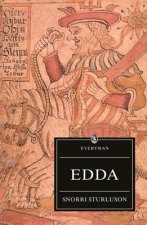
Edda
178 Kč -
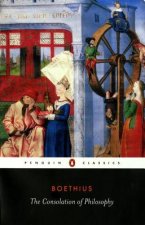
Consolation of Philosophy
248 Kč -

Tenant of Wildfell Hall
189 Kč -
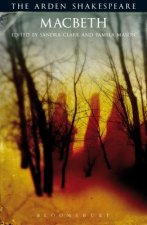
Macbeth
269 Kč -
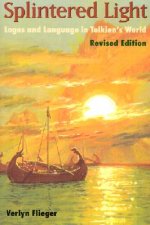
Splintered Light
469 Kč -
Plainwater
319 Kč -
Portrait of the Artist as a Young Man
161 Kč -
SEOUL University Korean 1B Student's Book (QR), m. 1 Audio
1107 Kč -
Analysis of Donna Haraway's A Cyborg Manifesto
196 Kč -

Libertine
2980 Kč -
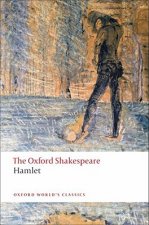
Hamlet: The Oxford Shakespeare
194 Kč -
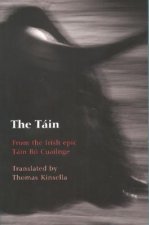
Tain
281 Kč -

Lyrical Ballads
240 Kč -
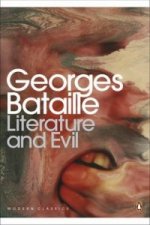
Literature and Evil
248 Kč -
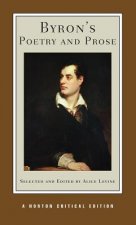
Byron's Poetry and Prose
666 Kč -
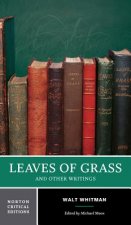
Leaves of Grass
386 Kč -
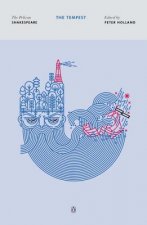
Tempest
209 Kč -

Byron
433 Kč -

Japan and the Culture of the Four Seasons
916 Kč -
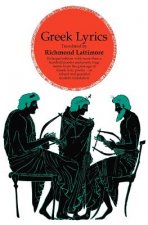
Greek Lyrics
431 Kč -
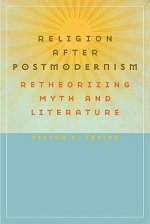
Religion After Postmodernism
695 Kč -
Poetics of Postmodernism
1524 Kč -

Daphne Du Maurier
248 Kč -
Coriolanus
269 Kč -
Postmodernism and the Contemporary Novel
1166 Kč -
Metafiction
1428 Kč -
Art of Rhetoric
94 Kč -
Dubliners
202 Kč -

Zofloya
227 Kč -

Karamazov Brothers
224 Kč -

The Picture of Dorian Gray
149 Kč -
Iliad
107 Kč -
Odyssey
209 Kč -
Two Treatises of Government
178 Kč -

Moby-Dick
620 Kč -
Odyssey (Deckle Edge)
370 Kč -

Saga of Tanya the Evil, Vol. 3
307 Kč -
Persuasion
116 Kč -
Great God Pan and Other Horror Stories
380 Kč -

Room With A View
210 Kč -

Life of Samuel Johnson
422 Kč
Osobní odběr Praha, Brno a 46611 dalších
Copyright ©2008-26 nejlevnejsi-knihy.cz Všechna práva vyhrazenaSoukromíCookies

 Vrácení do měsíce
 571 999 099 (8-15.30h)