Kód: 02008842
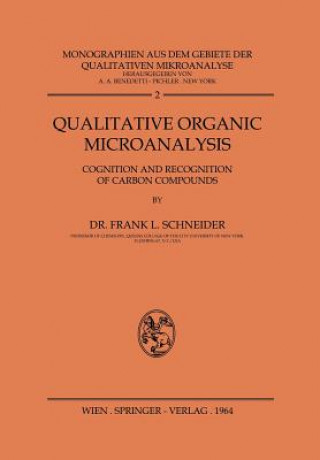
Qualitative Organic Microanalysis
Autor Frank Schneider
The most important task of the analytical chemist, aside from the acquisition of experimental data, is the coordination and interpretation of such data in terms of the qualitative and quantitative composition of the test substance ... celý popis


- Jazyk:
 Angličtina
 - Vazba: Brožovaná
- Počet stran: 536
Nakladatelství: Springer Verlag GmbH, 2012
- Více informací o knize


Mohlo by se vám také líbit
-

Magnetická hora
412 Kč -

Start-up of You
235 Kč -

Stromy
319 Kč -

Through the Mirror: Poetry of the Lonely
202 Kč -

Sacrés monstres !
611 Kč -

PANKIDO ART MARTIAL MODERNE
1084 Kč -

Jewish Kapo in Auschwitz
1082 Kč -

How to Build a Bobber on a Budget
458 Kč -

Kid's Box 1 Language Portfolio
87 Kč -

Le roman de Jeanne d'Arc
715 Kč -
Learning Vascular and Interventional Radiology
2156 Kč -

Advanced Outsourcing Practice
2646 Kč -

Connect Level 4 Workbook
533 Kč -
Instructions to the Surveyors General of the United States Relating to Their Duties and to the Field Operations of Deputy Surveyors ...
467 Kč -

Uvres Poetiques
794 Kč -

Yoga as Philosophy and Religion
946 Kč -

Moralia, 2 Bde.
1294 Kč -
500 Worksheets - Find Predecessor of 6 Digit Numbers: Math Practice Workbook
444 Kč -

Savonarola, The Florentine Martyr
968 Kč -

Geschichte der Litteratur Italiens im Zeitalter der Renaissance
650 Kč -

The Story Of Chartres
815 Kč
Dárkový poukaz: Radost zaručena
- Darujte poukaz v libovolné hodnotě a my se postaráme o zbytek.
- Poukaz se vztahuje na celou naši nabídku.
- Elektronický poukaz vytisknete z e-mailu a můžete ihned darovat.
- Platnost poukazu je 12 měsíců od data vystavení.
Více informací o knize Qualitative Organic Microanalysis
Nákupem získáte 118 bodů
 Anotace knihy
The most important task of the analytical chemist, aside from the acquisition of experimental data, is the coordination and interpretation of such data in terms of the qualitative and quantitative composition of the test substance. As in the old tale of the blind men and the elephant, a single observation or test, not considered in conjunction with others, may lead to entirely erroneous conclusions. On the other hand, mere in crease in the number of such tests, without regard to their need or to their relationship to each other, also may not suffice for drawing the correct inferences from the experimental evidence. The deductive reasoning which is usually associated with the analy tical chemist finds its greatest opportunity for application in the problems of cognition and recognition of carbon compounds. Since a rigid scheme of procedure tends to produce a corresponding rigidity of thought, the intent of the present book is to outline approaches which will minimize the chances of misinterpretation without restricting the analytical chemist in his choice of tests. The selection of subsequent tests or reactions should be governed by the results of the preceding ones rather than by an arbi trary list. The relationships of the various approaches (and the information derived from each) to the composition and constitution of the test sub stance are brought out in the discussion with the hope that they may serve as guide lines for such selection.
Parametry knihy
Zařazení knihy Knihy v angličtině Mathematics & science Chemistry
1182 Kč
- Plný název: Qualitative Organic Microanalysis
- Podnázev: Cognition and Recognition of Carbon Compounds
- Autor: Frank Schneider
- Jazyk: Angličtina
- Vazba: Brožovaná
- Počet stran: 536
- EAN: 9783709158296
- ISBN: 370915829X
- ID: 02008842
- Nakladatelství: Springer Verlag GmbH
- Hmotnost: 947 g
- Rozměry: 244 × 170 × 30 mm
- Datum vydání: 14. June 2012
Oblíbené z jiného soudku
-

Theory And Problems For Chemistry Olympiad: Challenging Concepts In Chemistry
1087 Kč -
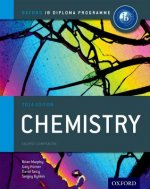
Oxford IB Diploma Programme: Chemistry Course Companion
115 Kč -
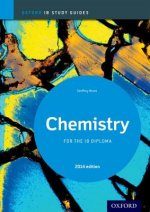
Oxford IB Study Guides: Chemistry for the IB Diploma
371 Kč -

Fundamentals of Fragrance Chemistry
2196 Kč -
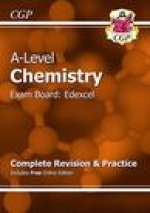
A-Level Chemistry: Edexcel Year 1 & 2 Complete Revision & Practice with Online Edition
629 Kč -
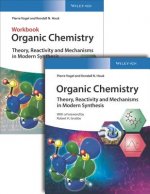
Organic Chemistry Deluxe Edition - Theory, Reactivity and Mechanisms in Modern Synthesis
3298 Kč -
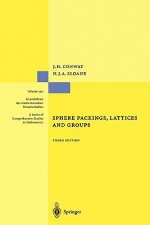
Sphere Packings, Lattices and Groups
1500 Kč -
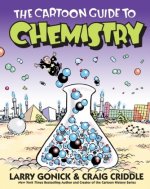
Cartoon Guide to Chemistry
375 Kč -
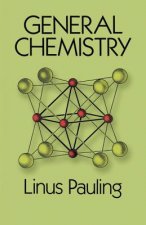
General Chemistry
641 Kč -
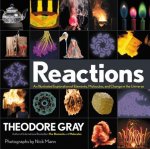
Reactions
490 Kč -
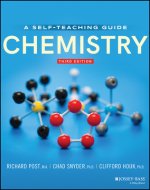
Chemistry - A Self-Teaching Guide, Third Edition
446 Kč -
Collected Works of C.G. Jung
1084 Kč -
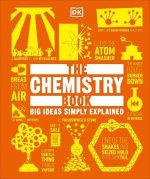
Chemistry Book
413 Kč -
Organic Structures from Spectra
1611 Kč -
Chemistry For Dummies, 2nd Edition
381 Kč -
A-Level Chemistry: AQA Year 1 & 2 Complete Revision & Practice with Online Edition
668 Kč -
RSC Periodic Table Wallchart, A0
448 Kč -

Advanced Biology For You
1695 Kč -

Complete Adult Psychotherapy Treatment Planner
1559 Kč -
Organic Chemistry I Workbook For Dummies, 2nd Edit ion
459 Kč -
General Chemistry
2187 Kč -
Classics in Total Synthesis IV - New Targets, Strategies, and Methods
2265 Kč -
Periodic Table in Minutes
293 Kč -

Chemistry and Technology of Solid Rocket Propellants
624 Kč -
Chemical Demonstrations, Volume Five
957 Kč -
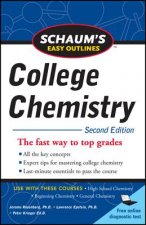
Schaum's Easy Outlines of College Chemistry, Second Edition
350 Kč -
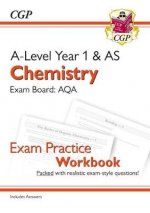
A-Level Chemistry: AQA Year 1 & AS Exam Practice Workbook - includes Answers
211 Kč -
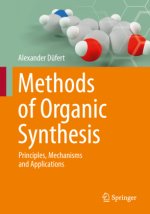
Methods of Organic Synthesis
1843 Kč -
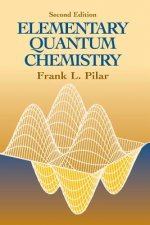
Elementary Quantum Chemistry, Secon
567 Kč -
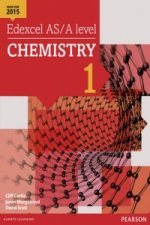
Edexcel AS/A level Chemistry Student Book 1 + ActiveBook
1188 Kč -
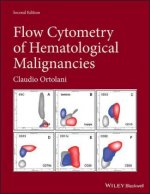
Flow Cytometry of Hematological Malignancies 2nd Edition
4266 Kč -
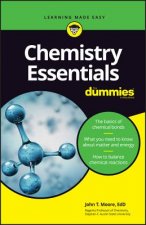
Chemistry Essentials For Dummies
235 Kč -
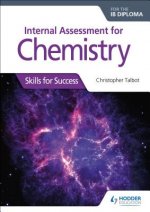
Internal Assessment for Chemistry for the IB Diploma
776 Kč -
Pearson Baccalaureate Chemistry Standard Level 2nd edition print and ebook bundle for the IB Diploma
1981 Kč -
General Chemistry
7555 Kč -

Calculations in AS/A Level Chemistry
1375 Kč -
Chemistry for the IB Diploma Second Edition
1885 Kč -
Study Guide with Student Solutions Manual for McMurry's Organic Chemistry, 9th
2131 Kč -

Advanced Chemistry For You
1695 Kč -
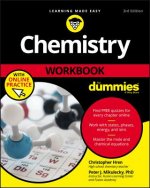
Chemistry Workbook For Dummies with Online Practic e, Third Edition
420 Kč -
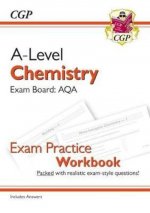
A-Level Chemistry: AQA Year 1 & 2 Exam Practice Workbook - includes Answers
383 Kč -
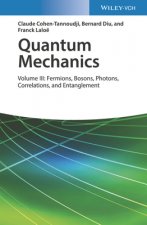
Quantum Mechanics - Volume III: Fermions, Bosons, Photons, Correlations, and Entanglement
3089 Kč -

General Chemistry: The Essential Concepts
1798 Kč -
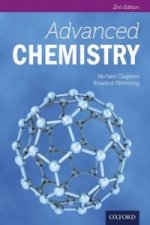
Advanced Chemistry
2204 Kč -
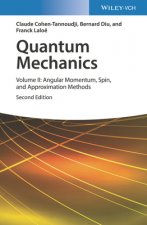
Quantum Mechanics 2e - Volume II: Angular Momentum, Spin, and Approximation Methods
3398 Kč -
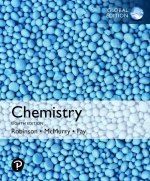
Chemistry, Global Edition
2345 Kč -

Practice of Royal Icing
3532 Kč -
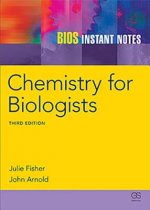
BIOS Instant Notes in Chemistry for Biologists
927 Kč -
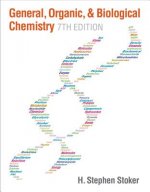
General, Organic, and Biological Chemistry
7555 Kč
Osobní odběr Praha, Brno a 47405 dalších
Copyright ©2008-26 nejlevnejsi-knihy.cz Všechna práva vyhrazenaSoukromíCookies

 Vrácení do měsíce
 571 999 099 (8-15.30h)