Kód: 04334015
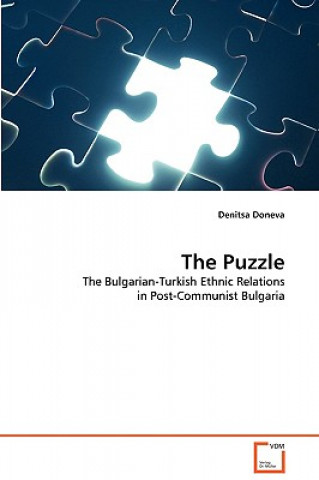
Puzzle
Autor Denitsa Doneva
The Eastern European post-communist experience§revealed that ethnic tensions could jeopardize the§peaceful democratization of ethnically divided§societies and could lead to ethnic violence and war.§§However, in the background of t ... celý popis


- Jazyk:
 Angličtina
 - Vazba: Brožovaná
- Počet stran: 68
Nakladatelství: VDM Verlag, 2009
- Více informací o knize


Mohlo by se vám také líbit
-

Three Women
262 Kč -

Your Memory
402 Kč -

Florette 500 Piece Puzzle
296 Kč -

End of Power
303 Kč -

Harry Potter: Dark Arts
456 Kč -

Encuentro con la sombra : el poder del lado oscuro de la naturaleza humana
519 Kč -

Ghost Hunt 2
391 Kč -

First Buster (2015 specifications)
921 Kč -

Adult puzzle 3000 Teile - Dragon's Library
835 Kč -

Sardinien, Rother Wanderführer
412 Kč -

100 Puzzle Games
329 Kč -

Die 27. Etage
358 Kč -

Sich regen, weswegen?
329 Kč -

Günes Tutulmasi
415 Kč -

Reading in the Byzantine Empire and Beyond
4520 Kč -

Home Based Hospice Care Documentary: How Did I Look After My Family with Last Stage Cancer?
145 Kč -

Energy transition pathways for the 2030 agenda in Asia and the Pacific
963 Kč -

Drachenwacht
286 Kč -

Authority and Order
1212 Kč -

Le livre de bébé - Les cinq premières années
738 Kč -

Rogue Commander
301 Kč -

Cultural History of the Chinese Character "Ta ( , She)"
4835 Kč -

Combined Arms Operations in Urban Terrain
539 Kč -

"C'est pas con, un cheval, c'est pas con !"
498 Kč -

Dictionnaire de Theologie Morale. Tome 32
939 Kč -

Carbohydrate Chemistry
10317 Kč -

Behavioral Pediatrics
2992 Kč -

Snail In My Prime
655 Kč -

Charles Dickens
4266 Kč -

Monday Morning Choices
465 Kč -

Brunswick
473 Kč -

Properties of Matter
682 Kč -

Fundamentals of Psychoanalysis
615 Kč -

Beyond
756 Kč -

Krill
1635 Kč
Dárkový poukaz: Radost zaručena
- Darujte poukaz v libovolné hodnotě a my se postaráme o zbytek.
- Poukaz se vztahuje na celou naši nabídku.
- Elektronický poukaz vytisknete z e-mailu a můžete ihned darovat.
- Platnost poukazu je 12 měsíců od data vystavení.
Více informací o knize Puzzle
Nákupem získáte 121 bodů
 Anotace knihy
The Eastern European post-communist experience§revealed that ethnic tensions could jeopardize the§peaceful democratization of ethnically divided§societies and could lead to ethnic violence and war.§§However, in the background of the more turbulent§Balkans, and despite the hostile perceptions of§ethnic Bulgarians and Turks after 1989 inherited from§the communist repression against the Turkish minority§(revival process), Bulgaria managed to evolve as a§true success story in the challenge to cope with§ethnic tensions. Thus the Bulgarian-Turkish§interethnic co-operation in post-communist Bulgaria§presents an appealing puzzle.§§Why did the evolution of the successful ethnic model§become possible after 1989 despite the forcible§assimilation campaign which the communist elite§launched (1984-1985) against the Turkish minority,§and which polarized Bulgarian society along ethnic§lines? The book traces, reveals and evaluates the§relational web of internal and external factors that§contributed to the evolution of the successful§post-communist Bulgarian ethnic model from the§interethnic confrontation triggered by the traumatic§legacy of the revival process.
Parametry knihy
1208 Kč
- Plný název: Puzzle
- Autor: Denitsa Doneva
- Jazyk: Angličtina
- Vazba: Brožovaná
- Počet stran: 68
- EAN: 9783639064155
- ISBN: 3639064151
- ID: 04334015
- Nakladatelství: VDM Verlag
- Hmotnost: 113 g
- Rozměry: 229 × 152 × 4 mm
- Datum vydání: 27. February 2009
Oblíbené z jiného soudku
-

Moonwalk
317 Kč -

Berserk Deluxe Volume 1
861 Kč -

The Score
243 Kč -

Murdoku
329 Kč -

Threshing Day (Wing and Claw Collection)
439 Kč -

The Mistake
243 Kč -

Berserk Deluxe Volume 2
941 Kč -

The Deal
262 Kč -

Jujutsu Kaisen, Vol. 30
220 Kč -

Dancing The Dream
517 Kč -

Berserk Deluxe Volume 3
781 Kč -

White Nights
95 Kč -

Threshing Day (Limited Deluxe Edition)
488 Kč -

The Goal
253 Kč -

Kid's Box New Generation Level 2 Activity Book with Digital Pack British English
265 Kč -

Jujutsu Kaisen, Vol. 26
240 Kč -

Onyx Storm (Deluxe Limited Edition) (The Empyrean, 3)
525 Kč -

Berserk Deluxe Volume 5
781 Kč -

Murdoku Volume 2: Back in Time
329 Kč -

Chainsaw Man, Vol. 21
240 Kč -

The Count of Monte Cristo
253 Kč -

Witch Hat Atelier: Grimoire Edition 2
854 Kč -

Lord of Mysteries, Vol. 1: The Clown, Part I
373 Kč -

Invincible Compendium Volume 3
1123 Kč -

Lord of Mysteries, Vol. 3: The Clown, Part III
373 Kč -

Jujutsu Kaisen, Vol. 29
225 Kč -

Witch Hat Atelier: Grimoire Edition 1
854 Kč -
The Odyssey
318 Kč -

Berserk Deluxe Volume 4
853 Kč -

Restitution
243 Kč -

Six of Crows: A Darker Shore: Letters from Ketterdam
417 Kč -

Kid's Box New Generation Level 2 Pupil's Book with eBook British English
432 Kč -

The Legacy
266 Kč -

The Courage To Be Disliked
244 Kč -

JoJo's Bizarre Adventure: Part 7--Steel Ball Run, Vol. 7
443 Kč -

Heartstopper Volume 6
354 Kč -

Kid's Box New Generation Level 3 Activity Book with Digital Pack British English
265 Kč -

Jujutsu Kaisen, Vol. 1
240 Kč -

Invincible Compendium Volume 2
1121 Kč -

Yesteryear
335 Kč -

Fourth Wing
572 Kč -

Iron Flame
536 Kč -

Kid's Box New Generation Level 1 Activity Book with Digital Pack British English
265 Kč -

Onyx Storm
243 Kč -

Jujutsu Kaisen, Vol. 25
220 Kč -

Heated Rivalry
243 Kč -

Veil Volume 1
342 Kč -

Moonwalk: A Memoir
573 Kč -

East of Eden
306 Kč
Osobní odběr Praha, Brno a 47926 dalších
Copyright ©2008-26 nejlevnejsi-knihy.cz Všechna práva vyhrazenaSoukromíCookies

 Vrácení do měsíce
 571 999 099 (8-15.30h)