Kód: 02497487
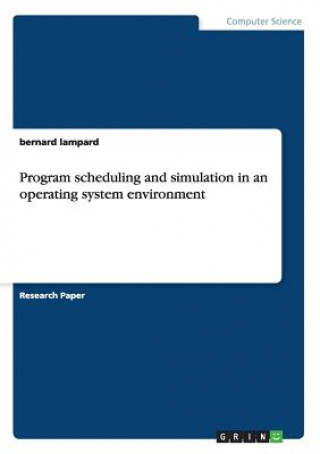
Program scheduling and simulation in an operating system environment
Autor bernard lampard
Research Paper from the year 2011 in the subject Computer Science - Commercial Information Technology, grade: A, Massachusetts Institute of Technology, language: English, abstract: CPU scheduling is a technique used by computer op ... celý popis


- Jazyk:
 Angličtina
 - Vazba: Brožovaná
- Počet stran: 104
Nakladatelství: Grin Publishing, 2014
- Více informací o knize


Mohlo by se vám také líbit
-

EL DIARIO MAGICO DE ANNA KADABRA.
431 Kč -

Snore Wars!
341 Kč -

Dick and Dom's Slightly Naughty but Very Silly Words
287 Kč -

Magnet-Angelspiel (Holzpuzzle)
388 Kč -

Església catalana 1995-2004: Del Concili Tarraconense al bisbat de Sant Feliu
290 Kč -

Wie religioes ist New-Age-Politik?
369 Kč -

Etudes Sur Les Moralistes Francais (1885)
728 Kč -

Frank Boyden
909 Kč -

Краткий курс истории русского театра
277 Kč -

Bidrag Til Lymphekjertlernes Normale Og Pathologiske Anatomi (1871)
794 Kč -

Sport und Bewegung in der Schwangerschaft. Ein schwangerschaftsbegleitendes Kurskonzept fur den Gesundheitsmarkt
814 Kč -

politica do abastecimento alimentar no Brasil
1115 Kč -

AEr texter felskrivna?
365 Kč -

Low-Rise RC Shear Walls
1933 Kč
Dárkový poukaz: Radost zaručena
- Darujte poukaz v libovolné hodnotě a my se postaráme o zbytek.
- Poukaz se vztahuje na celou naši nabídku.
- Elektronický poukaz vytisknete z e-mailu a můžete ihned darovat.
- Platnost poukazu je 12 měsíců od data vystavení.
Více informací o knize Program scheduling and simulation in an operating system environment
Nákupem získáte 98 bodů
 Anotace knihy
Research Paper from the year 2011 in the subject Computer Science - Commercial Information Technology, grade: A, Massachusetts Institute of Technology, language: English, abstract: CPU scheduling is a technique used by computer operating systems to manage the usage of the computer s central processing unit. In a multi-programming environment whereby several processes are running on the same processor, it is essential to use scheduling criteria to avoid collisions in the computer s operations. This will help users in a given information technology oriented firm to share server spaces and resources like printers and file storage spaces. In the multi-tasking environment, a program called CPU scheduler selects one of the ready processes and allocates the processor to it. There are a number of occasions when a new process can or must be chosen to run: When a running process block and changes its state to Blocked , When a timer for a running process expires, When a waiting process unblocks and changes its state to Ready , and When a running process terminates and changes its state to Exit (Wikipedia, 2013). §Different types of scheduling programs referred to as algorithms can be employed in CPU scheduling instances. Among the most popular scheduling algorithms is Shortest Job First (SJF). SJF gives the processor to the process with the shortest next time allocation known as the burst. If there are processes with similar CPU bursts in the event queue, the scheduler uses First Come First Served algorithm which allocates the first process to arrive in the queue to the processor regardless of its burst time. It operates under the assumption that the length of the next CPU burst of each of the processes in ready queue is known (CPU scheduling, 2013). The SJF algorithm can be used in both pre-emptive and non-preemptive methods. The algorithm can be preemptive or not.§Shortest Job First with preemption uses priority measure to determine the next process to be given the CPU. The processes will be having different CPU bursts and different priority levels allocated to them. The process with the least priority magnitude is always picked next. A process already allocated the processor can be preempted the CPU and allocation done to another process with higher priority when such a process arrives in the queue. SJF with non-preemptive operates in the normal procedure whereby the job with the least CPU burst in the waiting queue is always picked next for allocation of the CPU and the rest of the processes have to wait no matter their urgency.§Based on the introduction above, it is essential to use the right CPU scheduling strategy to help us achieve
Parametry knihy
Zařazení knihy Knihy v angličtině Computing & information technology Computer programming / software development Programming & scripting languages: general
975 Kč
- Plný název: Program scheduling and simulation in an operating system environment
- Autor: bernard lampard
- Jazyk: Angličtina
- Vazba: Brožovaná
- Počet stran: 104
- EAN: 9783656587415
- ISBN: 3656587418
- ID: 02497487
- Nakladatelství: Grin Publishing
- Hmotnost: 156 g
- Rozměry: 151 × 210 × 14 mm
- Datum vydání: 18. February 2014
Oblíbené z jiného soudku
-
C Programming Language
1309 Kč -
C++: A Beginner's Guide, Second Edition
812 Kč -

Programming in Lua, fourth edition
795 Kč -
Go Programming Language, The
915 Kč -

C++ Concurrency in Action,2E
1652 Kč -
C# in Depth, 4E
1064 Kč -
C Programming
1956 Kč -

Pro Spring Boot 3
775 Kč -
Functional Programming in C++
996 Kč -

Test Driven Development for Embedded C
700 Kč -

Pro Spring 6
1025 Kč -
Beginning C++23
1034 Kč -

Little Schemer
1157 Kč -
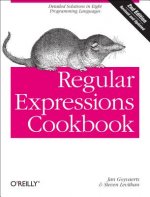
Regular Expressions Cookbook 2e
956 Kč -
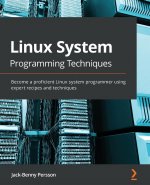
Linux System Programming Techniques
981 Kč -

Effective C++
996 Kč -

21st Century C
1121 Kč -
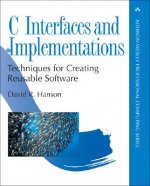
C Interfaces and Implementations
996 Kč -

Mastering Assembly Programming
947 Kč -

Unit Testing:Principles, Practices and Patterns
1064 Kč -
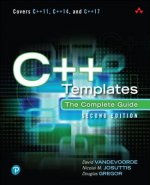
C++ Templates
1684 Kč -

C++17 - The Complete Guide
1267 Kč -
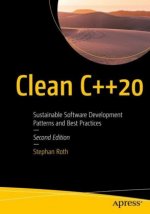
Clean C++20
723 Kč -
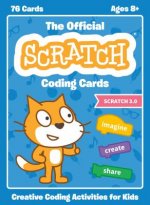
Official Scratch Coding Cards, The (scratch 3.0)
325 Kč -
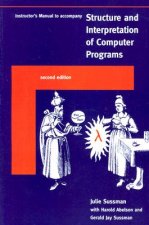
Instructor's Manual t/a Structure and Interpretation of Computer Programs
1035 Kč -
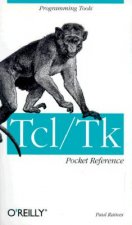
TCL/TK Pocket Reference
178 Kč -
Zephyr RTOS Embedded C Programming
894 Kč -

Stochastic Finance with Python
1034 Kč -
Understanding and Using C Pointers
904 Kč -
Modern C++ for Absolute Beginners
801 Kč -

Structured Programming with COBOL Examples
341 Kč -

Introducing Erlang, 2e
904 Kč -
Automate The Boring Stuff With Python, 2nd Edition
801 Kč -

C Programming Absolute Beginner's Guide
490 Kč -

Fanuc CNC Custom Macros
1690 Kč -
C++: The Complete Reference
1326 Kč -

C: The Complete Reference
1137 Kč -
Agile Principles, Patterns, and Practices in C#
1684 Kč -

Art of Writing Efficient Programs
940 Kč -

Implementation Patterns
915 Kč -

Practical Fraud Prevention
1124 Kč -
D Programming Language
915 Kč -
Numerical Python
568 Kč -
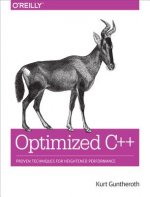
Optimized C++
1339 Kč -

Lua Programming Gems
722 Kč -

Jumping Into C++
777 Kč -
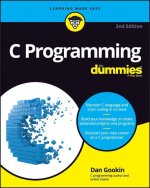
C Programming For Dummies
608 Kč -
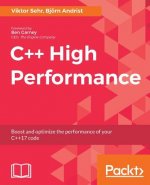
C++ High Performance
1084 Kč -
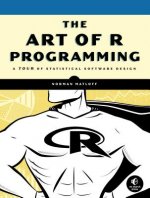
Art Of R Programming
786 Kč
Osobní odběr Praha, Brno a 46865 dalších
Copyright ©2008-26 nejlevnejsi-knihy.cz Všechna práva vyhrazenaSoukromíCookies

 Vrácení do měsíce
 571 999 099 (8-15.30h)