
Kód: 49233833
Postcolonial Volk
Autor Benjamin Zachariah
Postcolonial theory and its bedfellow, decolonial theory, are the most flourishing products of academia in recent times. Transcending their origins in universities and literary criticism, and clustering around what is coming to be ... celý popis


- Jazyk:
 Angličtina
 - Vazba: Pevná
- Počet stran: 160
Nakladatelství: John Wiley and Sons Ltd, 2026
- Více informací o knize

583 Kč

Skladem u dodavatele v malém množství
Odesíláme za 11-15 dnů
Potřebujete více kusů?Máte-li zájem o více kusů, prověřte, prosím, nejprve dostupnost titulu na naši zákaznické podpoře.
Přidat mezi přání
Mohlo by se vám také líbit
-

Six of Crows: A Darker Shore
424 Kč -

No Longer Human
257 Kč -

Tamon's B-Side, Vol. 6
221 Kč -

Hellboy: The Complete Short Stories Volume 2
517 Kč -

The Legend of Zelda: Breath of the Wild--Creating a Champion
786 Kč -

Watch Me
380 Kč -

Hamilton: The Revolution
786 Kč -

Nouvelle Génération B2 - livre + cahier + didierfle.app
537 Kč -

Secret Gratitude Book
346 Kč -

Tao Oracle
566 Kč -

Die Welt unter der Lupe - zu Lande
247 Kč -

The Adventures of Tubby Nugget: Escape from Nuggetville
227 Kč -

Stranger Things
564 Kč -

Written
226 Kč -

POP UP ! CM2 - Manuel
239 Kč -

Mystisches Lenormand, Die vier medialen Zusatzkarten, 4 Karten
131 Kč -

Arabesque
775 Kč -

Panów piłą. Trzy legendy o Jakubie Szeli
479 Kč -

Star Wars: Eine neue Hoffnung, 1 Audio-CD (Soundtrack)
411 Kč -

Ariol 10 - Ballettratten
290 Kč -

Pokémon. La grande avventura. L'arte di Satoshi Yamamoto
678 Kč -

Conditional Freedom: Free Soil and Fugitive Slaves from the U.S. South to Mexico's Northeast, 1803-1861
4149 Kč -

Business Spanish and Commercial Vocabulary
336 Kč -

Formulaire General Et Complet de Procedure Civile, Commerciale Et Administrative. Tome 1
850 Kč -

Polish American History after 1939
1404 Kč -
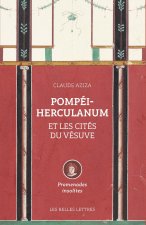
Pompéi-Herculanum et les cités du Vésuve
750 Kč -

Porcines reproduktives und respiratorisches Syndrom (PRRS)
914 Kč -

Polyvinylidene Fluoride (PVDF)
3297 Kč
Dárkový poukaz: Radost zaručena
- Darujte poukaz v libovolné hodnotě a my se postaráme o zbytek.
- Poukaz se vztahuje na celou naši nabídku.
- Elektronický poukaz vytisknete z e-mailu a můžete ihned darovat.
- Platnost poukazu je 12 měsíců od data vystavení.
Více informací o knize Postcolonial Volk
Nákupem získáte 58 bodů
 Anotace knihy
Postcolonial theory and its bedfellow, decolonial theory, are the most flourishing products of academia in recent times. Transcending their origins in universities and literary criticism, and clustering around what is coming to be known as 'theory from the Global South', their guiding assumptions have leaked into the public domain and become shibboleths with which to acknowledge historically victimised communities. With this success has come a disturbing trend: political activity operates based on clumsy victimhood analogies, and much of its rhetoric is deliberately anti-rational, reproducing and perpetuating the manufactured categories of racist and sectarian imaginations. Benjamin Zachariah examines this phenomenon and its worrying affinities with völkisch thinking. A product of nineteenth-century romantic nationalism, völkisch is an adjective that indicates a community of blood, soil and race. These aspects are less explicit in its newer guises, which instead invoke a community of collective memory and victimhood. Nonetheless, Zachariah argues, that older form of collective belonging remains embedded in apparently new attitudes: a compulsory community of both inherited victimhood and organic belonging. Striking and thought-provoking, this book is a major intervention for anyone concerned by the more insidious side of postcolonialism.
Parametry knihy
583 Kč
- Plný název: Postcolonial Volk
- Autor: Benjamin Zachariah
- Jazyk: Angličtina
- Vazba: Pevná
- Počet stran: 160
- EAN: 9781509562633
- ID: 49233833
- Nakladatelství: John Wiley and Sons Ltd
- Hmotnost: 344 g
- Datum vydání: 29. January 2026
Oblíbené z jiného soudku
-

Moonwalk
270 Kč -

The Score
241 Kč -

Berserk Deluxe Volume 1
779 Kč -

The Deal
254 Kč -

The Mistake
254 Kč -

Jujutsu Kaisen, Vol. 30
221 Kč -

Berserk Deluxe Volume 2
942 Kč -

Dancing The Dream
517 Kč -

Murdoku
334 Kč -

Berserk Deluxe Volume 3
804 Kč -

The Goal
253 Kč -

White Nights
89 Kč -

Invincible Compendium Volume 2
1108 Kč -

Chainsaw Man, Vol. 21
270 Kč -

The Legacy
244 Kč -

Jujutsu Kaisen, Vol. 29
199 Kč -

Invincible Compendium Volume 3
1123 Kč -

Threshing Day (Wing and Claw Collection)
400 Kč -

Lord of Mysteries, Vol. 3: The Clown, Part III
373 Kč -

Berserk Deluxe Volume 5
804 Kč -

Witch Hat Atelier: Grimoire Edition 1
786 Kč -

Jujutsu Kaisen, Vol. 26
240 Kč -

Berserk Deluxe Volume 4
854 Kč -

JoJo's Bizarre Adventure: Part 7--Steel Ball Run, Vol. 7
427 Kč -

Lord of Mysteries, Vol. 1: The Clown, Part I
342 Kč -
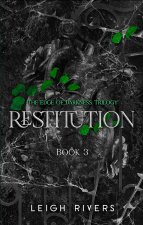
Restitution
227 Kč -

Heated Rivalry
227 Kč -

Jujutsu Kaisen, Vol. 1
225 Kč -

Witch Hat Atelier: Grimoire Edition 2
786 Kč -

Yesteryear
335 Kč -

The Courage To Be Disliked
206 Kč -

Moonwalk: A Memoir
529 Kč -

Veil Volume 1
368 Kč -

Onyx Storm (Deluxe Limited Edition) (The Empyrean, 3)
526 Kč -

Jujutsu Kaisen, Vol. 25
226 Kč -

Jujutsu Kaisen, Vol. 2
240 Kč -

Murdoku Volume 2: Back in Time
325 Kč -

Invincible Compendium Volume 1
1108 Kč -

Jujutsu Kaisen, Vol. 28
221 Kč -

Onyx Storm
227 Kč -

Six of Crows: A Darker Shore: Letters from Ketterdam
387 Kč -

Berserk Deluxe Volume 6
862 Kč -

The Count of Monte Cristo
227 Kč -

The Long Game
227 Kč -

Voracious
227 Kč -

Witch Hat Atelier Manga Box Set 1
1245 Kč -

Kid's Box New Generation Level 2 Activity Book with Digital Pack British English
251 Kč -

Throne of Glass Box Set
1775 Kč -

Atomic Habits
344 Kč
Osobní odběr Praha, Brno a 46961 dalších
Copyright ©2008-26 nejlevnejsi-knihy.cz Všechna práva vyhrazenaSoukromíCookies

 Vrácení do měsíce
 571 999 099 (8-15.30h)