Kód: 02416854
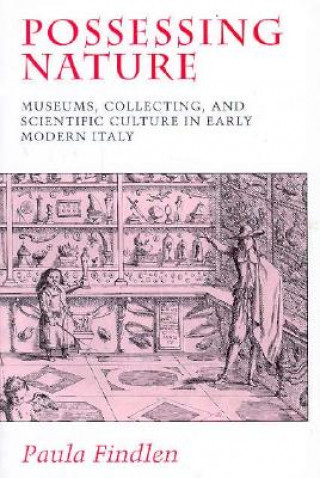
Possessing Nature
Autor Paula Findlen
In 1500 few Europeans regarded nature as a subject worthy of inquiry. Yet fifty years later the first museums of natural history had appeared in Italy, dedicated to the marvels of nature. Italian patricians, their curiosity fueled ... celý popis


- Jazyk:
 Angličtina
 - Vazba: Brožovaná
- Počet stran: 449
Nakladatelství: University of California Press, 1996
- Více informací o knize


Mohlo by se vám také líbit


Dárkový poukaz: Radost zaručena
- Darujte poukaz v libovolné hodnotě a my se postaráme o zbytek.
- Poukaz se vztahuje na celou naši nabídku.
- Elektronický poukaz vytisknete z e-mailu a můžete ihned darovat.
- Platnost poukazu je 12 měsíců od data vystavení.
Více informací o knize Possessing Nature
Nákupem získáte 93 bodů
 Anotace knihy
In 1500 few Europeans regarded nature as a subject worthy of inquiry. Yet fifty years later the first museums of natural history had appeared in Italy, dedicated to the marvels of nature. Italian patricians, their curiosity fueled by new voyages of exploration and the humanist rediscovery of nature, created vast collections as a means of knowing the world and used this knowledge to their greater glory. Drawing on extensive archives of visitors' books, letters, travel journals, memoirs, and pleas for patronage, Paula Findlen reconstructs the lost social world of Renaissance and Baroque museums. She follows the new study of natural history as it moved out of the universities and into sixteenth- and seventeenth-century scientific societies, religious orders, and princely courts. Findlen argues convincingly that natural history as a discipline blurred the border between the ancients and the moderns, between collecting in order to recover ancient wisdom and the development of new textual and experimental scholarship. Her vivid account reveals how the scientific revolution grew from the constant mediation between the old forms of knowledge and the new.
Parametry knihy
Zařazení knihy Knihy v angličtině Humanities History Regional & national history
930 Kč
- Plný název: Possessing Nature
- Autor: Paula Findlen
- Jazyk: Angličtina
- Vazba: Brožovaná
- Počet stran: 449
- EAN: 9780520205086
- ISBN: 0520205081
- ID: 02416854
- Nakladatelství: University of California Press
- Hmotnost: 724 g
- Rozměry: 226 × 150 × 29 mm
- Datum vydání: 02. April 1996
Oblíbené z jiného soudku
-

Ethnic Cleansing of Palestine
276 Kč -

The Fourth Turning
358 Kč -

Line in the Sand
235 Kč -
24 Hours in Ancient Rome
249 Kč -

Ataturk
336 Kč -

Black Hawk Down
335 Kč -

Slightly Out of Focus
303 Kč -

Age Of Revolution
336 Kč -

Wages of Destruction
445 Kč -

Babylon
315 Kč -
Oxford History of Greece and the Hellenistic World
396 Kč -

Florence
1268 Kč -

Coming of the Third Reich
424 Kč -

Lost Enlightenment
396 Kč -

Pompeii
271 Kč -

Roman History
293 Kč -

Berlin
276 Kč -

Ottoman Empire
336 Kč -

Swiss Watching
337 Kč -

Fools Crow
318 Kč -

Conquest of New Spain
293 Kč -

Rise And Fall Of The Third Reich
445 Kč -

Easy Company Soldier
335 Kč -
Twelve Caesars
272 Kč -

Citizens
445 Kč -

To Hell and Back
319 Kč -

Third Reich at War
424 Kč -
Ancient Iraq
380 Kč -

Pax Britannica
315 Kč -

Team of Rivals
380 Kč -

General History of the Pyrates
608 Kč -

Heaven's Command
342 Kč -

Mons Graupius AD 83
467 Kč -
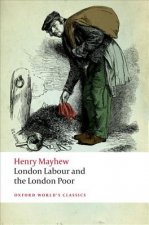
London Labour and the London Poor
256 Kč -

Blind Mans Bluff
270 Kč -
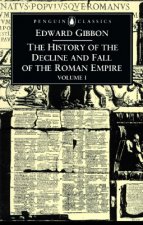
History of the Decline and Fall of the Roman Empire
465 Kč -

Cambridge Illustrated History of France
895 Kč -

1000 Years of Annoying the French
270 Kč -

Sea Harrier Over The Falklands
382 Kč -

U.S. Aviation and Naval Warfare in the Vietnam War
608 Kč -

Britain Against Napoleon
445 Kč -

For God and Kaiser
490 Kč -

Setting the East Ablaze
315 Kč -

Wolfram
315 Kč -
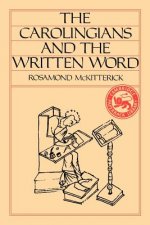
Carolingians and the Written Word
927 Kč -

Lisbon
358 Kč -
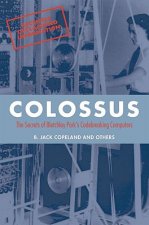
Colossus
494 Kč -

What Has Government Done to Our Money?
334 Kč -
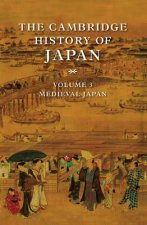
Cambridge History of Japan
2481 Kč
Osobní odběr Praha, Brno a 46366 dalších
Copyright ©2008-26 nejlevnejsi-knihy.cz Všechna práva vyhrazenaSoukromíCookies

 Vrácení do měsíce
 571 999 099 (8-15.30h)