Kód: 46241442
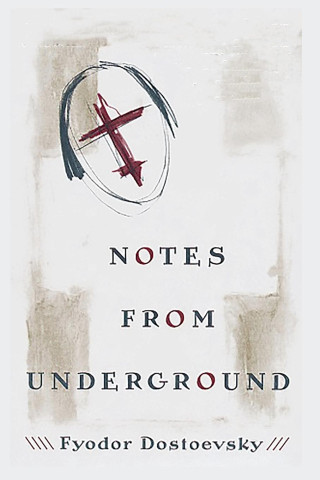
Notes from Underground
Autor Fyodor Dostoyevsky
Generally referred to by reviewers as the Underground Man, the novella offers itself as a passage from the memoirs of a retired government worker residing in St. Petersburg, a bitter, solitary, anonymous narrator. Though the initi ... celý popis


- Jazyk:
 Angličtina
 - Vazba: Brožovaná
- Počet stran: 100
Nakladatelství: BigfontBooks, 2024
- Více informací o knize


Mohlo by se vám také líbit
-

Moonwalk
270 Kč -

The Score
248 Kč -

The Deal
248 Kč -

The Mistake
248 Kč -

Jujutsu Kaisen, Vol. 30
233 Kč -

Witch Hat Atelier: Grimoire Edition 1
777 Kč -

Invincible Compendium Volume 2
1123 Kč -

Berserk Deluxe Volume 1
804 Kč -

The Goal
321 Kč -

Berserk Deluxe Volume 2
862 Kč -

Invincible Compendium Volume 1
1108 Kč -

Witch Hat Atelier Manga Box Set 1
1241 Kč -

Heated Rivalry
227 Kč -

Moonwalk: A Memoir
565 Kč -

Murdoku
380 Kč -

Lord of Mysteries, Vol. 3: The Clown, Part III
355 Kč -

Jujutsu Kaisen, Vol. 25
240 Kč -

White Nights
89 Kč -

Veil Volume 1
352 Kč -

Jujutsu Kaisen, Vol. 26
240 Kč -

Legacy
238 Kč
Dárkový poukaz: Radost zaručena
- Darujte poukaz v libovolné hodnotě a my se postaráme o zbytek.
- Poukaz se vztahuje na celou naši nabídku.
- Elektronický poukaz vytisknete z e-mailu a můžete ihned darovat.
- Platnost poukazu je 12 měsíců od data vystavení.
Více informací o knize Notes from Underground
Nákupem získáte 23 bodů
 Anotace knihy
Generally referred to by reviewers as the Underground Man, the novella offers itself as a passage from the memoirs of a retired government worker residing in St. Petersburg, a bitter, solitary, anonymous narrator. Though the initial section of the novella has the shape of a monologue, the narrator's approach to addressing his reader is somewhat dialogized. Mikhail Bakhtin said in the Underground Man's confession, "There is not a single monologically strong, undissociated word." Every word the Underground Man speaks reflects the words of someone with whom he is in an intense mental quarrel. The Underground Man attacks modern Russian philosophy, specifically Nikolay Chernyshevsky's What Is to Be Done? In a broader sense, the book challenges and rebels against determinism, a theory that reduces everything, including human personality and will, to the laws of nature, science, and mathematics.
The Underground Man's narration is rife with ideological allusions and complex conversations about the political climate of the time. Using his fiction as a weapon of ideological discourse, Dostoevsky challenges the ideologies of his time, mainly nihilism and rational egoism. The novel rejects the rationalist assumptions that underlie Jeremy Bentham's utilitarian social philosophy.
Parametry knihy
Zařazení knihy Knihy v němčině Belletristik Erzählende Literatur Hauptwerk vor 1945
227 Kč
- Plný název: Notes from Underground
- Autor: Fyodor Dostoyevsky
- Jazyk: Angličtina
- Vazba: Brožovaná
- Počet stran: 100
- EAN: 9781963956566
- ISBN: 1963956567
- ID: 46241442
- Nakladatelství: BigfontBooks
- Hmotnost: 159 g
- Rozměry: 229 × 152 × 6 mm
- Datum vydání: 12. July 2024
Osobní odběr Praha, Brno a 46876 dalších
Copyright ©2008-26 nejlevnejsi-knihy.cz Všechna práva vyhrazenaSoukromíCookies

 Vrácení do měsíce
 571 999 099 (8-15.30h)