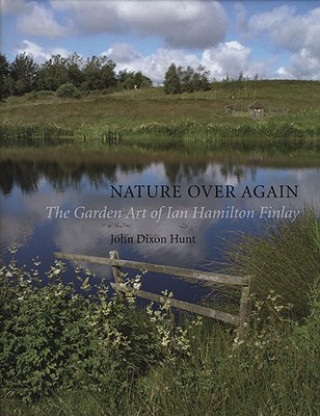
Kód: 04306952
Nature Over Again
Autor John Dixon Hunt
Though Ian Hamilton Finlay's (1925-2006) work "Little Sparta" is, according to Sir Roy Strong, 'the most important garden made in Britain since 1945', his influence - and work - is found worldwide. "Nature Over Again" reveals the ... celý popis


- Jazyk:
 Angličtina
 - Vazba: Pevná
- Počet stran: 224
Nakladatelství: Reaktion Books, 2008
- Více informací o knize

1465 Kč

Skladem u dodavatele v malém množství
Odesíláme za 13-18 dnů
Potřebujete více kusů?Máte-li zájem o více kusů, prověřte, prosím, nejprve dostupnost titulu na naši zákaznické podpoře.
Přidat mezi přání
Mohlo by se vám také líbit
-

Moonwalk
243 Kč -

The Score
323 Kč -

The Deal
275 Kč -

The Mistake
248 Kč -

Jujutsu Kaisen, Vol. 30
233 Kč -

Witch Hat Atelier: Grimoire Edition 1
777 Kč -
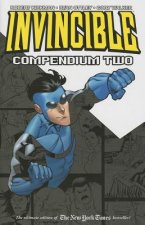
Invincible Compendium Volume 2
1024 Kč -

Berserk Deluxe Volume 1
781 Kč -

The Goal
312 Kč -

Berserk Deluxe Volume 2
837 Kč -

Invincible Compendium Volume 1
1305 Kč -

Witch Hat Atelier Manga Box Set 1
1241 Kč -
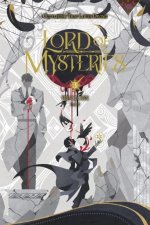
Lord of Mysteries, Vol. 3: The Clown, Part III
338 Kč -
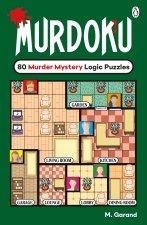
Murdoku
380 Kč -

Moonwalk: A Memoir
517 Kč -

Heated Rivalry
227 Kč -

Jujutsu Kaisen, Vol. 25
240 Kč -

Legacy
249 Kč -

Berserk Deluxe Volume 3
781 Kč -

Veil Volume 1
292 Kč -

White Nights
89 Kč
Dárkový poukaz: Radost zaručena
- Darujte poukaz v libovolné hodnotě a my se postaráme o zbytek.
- Poukaz se vztahuje na celou naši nabídku.
- Elektronický poukaz vytisknete z e-mailu a můžete ihned darovat.
- Platnost poukazu je 12 měsíců od data vystavení.
Více informací o knize Nature Over Again
Nákupem získáte 147 bodů
 Anotace knihy
Though Ian Hamilton Finlay's (1925-2006) work "Little Sparta" is, according to Sir Roy Strong, 'the most important garden made in Britain since 1945', his influence - and work - is found worldwide. "Nature Over Again" reveals the story behind the majority of Finlay's renowned garden installations, and is the first study to examine his garden designs and 'interventions' in a consequential way. An accomplished Scottish poet, writer, artist and gardener, Finlay infused his garden designs with a distinct aesthetic philosophy and poetic sensibility.John Dixon Hunt situates his analysis of Finlay's gardens in the context of that broader philosophy and poetic work, drawing on Finlay's books, prints and other written reflections about the art and practice of garden design. From the Max Planck Institute in Stuttgart to the Serpentine Gallery in London to the University of California at San Diego campus, the book documents how Finlay built an oeuvre of international renown, and ultimately argues that Finlay's innovations are best understood in the context of the long tradition of European gardens. Copiously illustrated, "Nature Over Again" brings the work of this distinguished Modernist to vivid life, making it an essential read for horticulturists, landscape designers and historians alike.
Parametry knihy
Zařazení knihy Knihy v angličtině The arts Art treatments & subjects Individual artists, art monographs
1465 Kč
- Plný název: Nature Over Again
- Autor: John Dixon Hunt
- Jazyk: Angličtina
- Vazba: Pevná
- Počet stran: 224
- EAN: 9781861893932
- ISBN: 1861893930
- ID: 04306952
- Nakladatelství: Reaktion Books
- Hmotnost: 876 g
- Rozměry: 258 × 200 × 20 mm
- Datum vydání: 01. October 2008
Osobní odběr Praha, Brno a 46566 dalších
Copyright ©2008-26 nejlevnejsi-knihy.cz Všechna práva vyhrazenaSoukromíCookies

 Vrácení do měsíce
 571 999 099 (8-15.30h)