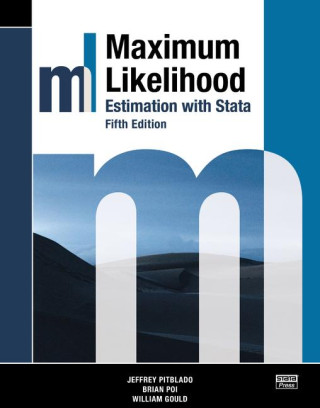
Kód: 44722072
Maximum Likelihood Estimation with Stata, Fifth Edition
Autor Jeffrey Pitblado, William Gould
Maximum Likelihood Estimation with Stata, Fifth Edition is the essential reference and guide for researchers in all disciplines who wish to write maximum likelihood (ML) estimators in Stata. Beyond providing comprehensive coverage ... celý popis


- Jazyk:
 Němčina
 - Vazba: Brožovaná
- Počet stran: 472
Nakladatelství: Stata Press, 2023
- Více informací o knize

1888 Kč
Dostupnost:
50 % šance Máme informaci, že by titul mohl být dostupný. Na základě vaší objednávky se ho pokusíme do 6 týdnů zajistit.
Prohledáme celý svět
Mohlo by se vám také líbit
-

Grandmaster of Demonic Cultivation
468 Kč -

101 Boys of Bel Ami
1198 Kč -

Maroko
533 Kč -

Last Days of the Spanish Republic
316 Kč -

'A Vilanza Cappiddazzu Paga Tuttu
176 Kč -

sistema (in)visibile. Perché non siamo più padroni del nostro destino
601 Kč -

Concepts and Practice of Mathematical Finance
2244 Kč -

Spanish Civil War
413 Kč -

Фортепиано. 6 класс ДМШ. Сост. Милич Борис.
361 Kč -

Last Great Cavalry Charge
385 Kč -

Zeszyt 5-latka. Matematyka. Basia i Julek
15 Kč -

My New Home After Iraq
629 Kč -

japanische Videomarkt
774 Kč -

Kricckracc kapitány és a gránátalmiak
267 Kč -

Die Sage Von Robert Dem Teufel In Neueren Deutschen Dichtungen Und In Meyerbeers Oper (1900)
489 Kč -

Including Children 3-11 With Physical Disabilities
3995 Kč -

Core Concepts of Geotechnical Engineering (ICE Textbook) series
1336 Kč -

Bookbindings Old and New - Notes of a Book-Lover - With an Account of the Grolier Club of New York
529 Kč -

Efecto del nitrógeno y el azufre en el crecimiento y el rendimiento de la mostaza india
1257 Kč -

Al·legorismes profans
415 Kč -

Calembours Et Jeux de Mots Des Hommes Illustres, Anciens Et Modernes. Tome 1
489 Kč -

Dienstleistungen in der okonomischen Theorie
1544 Kč -
Inorganic Polyphosphates
3062 Kč -

How to Get Rich this Year
204 Kč -

Best in Show!: Purebed Dogs in Glass
485 Kč -

Judische Identitaten und antisemitische Politiken im osterreichischen Parlament 1861--1933
1259 Kč -

Musique et philosophie au xxe siècle - entendre et faire entendre
2231 Kč -

Global Clinical Trials
3039 Kč
Dárkový poukaz: Radost zaručena
- Darujte poukaz v libovolné hodnotě a my se postaráme o zbytek.
- Poukaz se vztahuje na celou naši nabídku.
- Elektronický poukaz vytisknete z e-mailu a můžete ihned darovat.
- Platnost poukazu je 12 měsíců od data vystavení.
Informovat o naskladnění knihy
Zadejte do formuláře e-mailovou adresu a jakmile knihu naskladníme, zašleme vám o tom zprávu. Pohlídáme vše za vás.
Více informací o knize Maximum Likelihood Estimation with Stata, Fifth Edition
Nákupem získáte 189 bodů
 Anotace knihy
Maximum Likelihood Estimation with Stata, Fifth Edition is the essential reference and guide for researchers in all disciplines who wish to write maximum likelihood (ML) estimators in Stata. Beyond providing comprehensive coverage of Stata’s commands for writing ML estimators, the book presents an overview of the underpinnings of maximum likelihood and how to think about ML estimation.
The fifth edition includes a new second chapter that demonstrates the easy-to-use mlexp command. This command allows you to directly specify a likelihood function and perform estimation without any programming.
The core of the book focuses on Stata''s ml command. It shows you how to take full advantage of ml’s noteworthy features:
- Linear constraints
- Four optimization algorithms (Newton–Raphson, DFP, BFGS, and BHHH)
- Observed information matrix (OIM) variance estimator
- Outer product of gradients (OPG) variance estimator
- Huber/White/sandwich robust variance estimator
- Cluster–robust variance estimator
- Complete and automatic support for survey data analysis
- Direct support of evaluator functions written in Mata
When appropriate options are used, many of these features are provided automatically by ml and require no special programming or intervention by the researcher writing the estimator.
In later chapters, you will learn how to take advantage of Mata, Stata''s matrix programming language. For ease of programming and potential speed improvements, you can write your likelihood-evaluator program in Mata and continue to use ml to control the maximization process. A new chapter in the fifth edition shows how you can use the moptimize() suite of Mata functions if you want to implement your maximum likelihood estimator entirely within Mata.
In the final chapter, the authors illustrate the major steps required to get from log-likelihood function to fully operational estimation command. This is done using several different models: logit and probit, linear regression, Weibull regression, the Cox proportional hazards model, random-effects regression, and seemingly unrelated regression. This edition adds a new example of a bivariate Poisson model, a model that is not available otherwise in Stata.
The authors provide extensive advice for developing your own estimation commands. With a little care and the help of this book, users will be able to write their own estimation commands---commands that look and behave just like the official estimation commands in Stata.
Whether you want to fit a special ML estimator for your own research or wish to write a general-purpose ML estimator for others to use, you need this book.
Parametry knihy
Zařazení knihy Knihy v němčině Geisteswissenschaften, Kunst, Musik Psychologie Theoretische Psychologie
1888 Kč
- Plný název: Maximum Likelihood Estimation with Stata, Fifth Edition
- Autor: Jeffrey Pitblado, William Gould
- Jazyk: Němčina
- Vazba: Brožovaná
- Počet stran: 472
- EAN: 9781597184113
- ISBN: 159718411X
- ID: 44722072
- Nakladatelství: Stata Press
- Hmotnost: 960 g
- Datum vydání: 23. November 2023
Oblíbené z jiného soudku
-
Intertwined Creatures
826 Kč -

The Brain at Rest
260 Kč -

Der Mensch und seine Symbole
650 Kč -

The Other Side of Change
380 Kč -
Tiny Experiments
235 Kč -

Learning Companion for Counselors about Dsm-5-Tr(r)
1430 Kč -

Mindwandering
235 Kč -

Ways of Being
285 Kč -

Memory Lane
629 Kč -

Psychologie - Das Übungsbuch
511 Kč -

The Age of Diagnosis
489 Kč -

What Would You Do Alone in a Cage with Nothing but Cocaine?
665 Kč -

Aufnahmetest Psychologie
815 Kč -
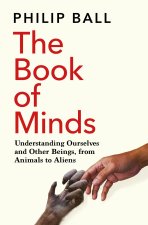
Book of Minds
292 Kč -

How to Stay Smart in a Smart World
276 Kč -

Persuasion and Healing
902 Kč -
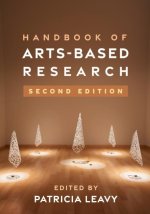
Handbook of Arts-Based Research, Second Edition
2437 Kč -

The Ideological Brain
285 Kč -

Das große Lesebuch
309 Kč -
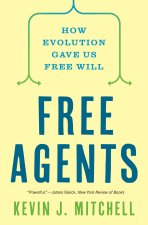
Free Agents
334 Kč -

Heavily Meditated
380 Kč -

Psychologie der Persönlichkeit
1080 Kč -

Aion - Beiträge zur Symbolik des Selbst
734 Kč -

Verlust
972 Kč -
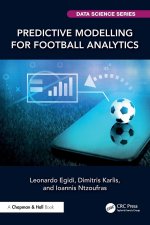
Predictive Modelling for Football Analytics
1668 Kč -

Biopsychologie
1508 Kč -

Handbook of Mindfulness, Second Edition
1548 Kč -

The Psychology of Prenatal Development
1308 Kč -

Die Archetypen und das kollektive Unbewusste
976 Kč -

Psychologie und Alchemie
1259 Kč -
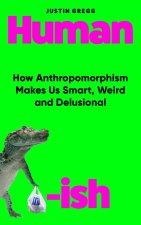
Humanish
456 Kč -

Forensic Mental Health Evaluations in the Digital Age
1843 Kč -

Autoethnographies in Psychology and Mental Health
1417 Kč -

Studien über Hysterie
410 Kč -

Der Dualismus zwischen Fakten und Werten. Die Wissenschaftbilder des analytischen Empirismus und der Kritischen Theorie
369 Kč -

Psychologische Typen
1360 Kč -

Maschinenelemente. Bd.2, Bafög-Ausgabe mit CD-ROM
1079 Kč -

Rezeptive Musiktherapie
952 Kč -
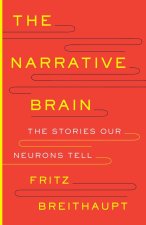
The Narrative Brain
608 Kč -

Mysterium Coniunctionis. Tl.1-2
1987 Kč -

A Trick Of The Mind
260 Kč -

Routledge Handbook of Mental Health in Elite Sport
1668 Kč -
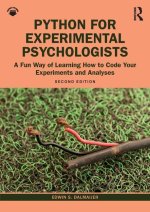
Python for Experimental Psychologists
1300 Kč -
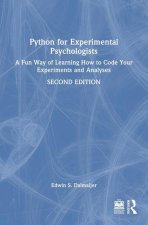
Python for Experimental Psychologists
4595 Kč -
A First Course in Causal Inference
2243 Kč -
Handbook of Regression Modeling in People Analytics
1619 Kč -
Predictive Modelling for Football Analytics
4356 Kč -
Neurocognitive Theory of Dreaming
1351 Kč -

Decisional Privacy and the Rights of the Child
1428 Kč
Osobní odběr Praha, Brno a 46994 dalších
Copyright ©2008-26 nejlevnejsi-knihy.cz Všechna práva vyhrazenaSoukromíCookies

 Vrácení do měsíce
 571 999 099 (8-15.30h)