Kód: 01416078
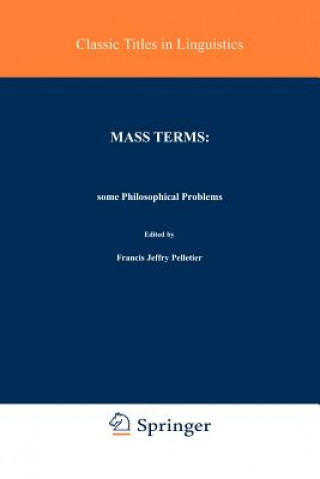
Mass Terms: Some Philosophical Problems
Autor F.J. Pelletier
I. MASS TERMS, COUNT TERMS, AND SORTAL TERMS Central examples of mass terms are easy to come by. 'Water', 'smoke', 'gold', etc. , differ in their syntactic, semantic, and pragmatic properties from count terms such as 'man', 'star' ... celý popis


- Jazyk:
 Angličtina
 - Vazba: Brožovaná
- Počet stran: 305
Nakladatelství: Springer-Verlag New York Inc., 2004
- Více informací o knize


Mohlo by se vám také líbit
-

Die stärksten Muscle Cars
290 Kč -

Digital HR
1293 Kč -

Hack/Slash Volume 3: Friday the 31st TP
392 Kč -

Fowey Lifeboats
385 Kč -
Collected Plays Hoyt Hilsman: Volume 1: The Family Plays
340 Kč -
Principio de incertidumbre
382 Kč
Dárkový poukaz: Radost zaručena
- Darujte poukaz v libovolné hodnotě a my se postaráme o zbytek.
- Poukaz se vztahuje na celou naši nabídku.
- Elektronický poukaz vytisknete z e-mailu a můžete ihned darovat.
- Platnost poukazu je 12 měsíců od data vystavení.
Více informací o knize Mass Terms: Some Philosophical Problems
Nákupem získáte 424 bodů
 Anotace knihy
I. MASS TERMS, COUNT TERMS, AND SORTAL TERMS Central examples of mass terms are easy to come by. 'Water', 'smoke', 'gold', etc. , differ in their syntactic, semantic, and pragmatic properties from count terms such as 'man', 'star', 'wastebasket', etc. Syntactically, it seems, mass terms do, but singular count terms do not, admit the quantifier phrases 'much', 'an amount of', 'a little', etc. The typical indefinite article for them is 'some' (unstressed)!, and this article cannot be used with singular count terms. Count terms, but not mass terms, use the quantifiers 'each', 'every', 'some', 'few', 'many'; and they use 'a(n)' as the indefinite article. They can, unlike the mass terms, take numerals as prefixes. Mass terms seem not to have a plural. Semantically, philo sophers have characterized count terms as denoting (classes of?) indi vidual objects, whereas what mass terms denote are cumulative and dissective. (That is, a mass term is supposed to be true of any sum of things (stuff) it is true of, and true of any part of anything of which it is true). Pragmatically, it seems that speakers use count terms when they wish to refer to individual objects, or when they wish to reidentify a particular already introduced into discoursc. Given a "space appropriate" to a count term C, it makes sense to ask how many C's there are in that space.
Parametry knihy
Zařazení knihy Knihy v angličtině Language linguistics
4238 Kč
- Plný název: Mass Terms: Some Philosophical Problems
- Autor: F.J. Pelletier
- Jazyk: Angličtina
- Vazba: Brožovaná
- Počet stran: 305
- EAN: 9781402032653
- ISBN: 140203265X
- ID: 01416078
- Nakladatelství: Springer-Verlag New York Inc.
- Hmotnost: 1010 g
- Rozměry: 210 × 148 × 18 mm
- Datum vydání: 11. November 2004
Oblíbené z jiného soudku
-

Easy German Step-by-Step, Second Edition
315 Kč -
Bird by Bird
293 Kč -
Practice Makes Perfect: Basic Portuguese, Premium Second Edition
292 Kč -
Cadenus and Vanessa
268 Kč -

Gateway to Sindarin
663 Kč -
Art Of Language Invention
335 Kč -

Remembering the Kanji 2
788 Kč -
Etymologicon
250 Kč -
Linguistics: A Complete Introduction: Teach Yourself
380 Kč -
Remembering the Kanji 3
858 Kč -
Arabic Character Writing For Dummies
288 Kč -
Syntax - A Generative Introduction Fourth Edition
1185 Kč -
Common American Phrases in Everyday Contexts
487 Kč -
Language and Linguistics
1505 Kč -
Natural History of Latin
588 Kč -
STORY OF FRENCH
512 Kč -
Dizionario Italiano Ed Inglese. A Dictionary Italian and English, Containing All The Words of The Vocabulary Della Crusca and Several Hundred More. Ta
960 Kč -
Linguistics - An Introduction to Linguistic Theory
1219 Kč -
Universal Translator
557 Kč -
UNFOLDING OF LANGUAGE
381 Kč -
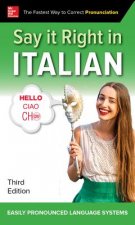
Say It Right in Italian, Third Edition
249 Kč -
Methods in Prosody
753 Kč -
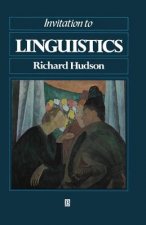
Invitation to Linguistics
1160 Kč -
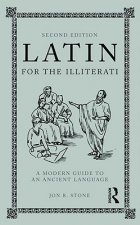
Latin for the Illiterati
573 Kč -
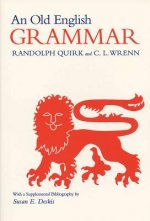
Old English Grammar
280 Kč -
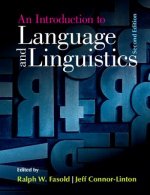
Introduction to Language and Linguistics
1241 Kč -
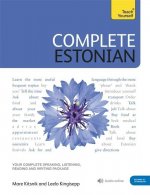
Complete Estonian
1126 Kč -

English for Civil Engineers
279 Kč -
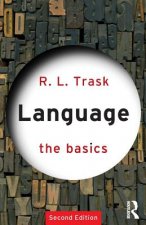
Language: The Basics
697 Kč -
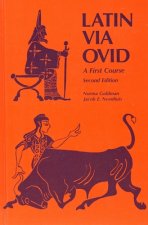
Latin Via Ovid
1009 Kč -
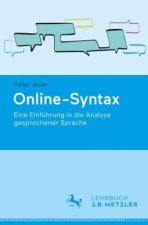
Online Syntax
607 Kč -

Japanese For Dummies, 3rd Edition
446 Kč -
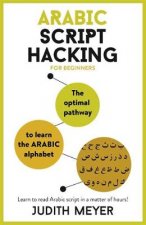
Arabic Script Hacking
387 Kč -

Way of the Linguist
279 Kč -
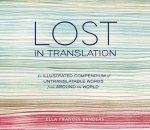
Lost in Translation
292 Kč -
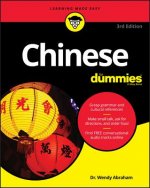
Chinese For Dummies, 3rd Edition
490 Kč -
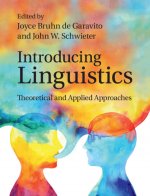
Introducing Linguistics
1318 Kč -
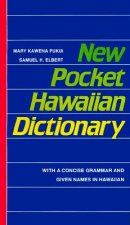
New Pocket Hawaiian Dictionary
236 Kč -
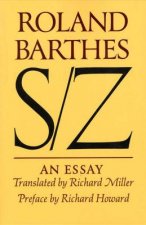
S/Z
317 Kč -
Indo-European Language and Culture - An Introduction 2e
1248 Kč -
Introducing English Linguistics
1451 Kč -
Words Words Words
303 Kč -
Temas de espanol Contrastiva:: Diferencias de usos gramaticales entre esp./portugues
412 Kč -

Story of Hebrew
318 Kč -
Hebrew
508 Kč -
Ancient Aramaic and Hebrew Letters, Second Edition
557 Kč -

Advanced Language Construction
327 Kč -
What is Morphology? 3rd edition
1068 Kč -
Dawn of Slavic
1142 Kč
Osobní odběr Praha, Brno a 47531 dalších
Copyright ©2008-26 nejlevnejsi-knihy.cz Všechna práva vyhrazenaSoukromíCookies

 Vrácení do měsíce
 571 999 099 (8-15.30h)