Kód: 04938354
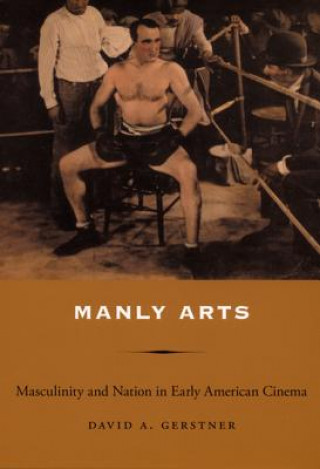
Manly Arts
Autor David A. Gerstner
In this innovative analysis of the interconnections between nation and aesthetics in the United States during the late nineteenth century and the early twentieth, David A. Gerstner reveals the crucial role of early cinema in conso ... celý popis


- Jazyk:
 Angličtina
 - Vazba: Brožovaná
- Počet stran: 336
Nakladatelství: Duke University Press, 2006
- Více informací o knize


Mohlo by se vám také líbit
-

Ladybird Early Learning: ABC flash cards
208 Kč -

China Cloud Rising
2357 Kč -

Hydrogen Sulfide: A Toxicant with Healing Potential
4002 Kč -

Rosenpersönlichkeiten
713 Kč -

Bonded
353 Kč -

Color Inheritance In Mice And Wonder Horses And Mendelism (1904)
489 Kč -

With Our Army in Palestine
489 Kč -

Superman: El nuevo milenio núm. 01 ? Final del juego
881 Kč -

Yo-Yo Tricks: 65 coole Tricks für Anfänger, Fortgeschrittene und Profis
176 Kč -

Einfluss des Calvinismus auf Politik und Wirtschaft
369 Kč -

"If the Workers Took a Notion"
1008 Kč -

Thermal Energy At The Nanoscale
2200 Kč -

Glaukom, 2
2423 Kč -

Grace for Grace. a Daily Companion Containing Scripture Texts and Hymns for a Month.
287 Kč
Dárkový poukaz: Radost zaručena
- Darujte poukaz v libovolné hodnotě a my se postaráme o zbytek.
- Poukaz se vztahuje na celou naši nabídku.
- Elektronický poukaz vytisknete z e-mailu a můžete ihned darovat.
- Platnost poukazu je 12 měsíců od data vystavení.
Více informací o knize Manly Arts
Nákupem získáte 88 bodů
 Anotace knihy
In this innovative analysis of the interconnections between nation and aesthetics in the United States during the late nineteenth century and the early twentieth, David A. Gerstner reveals the crucial role of early cinema in consolidating a masculine ideal under American capitalism. Gerstner describes how cinema came to be considered the art form of the New World and how its experimental qualities infused artistic traditions (many associated with Europe--painting, literature, and even photography) with new life: brash, virile, American life. He argues that early filmmakers were as concerned with establishing cinema's standing in relation to other art forms as they were with storytelling. Focusing on the formal dimensions of early-twentieth-century films, he describes how filmmakers drew on European and American theatre, literature, and painting to forge a national aesthetic which they viewed as one that equated democracy with masculinity. Gerstner provides in-depth readings of several early American films, illuminating their connections to a wide range of artistic traditions and cultural developments, including dance, poetry, cubism, realism, romanticism, and urbanization. He shows how J. Stuart Blackton and Theodore Roosevelt developed The Battle Cry of Peace (1915) to disclose cinema's nationalist possibilities during the era of the new twentieth-century urban frontier; how Paul Strand and Charles Sheeler positioned a national avant-garde through the fusion of "American Cubism" and industrialization in their film, Manhatta (1921); and how Oscar Micheaux drew on slave narratives and other African American artistic traditions as he grappled with the ideological terms of African American and white American manhood in his movie Within Our Gates (1920). Turning to Vincente Minnelli's Cabin in the Sky (1943), Gerstner points to the emergence of an aesthetic of cultural excess that brought together white and African American cultural producers--many of them queer--and troubled the equation of national arts with masculinity.
Parametry knihy
Zařazení knihy Knihy v angličtině Society & social sciences Society & culture: general Social groups
875 Kč
- Plný název: Manly Arts
- Podnázev: Masculinity and Nation in Early American Cinema
- Autor: David A. Gerstner
- Jazyk: Angličtina
- Vazba: Brožovaná
- Počet stran: 336
- EAN: 9780822337638
- ISBN: 0822337630
- ID: 04938354
- Nakladatelství: Duke University Press
- Hmotnost: 478 g
- Rozměry: 236 × 157 × 20 mm
- Datum vydání: 06. March 2006
Oblíbené z jiného soudku
-

Women Who Run with the Wolves
206 Kč -

Orientalism
276 Kč -

When God Was A Woman
334 Kč -

How Europe Underdeveloped Africa
432 Kč -

Manhood
445 Kč -

Goddesses in Everywoman
365 Kč -

Women Who Run With The Wolves
317 Kč -

The Second Sex
336 Kč -

The Velvet Rage
332 Kč -

Manipulated Man
272 Kč -

Why Does He Do That?
358 Kč -

Pink Marine
334 Kč -

Who Cooked the Last Supper?
365 Kč -

Witches, Midwives, And Nurses
271 Kč -

Eros and Mysteries of Love
334 Kč -

Muqaddimah
412 Kč -

Complete Persepolis
449 Kč -

Zami
235 Kč -

Distinction
697 Kč -

Beauty Myth
318 Kč -

Devotion
194 Kč -

Delectable Negro
972 Kč -

Between The World And Me
248 Kč -

Story of the Jews
325 Kč -

Third Culture Kids
490 Kč -

Secrets of Aboriginal Healing
257 Kč -

Skateboarding, Space and the City
1161 Kč -

Uncle Tom's Cabin
117 Kč -

Meat Market - Female flesh under capitalism
247 Kč -

Woman in the Shaman's Body
303 Kč -

Seize the Dance
1354 Kč -

Masculine Domination
518 Kč -

Prozac Nation
328 Kč -

Sugar in My Bowl
285 Kč -

Yiddishe Kop
380 Kč -

Preliminary Materials for a Theory of the Young-Girl
305 Kč -

Black Fortunes
341 Kč -

Muscle Boys
1084 Kč -

Lost World of the Kalahari
248 Kč -

Vindication of the Rights of Women
345 Kč -

Yes, You Are Trans Enough
441 Kč -

Die Nigger Die!
281 Kč -

Northwest Coast Indian Art
524 Kč -

The Autobiography of Malcolm X
178 Kč -

Iron John
354 Kč -

Sister Outsider
235 Kč -
Notes of a Native Son
235 Kč -

Generations
365 Kč -

The Way of Men
272 Kč
Osobní odběr Praha, Brno a 46876 dalších
Copyright ©2008-26 nejlevnejsi-knihy.cz Všechna práva vyhrazenaSoukromíCookies

 Vrácení do měsíce
 571 999 099 (8-15.30h)