
Kód: 04866938
James Ussher
Autor Alan Ford
Though known today largely for dating the creation of the world to 4004BC, James Ussher (1581-1656) was an important scholar and ecclesiastical leader in the seventeenth century. As Professor of Theology at Trinity College Dublin, ... celý popis


- Jazyk:
 Angličtina
 - Vazba: Pevná
- Počet stran: 336
Nakladatelství: Oxford University Press, 2007
- Více informací o knize


Mohlo by se vám také líbit
-

Boys Omnibus Vol. 4 TP
619 Kč -

Star Wars: Darth Vader: Dark Lord of the Sith Vol. 1 - Imperial Machine
380 Kč -

Kamenní strážcovia 2
360 Kč -

Safari Style
1321 Kč -

Numerology Guidance Cards
420 Kč -

Potíže se ženami
168 Kč -

The Crown
411 Kč -

Solo Time for Violin Book 2 + CD
629 Kč -

WhatsApp - From a one-to-one Messaging App to a Global Communication Platform
540 Kč -

Les Quatre Coins du monde - Tome 1 - Livre 1
555 Kč -

Extracurricular musical activities. Motivational impact
671 Kč -

Thai Cuisine 2022
641 Kč -

Die Lehrerschelte
622 Kč -

Género y deporte: el régimen jurídico de la mujer deportista
872 Kč -

El callejón de las almas perdidas
672 Kč -

Nato nel 1968. Italia 1968-1985. I miei primi 18 anni
494 Kč -

Metaphorosis 2016: Nearly Complete Stories
857 Kč -

Ghosts Of America 20 - Chasing Shadow
304 Kč -

Greek Mythology
1178 Kč -

Everything You Know
519 Kč -

Lifeguards and Liars: A Nanny Blu Cozy Mystery
299 Kč -

The Judith Rothschild Foundation Contemporary Drawings Collection Boxed Set
2399 Kč -

Harriet Tubman
3334 Kč -

Fundamentos físicos de los procesos biológicos III
791 Kč -

La contabilidad del impuesto de sociedades
299 Kč -

Taucherwelt Mitteldeutschland
483 Kč -

Bride's Book
244 Kč -

Schweppe
362 Kč
Darujte tuto knihu ještě dnes
- Objednejte knihu a zvolte Zaslat jako dárek.
- Obratem obdržíte darovací poukaz na knihu, který můžete ihned předat obdarovanému.
- Knihu zašleme na adresu obdarovaného, o nic se nestaráte.
Více informací o knize James Ussher
Nákupem získáte 406 bodů
 Anotace knihy
Though known today largely for dating the creation of the world to 4004BC, James Ussher (1581-1656) was an important scholar and ecclesiastical leader in the seventeenth century. As Professor of Theology at Trinity College Dublin, and Archbishop of Armagh from 1625, he shaped the newly protestant Church of Ireland. Tracing its roots back to St Patrick, he gave it a sense of Irish identity and provided a theology which was strongly Calvinist and fiercely anti-Catholic. In exile in England in the 1640s he advised both king and parliament, trying to heal the ever-widening rift by devising a compromise over church government. Forced finally to choose sides by the outbreak of civil war in 1642, Ussher opted for the royalists, but found it difficult to combine his loyalty to Charles with his detestation of Catholicism. A meticulous scholar and an extensive researcher, Ussher had a breathtaking command of languages and disciplines - 'learned to a miracle' according to one of his friends. He worked on a series of problems: the early history of bishops, the origins of Christianity in Ireland and Britain, and the implications of double predestination, making advances which were to prove of lasting significance. Tracing the interconnections between this scholarship and his wider ecclesiastical and political interests, Alan Ford throws new light on the character and attitudes of a seminal figure in the history of Irish Protestantism.
Parametry knihy
Zařazení knihy Knihy v angličtině Humanities Religion & beliefs Christianity
4062 Kč
- Plný název: James Ussher
- Podnázev: Theology, History, and Politics in Early-Modern Ireland and England
- Autor: Alan Ford
- Jazyk: Angličtina
- Vazba: Pevná
- Počet stran: 336
- EAN: 9780199274444
- ISBN: 0199274444
- ID: 04866938
- Nakladatelství: Oxford University Press
- Hmotnost: 625 g
- Rozměry: 272 × 164 × 25 mm
- Datum vydání: 21. June 2007
Oblíbené z jiného soudku
-
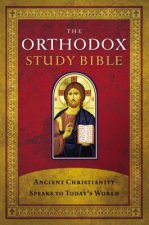
Orthodox Study Bible
801 Kč -
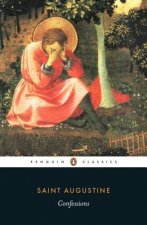
Confessions
179 Kč -

Rose Book of Bible Charts, Maps & Time Lines Vol. 1
606 Kč -
A Course in Miracles
576 Kč -
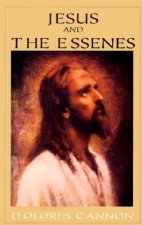
Jesus and the Essenes
249 Kč -

Orthodox Church
317 Kč -
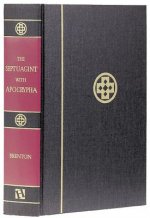
Septuagint with Apocrypha-PR-Greek/English
956 Kč -

Revised Standard Version Catholic Bible, Compact Edition, Zipper Duradera
661 Kč -
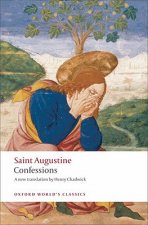
Confessions
159 Kč -

Prayer Book
538 Kč -

NIV, Cultural Backgrounds Study Bible, Hardcover, Red Letter Edition
928 Kč -

Icons and Saints of the Eastern Orthodox
443 Kč -

NIV Holy Bible (Hodder Classics)
161 Kč -

They Walked with Jesus
265 Kč -
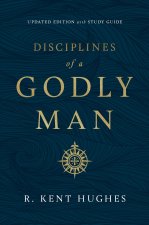
Disciplines of a Godly Man
319 Kč -

NKJV, Gift and Award Bible, Leather-Look, Black, Red Letter, Comfort Print
179 Kč -

Misquoting Jesus
319 Kč -

NKJV, Holy Bible, Soft Touch Edition, Leathersoft, Black, Comfort Print
232 Kč -

Wild at Heart Expanded Edition
334 Kč -

Love and Respect
336 Kč -

How Jesus Became God
334 Kč -

Jewish Study Bible
1116 Kč -

Imitation of Christ
275 Kč -

Nestle-Aland Novum Testamentum Graece 28 (NA28)
1422 Kč -

Holy Bible: English Standard Version (ESV) Anglicised Pew Bible (Black Colour)
424 Kč -

Anna, Grandmother of Jesus
319 Kč -

Power of Awareness
195 Kč -

God's Promises for Your Every Need, NKJV
145 Kč -
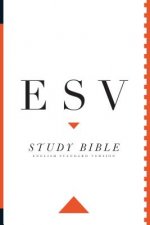
ESV Study Bible, Personal Size
648 Kč -
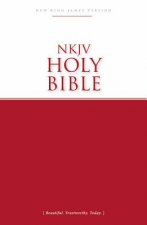
NKJV, Economy Bible, Paperback
101 Kč -

KJV Holy Bible, Personal Size Giant Print Reference Bible, Burgundy Bonded Leather, 43,000 Cross References, Red Letter, Comfort Print: King James Ver
514 Kč -

Invisible Partners
324 Kč -
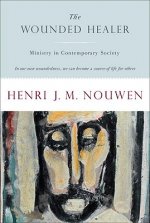
The Wounded Healer
288 Kč -
Hebrew Bible
2356 Kč -

NIV, Economy Bible, Paperback
104 Kč -

Interlinear Hebrew Greek English Bible-PR-FL/OE/KJV Large Print Volume 4
1112 Kč -

NKJV, Holy Bible New Testament, Paperback, Comfort Print
91 Kč -
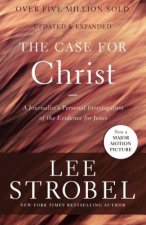
Case for Christ
334 Kč -

Essential Guide to Healing Workbook - Equipping All Christians to Pray for the Sick
414 Kč -
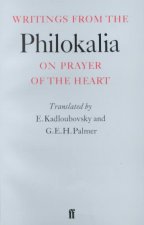
Writings from the Philokalia
609 Kč -

ESV Study Bible, Personal Size
1189 Kč -
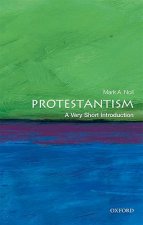
Protestantism: A Very Short Introduction
251 Kč -

Biggest Story (Pack of 25)
131 Kč -

Awareness
248 Kč -

Purpose Driven Life
188 Kč -

Canticle For Leibowitz
179 Kč -

Book of Life
334 Kč -

Holy Bible: English Standard Version (ESV) Anglicised Purple Compact Gift edition with zip
380 Kč -
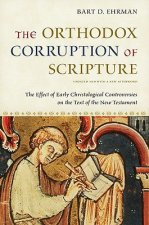
Orthodox Corruption of Scripture
1070 Kč
Osobní odběr Praha, Brno a 46811 dalších
Copyright ©2008-26 nejlevnejsi-knihy.cz Všechna práva vyhrazenaSoukromíCookies

 Vrácení do měsíce
 571 999 099 (8-15.30h)