Kód: 09284379
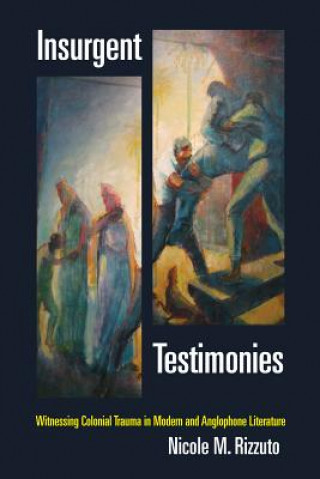
Insurgent Testimonies
Autor Nicole M Rizzuto
During the second half of the nineteenth century and the first half of the twentieth, insurgencies erupted in imperial states and colonies around the world, including Britain's. At the time of such conflicts, England was confronti ... celý popis


- Jazyk:
 Angličtina
 - Vazba: Pevná
- Počet stran: 288
Nakladatelství: Fordham University Press, 2015
- Více informací o knize


Mohlo by se vám také líbit
-

JoJo's Bizarre Adventure: Part 3 - Stardust Crusaders, Vol. 1
442 Kč -
Les Misérables (French Edition)
419 Kč -

Dearest Father
183 Kč -

Le voyage en Tunisie 1914 (French Edition)
887 Kč -

Abuelo Viene a la Clase de Primer Grado = Grandpa Comes to First Grade
303 Kč -

WWII Survival Tips
535 Kč -

Thomas von Aquin
6369 Kč -

Mike Trout
683 Kč -
Leaving Marxism
1796 Kč -

Crunch!
391 Kč -

Doctor Who - Staffel 1
789 Kč -
![Institutiones Juris Naturalis & Gentium, Ex Hugonis Grotii de Jure Belli AC Pacis Libris Excerpt]. Editio Secunda.](https://media.libris.to/jacket/07771485t.jpg "Institutiones Juris Naturalis & Gentium, Ex Hugonis Grotii de Jure Belli AC Pacis Libris Excerpt]. Editio Secunda.")
Institutiones Juris Naturalis & Gentium, Ex Hugonis Grotii de Jure Belli AC Pacis Libris Excerpt]. Editio Secunda.
388 Kč -
Beiträge zur Gesellschafts- und Wirtschaftspolitik.
1549 Kč -

Best Editorial Cartoons of the Year
485 Kč -

Die 100 besten Filme aller Zeiten
166 Kč -
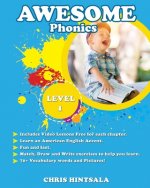
Awesome Phonics
191 Kč -

Modelli Matematici in Biologia
1161 Kč -
Works of Hubert Howe Bancroft (Volume XXVII) History of the northwest coast (Volume I)
815 Kč -

Talenterkennung und Talentauswahl im Fußball
1451 Kč -
Some of the Great Preachers of Wales (1886)
1316 Kč -

Quantum Robotics
1219 Kč -

Lake District - Der berühmte Nationalpark Englands. (Tischkalender 2026 DIN A5 quer), CALVENDO Monatskalender
426 Kč -

Pathways to Biliteracy Practice Book Grade K
949 Kč -

Deutsch-Danische Geschichte
752 Kč -

Great Expectations
456 Kč -
Self-Consistent Methods for Composites
3532 Kč -
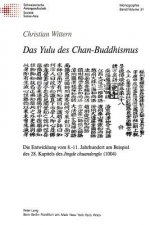
Das Yulu des Chan-Buddhismus
4235 Kč -

100 Best Weight-Loss Tips
415 Kč
Dárkový poukaz: Radost zaručena
- Darujte poukaz v libovolné hodnotě a my se postaráme o zbytek.
- Poukaz se vztahuje na celou naši nabídku.
- Elektronický poukaz vytisknete z e-mailu a můžete ihned darovat.
- Platnost poukazu je 12 měsíců od data vystavení.
Více informací o knize Insurgent Testimonies
Nákupem získáte 305 bodů
 Anotace knihy
During the second half of the nineteenth century and the first half of the twentieth, insurgencies erupted in imperial states and colonies around the world, including Britain's. At the time of such conflicts, England was confronting social and political unrest within its borders, undergoing cultural and economic shifts accompanying the growth and decline of empire, participating in geopolitical realignments of Europe and the global "East" and "West," and fighting in world wars. Britain relied on legislation, trials, changes in policing, and extraordinary techniques such as indefinite detention and torture to restore or maintain order, while also attempting to protect cherished narratives of national cohesion and imperial benevolence that would secure it from charges of totalitarianism and barbarism leveled at other imperial powers. This book examines how British, Caribbean, and African writings depict these historical events and their aftereffects as traumas that compromise such narratives. Viewed together, the writing of Ukrainian-born Joseph Conrad, Anglo-Irish Rebecca West, Jamaicans H. G. de Lisser and V. S. Reid, and Kenyan Ngugi wa Thiong'o testify to contested events in colonial modernity in ways that question premises underlying approaches to trauma in modernist studies and trauma and memory studies, and invite us to reassess divisions and classifications in literary studies that generate such categories as modernist, colonial, postcolonial, national, and world literatures. Critics working on trauma in modernist studies and those working in trauma and memory studies have tended to focus on the effects of what are often considered the greatest ruptures of the twentieth century, the two world wars. Departing from tenets of modernist studies, which centralizes the impact of World War I on the formation of English modernism, and from methods in the field of trauma and memory studies, which long traced the impact of World War II and the Shoah on continental European literary forms, I contend that acute as well as chronic disruptions to imperial and national power and the legal and extra-legal responses they inspired shape the formal practices of literatures from the modernist, colonial, and postcolonial periods.
Parametry knihy
Zařazení knihy Knihy v angličtině Society & social sciences Politics & government Political control & freedoms
3050 Kč
- Plný název: Insurgent Testimonies
- Podnázev: Witnessing Colonial Trauma in Modern and Anglophone Literature
- Autor: Nicole M Rizzuto
- Jazyk: Angličtina
- Vazba: Pevná
- Počet stran: 288
- EAN: 9780823267811
- ISBN: 0823267814
- ID: 09284379
- Nakladatelství: Fordham University Press
- Hmotnost: 522 g
- Rozměry: 162 × 237 × 23 mm
- Datum vydání: 01. December 2015
Oblíbené z jiného soudku
-

In Order To Live
260 Kč -

Nothing To Envy
235 Kč -

Suffragettes
96 Kč -
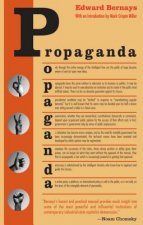
Propaganda
343 Kč -

Natural Right and History
444 Kč -
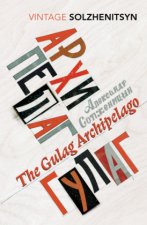
The Gulag Archipelago
317 Kč -

Red Horizons
442 Kč -
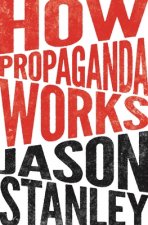
How Propaganda Works
334 Kč -
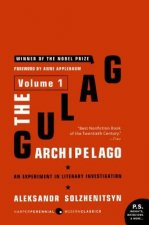
The Gulag Archipelago, 1918-1956
381 Kč -
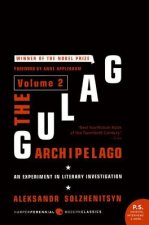
The Gulag Archipelago, 1918-1956
381 Kč -
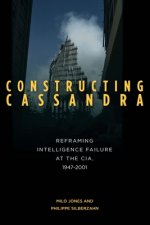
Constructing Cassandra
876 Kč -

Cultural Cold War
555 Kč -

Re-enchanting The World
423 Kč -

Fire Next Time
219 Kč -

On Liberty And Utilitarianism
336 Kč -
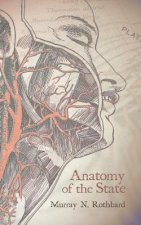
Anatomy of the State
256 Kč -

Dear Leader
423 Kč -
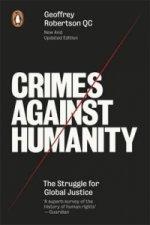
Crimes Against Humanity
491 Kč -
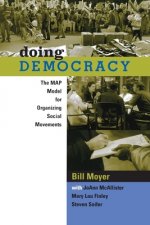
Doing Democracy
334 Kč -
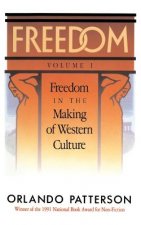
Freedom
690 Kč -
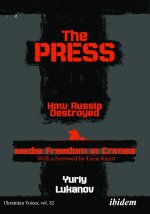
The Press: How Russia destroyed Media Freedom in Crimea
554 Kč -

Straight State
608 Kč -

Flying Close To The Sun
351 Kč -

International Human Rights Lexicon
1496 Kč -
On Liberty
248 Kč -
International Law: A Very Short Introduction
236 Kč -

Victory Lab
342 Kč -

Anarchy
193 Kč -

Gift of Love
284 Kč -
Understanding Ukraine
370 Kč -
Public Diplomacy - Foundations for Global Engagement in the Digital Age
552 Kč -

Liberal Virus
514 Kč -

From a Native Daughter
679 Kč -
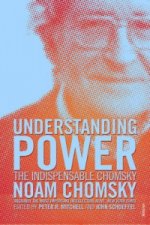
Understanding Power
380 Kč -
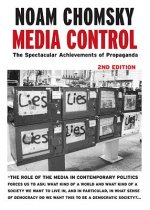
Media Control - Post-9/11 Edition
226 Kč -
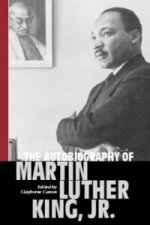
Autobiography Of Martin Luther King, Jr
317 Kč -
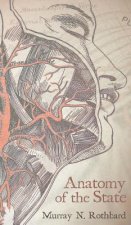
Anatomy of the State
367 Kč -

Handbook of Tyranny
664 Kč -
Migrations And Cultures
662 Kč -

The Net Delusion
278 Kč -
Domination and the Arts of Resistance
470 Kč -

Parkland: Birth of a Movement
392 Kč -

Manufacture of Madness
334 Kč -
Malcolm X Speaks
275 Kč -
Power of the Powerless
1422 Kč -

Engineers Of The Soul
604 Kč -
Argentina and the Jews
875 Kč -
Human Dignity
692 Kč -

Liberty
1141 Kč
Osobní odběr Praha, Brno a 46879 dalších
Copyright ©2008-26 nejlevnejsi-knihy.cz Všechna práva vyhrazenaSoukromíCookies

 Vrácení do měsíce
 571 999 099 (8-15.30h)