
Kód: 08744019
Impurity and Death
Autor Chikara Abe
Personal impurity caused by childbirth, menstrual blood or death is an issue of concern prevalent in many cultures. In Japan, the generic term for these kinds of impurities is kegare and death impurity, a sub-type of kegare, is k ... celý popis


- Jazyk:
 Angličtina
 - Vazba: Brožovaná
- Počet stran: 108
Nakladatelství: Dissertation.Com. - Do Not Use, 2003
- Více informací o knize


Mohlo by se vám také líbit
-

Moonwalk
270 Kč -

The Score
248 Kč -

The Deal
248 Kč -

The Mistake
227 Kč -

Jujutsu Kaisen, Vol. 30
233 Kč -

Witch Hat Atelier: Grimoire Edition 1
777 Kč -

Invincible Compendium Volume 2
1123 Kč -

Berserk Deluxe Volume 1
804 Kč -

The Goal
321 Kč -

Berserk Deluxe Volume 2
862 Kč -

Invincible Compendium Volume 1
1108 Kč -
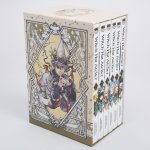
Witch Hat Atelier Manga Box Set 1
1241 Kč -

Heated Rivalry
227 Kč -

Murdoku
380 Kč -

Moonwalk: A Memoir
558 Kč -

Lord of Mysteries, Vol. 3: The Clown, Part III
355 Kč -

Jujutsu Kaisen, Vol. 25
240 Kč -

Jujutsu Kaisen, Vol. 26
240 Kč -

White Nights
89 Kč -

Veil Volume 1
292 Kč -

Berserk Deluxe Volume 3
804 Kč
Dárkový poukaz: Radost zaručena
- Darujte poukaz v libovolné hodnotě a my se postaráme o zbytek.
- Poukaz se vztahuje na celou naši nabídku.
- Elektronický poukaz vytisknete z e-mailu a můžete ihned darovat.
- Platnost poukazu je 12 měsíců od data vystavení.
Více informací o knize Impurity and Death
Nákupem získáte 60 bodů
 Anotace knihy
Personal impurity caused by childbirth, menstrual blood or death is an issue of concern prevalent in many cultures. In Japan, the generic term for these kinds of impurities is kegare and death impurity, a sub-type of kegare, is known as shi-e. The major topic of this book is death impurity. The definition and genesis of shi-e are explained. In addition, details of the influence shi-e had on ancient Japanese society as well as its continuing influence on modern Japanese society are given. Three hypotheses are stated and supported: (1) the shi-e concept began in Japan during the Yayoi period (300 BC - 300 AD) rather than at a later date as previously hypothesized; (2) the basis for the aversion to dead bodies, i.e. shi-e, is that corpses remind people of the fact that they will soon die; (3) Buddhism and Shintoism merged in Japan because of the impact of shi-e on Shintoism. This book concludes with some comments on the relevance of knowledge of the death impurity for students of Japanese history, culture and society.
Parametry knihy
Zařazení knihy Knihy v angličtině Society & social sciences Society & culture: general
598 Kč
- Plný název: Impurity and Death
- Podnázev: A Japanese Perspective
- Autor: Chikara Abe
- Jazyk: Angličtina
- Vazba: Brožovaná
- Počet stran: 108
- EAN: 9781581121957
- ISBN: 9781581121957
- ID: 08744019
- Nakladatelství: Dissertation.Com. - Do Not Use
- Hmotnost: 209 g
- Rozměry: 247 × 187 × 8 mm
- Datum vydání: 15. October 2003
Osobní odběr Praha, Brno a 47405 dalších
Copyright ©2008-26 nejlevnejsi-knihy.cz Všechna práva vyhrazenaSoukromíCookies

 Vrácení do měsíce
 571 999 099 (8-15.30h)