Kód: 10011918
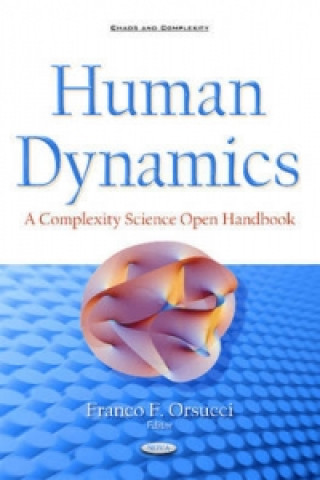
Human Dynamics
Autor Franco F Orsucci
The classical Roman poet, Titus Lucretius Carus (c. 99 BC c. 55 BC), described the clinamen, or swerve, as an occurrence that we now call singularity, also popularised as the butterfly effect. His poem, De Rerum Natura (On the Nat ... celý popis


- Jazyk:
 Angličtina
 - Vazba: Pevná
- Počet stran: 302
Nakladatelství: Nova Science Publishers Inc, 2016
- Více informací o knize

6103 Kč
Dostupnost:
50 % šance Máme informaci, že by titul mohl být dostupný. Na základě vaší objednávky se ho pokusíme do 6 týdnů zajistit.
Prohledáme celý svět
Mohlo by se vám také líbit
-

InvestiGators
226 Kč -

My Amy: The Life We Shared
334 Kč -
Mikrotužka Pentel GraphGear PG315 - bílá 0,5mm
93 Kč -

Bad Apple
257 Kč -

Internet Is Not What You Think It Is
714 Kč -

Proč potřebujeme Dalajlamu
250 Kč -

Fermented Foods vol. 3: Water Kefir
217 Kč -

Lucky Luke 1: La diligence
411 Kč -

Gorzka czekolada i inne opowiadania o ważnych sprawach
259 Kč -

Tank Girl - Armadillo and a Bushel of Other Stories
202 Kč -

Strategic Design
821 Kč -

Human Malignancies
2357 Kč -

La relazione genitore-bambino tra adeguatezza e rischio
961 Kč -

Ithakám partját elértem... lekötöm hajómat
307 Kč -

Ausschuttungspolitik personenbezogener Kapitalgesellschaften unter Berucksichtigung der Einfuhrung des Halbeinkunfteverfahrens
975 Kč -

Eric
481 Kč -

Secret of Guidance
348 Kč -

Human Biology Wallchts Pack(10
1079 Kč -

Dream Spaces
4266 Kč -

Poems for My Boyfriend on His Birthday: Poetry Written for Someone Special, by You, with a Little Help from Us
154 Kč -

Televizyon Haberlerinin Gelisen ve Degisen Biçimsel Yapisi
1318 Kč -

Sports Related Injuries in Weight Training
997 Kč -

Complex Human Dynamics
2357 Kč -

Ferrari
406 Kč -

Hochfürstlich Pfaltz-Zweybrückische Neu Auffgelegte Zoll- Und Geleits-Ordnung...
287 Kč -

L'Economie de La Revolution Francaise
1166 Kč -

Explanation in Ethics and Mathematics
2498 Kč -

Report on Education in Texas and Recommendations Made to the Governor and the Thirty-Seventh Legislature
321 Kč
Dárkový poukaz: Radost zaručena
- Darujte poukaz v libovolné hodnotě a my se postaráme o zbytek.
- Poukaz se vztahuje na celou naši nabídku.
- Elektronický poukaz vytisknete z e-mailu a můžete ihned darovat.
- Platnost poukazu je 12 měsíců od data vystavení.
Informovat o naskladnění knihy
Zadejte do formuláře e-mailovou adresu a jakmile knihu naskladníme, zašleme vám o tom zprávu. Pohlídáme vše za vás.
Více informací o knize Human Dynamics
Nákupem získáte 610 bodů
 Anotace knihy
The classical Roman poet, Titus Lucretius Carus (c. 99 BC c. 55 BC), described the clinamen, or swerve, as an occurrence that we now call singularity, also popularised as the butterfly effect. His poem, De Rerum Natura (On the Nature of Things), reminds us that an awareness of the intrinsic complexity of natural dynamics has been present for a very long times in human culture (Lucretius, 54BC in 1971; Greenblatt, 2011). It is quite recently, however, that complexity has become a suitable scientific approach. The meta-paradigm of Complexity Science crosses over different disciplines, from physics and mathematics to biology, social sciences, and now psychotherapy. Complexity Science is the scientific toolbox for complex dynamical systems. This definition comprehends a series of sub-disciplines: dissipative systems, cellular automata, fractals, catastrophes, self-organisation, self-organised criticality, chaos theory, fuzzy logic, stochastic resonance, cellular automata, neural networks, genetic algorithms, and others.
Parametry knihy
Zařazení knihy Knihy v angličtině Medicine Other branches of medicine Clinical psychology
6103 Kč
- Plný název: Human Dynamics
- Podnázev: A Complexity Science Open Handbook
- Autor: Franco F Orsucci
- Jazyk: Angličtina
- Vazba: Pevná
- Počet stran: 302
- EAN: 9781634840545
- ISBN: 9781634840545
- ID: 10011918
- Nakladatelství: Nova Science Publishers Inc
- Hmotnost: 786 g
- Rozměry: 186 × 260 × 24 mm
- Datum vydání: 01. February 2016
Oblíbené z jiného soudku
-

Gift Of Therapy
292 Kč -

Alchemy
444 Kč -

Love's Executioner
292 Kč -

Somato Emotional Release
574 Kč -

Manual of Psychomagic
358 Kč -

Dancing in the Flames
491 Kč -

Wisdom of Psychopaths
280 Kč -

Becoming Myself
334 Kč -

Cognitive Behavioural Therapy (CBT)
294 Kč -

Teaching the Mindful Self-Compassion Program
1407 Kč -

Beyond the Brain
624 Kč -

Learned Helplessness
1248 Kč -

Remarkable Healings
604 Kč -

Intentional Interviewing and Counseling
2059 Kč -

On Divination and Synchronicity
444 Kč -

Play Therapy - The Inner Dynamics of Childhood
774 Kč -

Change
708 Kč -

Affect Regulation and the Origin of the Self
2941 Kč -

Without Conscience
489 Kč -

Attachment Theory in Practice
1192 Kč -

Cognitive Therapy and the Emotional Disorders
292 Kč -

Addiction to Perfection
476 Kč -

Schopenhauer's Porcupines
334 Kč -

Getting Over OCD
407 Kč -

Mastering Your Adult ADHD
1022 Kč -

Healing Path for Womb Twin Survivors
515 Kč -

Neurofeedback in the Treatment of Developmental Trauma
1067 Kč -

Gnostic Jung and the Seven Sermons to the Dead
393 Kč -

DBT Solution for Emotional Eating
334 Kč -

Schema Therapy with Couples
1072 Kč -

History of Madness
761 Kč -

On Becoming a Jungian Sandplay Therapist
1227 Kč -

Raising Self-Esteem in Adults
884 Kč -
Nurturing Resilience
365 Kč -

Cognitive Behavior Therapy
1659 Kč -

Maps of Narrative Practice
985 Kč -

Healing the Fragmented Selves of Trauma Survivors
1101 Kč -

Wise Heart
365 Kč -

Pragmatics of Human Communication
728 Kč -

Overcoming Social Anxiety and Shyness, 2nd Edition
344 Kč -

Eye Movement Desensitization and Reprocessing (EMDR) Therapy
2002 Kč -

Trauma and Recovery
382 Kč -

Body, Breath, and Consciousness
372 Kč -

10 Principles for Doing Effective Couples Therapy
747 Kč -

Introduction to Cognitive Behaviour Therapy
1084 Kč -

Cognitive Behavior Therapy and Eating Disorders
1453 Kč -
Overcoming Low Self-Esteem, 2nd Edition
292 Kč -

Contextual Schema Therapy
1192 Kč -

Overcoming Anger and Irritability, 2nd Edition
344 Kč
Osobní odběr Praha, Brno a 48004 dalších
Copyright ©2008-26 nejlevnejsi-knihy.cz Všechna práva vyhrazenaSoukromíCookies

 Vrácení do měsíce
 571 999 099 (8-15.30h)