Kód: 02704911
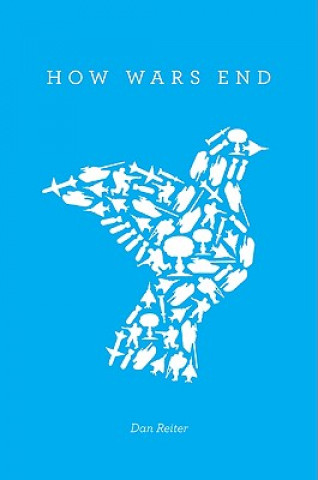
How Wars End
Autor Dan Reiter
Why do some countries choose to end wars short of total victory while others fight on, sometimes in the face of appalling odds? "How Wars End" argues that two central factors shape war-termination decision making: information abou ... celý popis


- Jazyk:
 Angličtina
 - Vazba: Brožovaná
- Počet stran: 320
Nakladatelství: Princeton University Press, 2009
- Více informací o knize


Mohlo by se vám také líbit
-

La bella estate
258 Kč -

Super Minds Level 4 Super Practice Book British English
278 Kč -

Kenhub Atlas of Human Anatomy
1109 Kč -

Spy x Family - Band 9
162 Kč -

Comic Sketch Book - A Course For Comic Book Creators
630 Kč -

Fokker Dr. 1: Germany's Famed Triplane in World War I
415 Kč -

Doing CBT: A Comprehensive Guide to Working with Behaviors, Thoughts, and Emotions
1865 Kč -

SENTINEL
194 Kč -

The Book of Silver Linings
288 Kč -

Persistence of the Old Regime
624 Kč -

DRAGON BALL - Premium Wallet "Shenron"
569 Kč -

Counting the Cost
267 Kč -

Teaching Bodies
892 Kč -

Louis Kahn: Drawing to Find Out
1634 Kč -

Apologie de Monsieur Jansenius Evesque d'Ipre
524 Kč -

Crucible of Resistance
2998 Kč -

Acquiring Skill in Sport: An Introduction
6395 Kč -

Commentary on the DAfStb Guideline "Strengthening of concrete members with adhesively bonded reinforcement" with Examples
1788 Kč -

Der Zopf
195 Kč -

Contesting Psychiatry
4967 Kč -

Back from the Ashes
274 Kč -

Kosoglos
149 Kč -

Recueil De Pieces: Sur Un Nouveau Fusil (1777)
467 Kč -

The North American Crinoidea Camerata; v.3
576 Kč -

Regulation of Bacterial Virulence
4949 Kč -

FOTOGRAFIAS DE MADRID AYER Y HOY
745 Kč -

Enfoques nanotecnológicos innovadores para los retos de la agricultura moderna
893 Kč -

52 Cosas Que Martha Desea Que Arturo Sepa: Una Manera Diferente de Decirlo
403 Kč -

A HISTORY OF MATHEMATICAL NOTATIONS V1:
1186 Kč -

Photophysique et photochimie
2261 Kč -

Le Rhum Clément
1030 Kč -

Made in England: Die Filme von Powell and Pressburger
562 Kč -

Das Feuer brennt noch immer
316 Kč -

Collaboration / La Colaboracion
318 Kč -

Guide de l'Inventeur Dans Les Principaux Etats de l'Europe, Ou Precis Des Lois Et Reglements
423 Kč -

Marrying Her Rich Asian Widower: A BWAM Marriage Romance For Adults
279 Kč -

Project Management - A Practical Handbook: Italian Edition
362 Kč -

Book-auction records; A Priced and Annotated record of London Book Auctions (Volume V)
1014 Kč -

Mi querido caníbal
488 Kč -

The Goose Girl (Traditional Chinese): 09 Hanyu Pinyin with IPA Paperback Color
299 Kč -

Document Sur La Question de Savoir Si Les Anciens Sires de Pons, Defaillis En Ligne Directe Dans
311 Kč -

History of Modernist Literature
2530 Kč
Dárkový poukaz: Radost zaručena
- Darujte poukaz v libovolné hodnotě a my se postaráme o zbytek.
- Poukaz se vztahuje na celou naši nabídku.
- Elektronický poukaz vytisknete z e-mailu a můžete ihned darovat.
- Platnost poukazu je 12 měsíců od data vystavení.
Více informací o knize How Wars End
Nákupem získáte 102 bodů
 Anotace knihy
Why do some countries choose to end wars short of total victory while others fight on, sometimes in the face of appalling odds? "How Wars End" argues that two central factors shape war-termination decision making: information about the balance of power and the resolve of one's enemy, and fears that the other side's commitment to abide by a war-ending peace settlement may not be credible. Dan Reiter explains how information about combat outcomes and other factors may persuade a warring nation to demand more or less in peace negotiations, and why a country might refuse to negotiate limited terms and instead tenaciously pursue absolute victory if it fears that its enemy might renege on a peace deal. He fully lays out the theory and then tests it on more than twenty cases of war-termination behavior, including decisions during the American Civil War, the two world wars, and the Korean War. Reiter helps solve some of the most enduring puzzles in military history, such as why Abraham Lincoln issued the Emancipation Proclamation, why Germany in 1918 renewed its attack in the West after securing peace with Russia in the East, and why Britain refused to seek peace terms with Germany after France fell in 1940. "How Wars End" concludes with a timely discussion of twentieth-century American foreign policy, framing the Bush Doctrine's emphasis on preventive war in the context of the theory.
Parametry knihy
Zařazení knihy Knihy v angličtině Society & social sciences Politics & government International relations
1017 Kč
- Plný název: How Wars End
- Autor: Dan Reiter
- Jazyk: Angličtina
- Vazba: Brožovaná
- Počet stran: 320
- EAN: 9780691140605
- ISBN: 069114060X
- ID: 02704911
- Nakladatelství: Princeton University Press
- Hmotnost: 480 g
- Rozměry: 234 × 156 × 21 mm
- Datum vydání: 06. September 2009
Oblíbené z jiného soudku
-

Diplomacy
505 Kč -

World Order
276 Kč -

Clash of Civilizations and the Remaking of World Order
325 Kč -

Going to Tehran
536 Kč -

On Palestine
219 Kč -

Structured Analytic Techniques for Intelligence Analysis
3827 Kč -

Tragedy of Great Power Politics
373 Kč -

Grand Chessboard
491 Kč -

How Spies Think
260 Kč -

PEACE TO END ALL PEACE
441 Kč -

Planetary Cycles Mundane Astrology
403 Kč -

Israel Lobby and US Foreign Policy
335 Kč -

Countdown to Zero Day
335 Kč -

European Union: A Very Short Introduction
225 Kč -

Righteous Victims
428 Kč -

Lords of the Desert
219 Kč -

Revenge of Geography
358 Kč -

Hell of Good Intentions
350 Kč -

Political Order and Political Decay
325 Kč -

Secret World
373 Kč -

Geopolitics: A Very Short Introduction
236 Kč -

Treacherous Alliance
444 Kč -

Naked Diplomat
292 Kč -

Evolution of Cooperation
444 Kč -

Future War and the Defence of Europe
839 Kč -

Chaos in the Liberal Order
59 Kč -

Dawn of Eurasia
292 Kč -

Man Without A Face
454 Kč -

Future of Intelligence
515 Kč -

American Century and Beyond
443 Kč -

Last Soldiers of the Cold War
538 Kč -

Super Continent
841 Kč -

Deception
2828 Kč -

Target-Centric Network Modeling
2828 Kč -

World Order
260 Kč -

The Spy and the Traitor
260 Kč -

OVERTHROW : AMERICA'S CENTURY OF REGIME
428 Kč -

Adults In The Room
292 Kč -

Search for the "Manchurian Candidate"
329 Kč -

Prisoners of Geography
529 Kč -

Cold War
400 Kč -

Face of Imperialism
1247 Kč -

Strategic Vision
325 Kč -

Legacy of Ashes
326 Kč -

Who Rules the World?
202 Kč -

Craft of Intelligence
372 Kč -

Evolution of Co-Operation
314 Kč -

Future of Power
334 Kč -

Against Our Better Judgment
231 Kč
Osobní odběr Praha, Brno a 46735 dalších
Copyright ©2008-26 nejlevnejsi-knihy.cz Všechna práva vyhrazenaSoukromíCookies

 Vrácení do měsíce
 571 999 099 (8-15.30h)