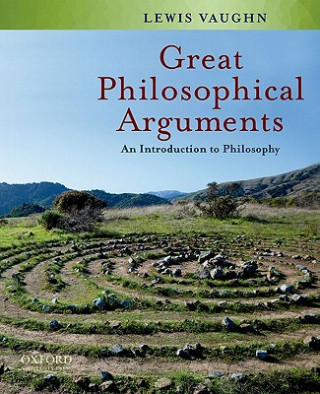
Kód: 04518228
Great Philosophical Arguments
Autor Lewis Vaughn
Great Philosophical Arguments is based on the fact that much of the power, drama, and pleasure of philosophy comes from argument--specifically from the many touchstone arguments that generated much of the philosophical canon. Like ... celý popis


- Jazyk:
 Angličtina
 - Vazba: Brožovaná
- Počet stran: 688
Nakladatelství: Oxford University Press Inc, 2011
- Více informací o knize

3942 Kč

Skladem u dodavatele v malém množství
Odesíláme za 11-15 dnů
Potřebujete více kusů?Máte-li zájem o více kusů, prověřte, prosím, nejprve dostupnost titulu na naši zákaznické podpoře.
Přidat mezi přání
Mohlo by se vám také líbit
-

Collide
220 Kč -

Millionaire Real Estate Agent
480 Kč -

Get In My Swamp
255 Kč -

Guns Germs and Steel
568 Kč -

Faber Piano Adventures
163 Kč -

Peregrine
302 Kč -
Atlas of Electroencephalography -- Volume 2
3206 Kč -

Attack on Titan Deluxe 1
480 Kč -

FOR THE RECORD
303 Kč -

LEGO (R) City. Merry Christmas
161 Kč -

Obrázkové básničky
184 Kč -

Augustín
153 Kč -

Invincible 1
590 Kč -
Oxford practice grammar advanced supplementary exercises
193 Kč -

I Am Thankful
242 Kč -

Zákon pěti klasů
118 Kč -

Živnostenský zákon Zákon o živnostenských úřadech
921 Kč -

XXX
661 Kč -

Complete IELTS Bands 4-5 Class Audio CDs (2)
1012 Kč -
Atlas of Laparoscopic and Robotic Urologic Surgery
5725 Kč -

Event Management
976 Kč -

Compromise of Return
886 Kč -

QuickBooks Online for Dummies, 2025 Edition
618 Kč -

Research Handbook on Hedge Funds, Private Equity and Alternative Investments
1994 Kč -

Promise and Perils of Devolution
3929 Kč -

Ein heilsame Lere, wie das Herz ... durch die sieben Seligkeit ... auff das Wort Gottes gebauet wird
718 Kč -

Deutschland, Sein Volk Und Seine Sitten. in Geographisch-Ethnographischen Charakterbildern Mit Vielen Abbildungen.
728 Kč -

Great Flood
132 Kč -

Killer Queens
189 Kč -

PETITS GRIS ET GRANDS ESPRITS : QUAND LA POESIE DAILY-BURLESQUE SE MET AU VERT
389 Kč -

Proxima Decada
595 Kč -

Persevering Witness
1208 Kč -

How2 Paint Helmets: Painting for Money
419 Kč -

Logic And Argument (1899)
685 Kč -

Peer Gynt
341 Kč -
M Emoires...
571 Kč -
Preceptoría médica en urgencias hospitalarias: perspectivas de los médicos
1014 Kč -
The Doctrine Of Annuities And Reversions, Deduced From General And Evident Principles: With Useful Tables, Showing The Values Of Single And Joint Live
532 Kč -

Elaboración y presentación de postres de cocina
502 Kč -

Magic Doe
2044 Kč -

Die drei !!! 08. Vorsicht, Strandhaie (drei Ausrufezeichen)
253 Kč -

The Clever Sheikh of the Butana and Other Stories: Sudanese Folk Tales
318 Kč -

His Disciples Replicate
339 Kč -

Depois da Idade Media o diabolico invade a Idade Midia
1681 Kč -

Last Jewish Gangster
341 Kč -
Specimen Sight-Reading Tests for Recorder, Grades 1-5
358 Kč -

Max Clifford: Read All About It
607 Kč -

Strategy, Innovation, and Change
2036 Kč -

Beyond Self-Help
729 Kč -

Girl That Turned Into a Woman
362 Kč -
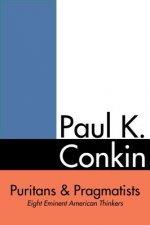
Puritans and Pragmatists
1088 Kč -
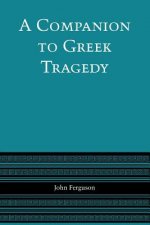
Companion to Greek Tragedy
1612 Kč -

Old English Version of Bede's Historia Ecclesiastica
3302 Kč -

Women and Aging
2827 Kč -

Evolutionary Paleobiology
3976 Kč -

Boundary
205 Kč
Dárkový poukaz: Radost zaručena
- Darujte poukaz v libovolné hodnotě a my se postaráme o zbytek.
- Poukaz se vztahuje na celou naši nabídku.
- Elektronický poukaz vytisknete z e-mailu a můžete ihned darovat.
- Platnost poukazu je 12 měsíců od data vystavení.
Více informací o knize Great Philosophical Arguments
Nákupem získáte 394 bodů
 Anotace knihy
Great Philosophical Arguments is based on the fact that much of the power, drama, and pleasure of philosophy comes from argument--specifically from the many touchstone arguments that generated much of the philosophical canon. Like other topically organized introductory philosophy readers, this book is organized around the main areas of philosophy: the existence of God, knowledge and skepticism, mind and body, free will and determinism, ethics, and contemporary ethical debates, including abortion, euthanasia, and global hunger and poverty. But what is unique is the systematic focus on argument. The reading selections are organized by argument. Each argument is introduced by a briefing that (1) sketches the argument, (2) provides conceptual background for it, and (3) reviews some of the main philosophical responses to it. After the briefing come two to four selections presenting the classic statement of the argument, critiques and defenses of it, and discussions of related debates. At the end of each agrument are useful essay questions for further analysis. Vaughn's approach focuses students' attention on argumentation, where much of the philosophical work gets done; it gives them clear points of reference for navigating material in which they often get lost; and it helps them understand and appreciate the philosophical dialectic-the interplay of argument and counterargument among articles and authors. An introductory Chapter One explains the concerns and methods of philosophy, explains its practical and theoretical benefits, and provides a short lesson in identifying, constructing, and assessing arguments. Each chapter has an extensive introduction to the issue and arguments, and essay questions at chapter endings urge reflection on the chapter as a whole. Other pedagogical features include biographical text boxes, bold key terms lists at the ends of chapters and collected in an end-of-book glossary, suggestions for further readings, and an appendix on How to Write an Argumentative Essay. An Instructor's Manual and Testbank on CD features chapter summaries, reading summaries, lecture outlines in PowerPoint format, and objective test questions for use in exams or midterms. A Companion Website for both students and instructors at www.oup. com/us/vaughn includes all the material from the Instructor's Manual and Testbank, and such resources for students as study questions, interactive quizzes, flashcards with key words, and helpful web links. Message: The only introduction to philosophy textbook that teaches students to think critically about philosophical arguments-that shows students how to identify, understand, and critique philosophical arguments.
Parametry knihy
Zařazení knihy Knihy v angličtině Humanities Philosophy
3942 Kč
- Plný název: Great Philosophical Arguments
- Podnázev: An Introduction to Philosophy
- Autor: Lewis Vaughn
- Jazyk: Angličtina
- Vazba: Brožovaná
- Počet stran: 688
- EAN: 9780195342604
- ISBN: 0195342607
- ID: 04518228
- Nakladatelství: Oxford University Press Inc
- Hmotnost: 1058 g
- Rozměry: 232 × 190 × 26 mm
- Datum vydání: 29. October 2011
Oblíbené z jiného soudku
-

The Conspiracy Against the Human Race
301 Kč -

Philosophy of Zen Buddhism
361 Kč -
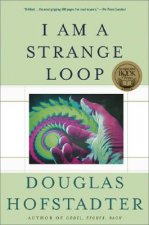
I Am a Strange Loop
365 Kč -
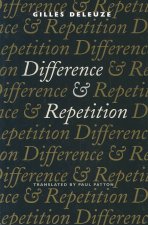
Difference and Repetition
442 Kč -

Nietzsche and Philosophy
442 Kč -

Republic
496 Kč -
Teachings of Don Juan
194 Kč -
Art of Worldly Wisdom
237 Kč -

Illuminations
260 Kč -
On Ideology
287 Kč -
Use of Pleasure
303 Kč -

Three Critiques, 3-volume Set
1984 Kč -
Letters from a Stoic - The Ancient Classic
255 Kč -

Simulations
261 Kč -

What Does It All Mean?
765 Kč -

I am That
889 Kč -

Men Among the Ruins
441 Kč -
One-Dimensional Man
412 Kč -
Imitation of Christ
95 Kč -

How the World Thinks
244 Kč -

In Search of Being
482 Kč -
Science, Politics & Gnosticism
250 Kč -
Wisdom of Life
147 Kč -
Built to Last
381 Kč -

Mortal Questions
350 Kč -
Philosophical Dictionary
274 Kč -

On Liberty
154 Kč -
The Consolations of Philosophy
319 Kč -
Philosophy of Freedom
337 Kč -

Technics and Time, 2
618 Kč -

Antichrist
95 Kč -

Machiavelli: The Art of Teaching People What to Fear
313 Kč -
Monkey Business
325 Kč -

Mode One
554 Kč -
Imaginary Institution of Society
706 Kč -

Hidden Third
323 Kč -

For the Time Being
303 Kč -
Time and Free Will: an Essay on the
291 Kč -

Infocracy: Digitization and the Crisis of Democrac y
391 Kč -

Bhagavad Gita as it is
374 Kč -

Human Happiness
190 Kč -

Sacred Dance Meditations
435 Kč -

Upside down: a Primer for the Looking-Glass World
428 Kč -

People's History Of Civilization
297 Kč -
Expanse and Philosophy - So Far Out Into the Darkness
396 Kč -

German Idealism
1311 Kč -

Ultimate Star Trek and Philosophy
318 Kč -

Spinoza
505 Kč -

Between Kant and Hegel
917 Kč
Osobní odběr Praha, Brno a 46633 dalších
Copyright ©2008-26 nejlevnejsi-knihy.cz Všechna práva vyhrazenaSoukromíCookies

 Vrácení do měsíce
 571 999 099 (8-15.30h)