
Kód: 41922535
Getting Started in Mathematical Life Sciences
Autor Makoto Sato
This book helps the reader make use of the mathematical models of biological phenomena starting from the basics of programming and computer simulation. Computer simulations based on a mathematical model enable us to find a novel b ... celý popis


- Jazyk:
 Angličtina
 - Vazba: Pevná
- Počet stran: 206
Nakladatelství: Springer Verlag, Singapore, 2023
- Více informací o knize


Mohlo by se vám také líbit

Dárkový poukaz: Radost zaručena
- Darujte poukaz v libovolné hodnotě a my se postaráme o zbytek.
- Poukaz se vztahuje na celou naši nabídku.
- Elektronický poukaz vytisknete z e-mailu a můžete ihned darovat.
- Platnost poukazu je 12 měsíců od data vystavení.
Více informací o knize Getting Started in Mathematical Life Sciences
Nákupem získáte 127 bodů
 Anotace knihy
This book helps the reader make use of the mathematical models of biological phenomena starting from the basics of programming and computer simulation. Computer simulations based on a mathematical model enable us to find a novel biological mechanism and predict an unknown biological phenomenon. Mathematical biology could further expand the progress of modern life sciences. Although many biologists are interested in mathematical biology, they do not have experience in mathematics and computer science. An educational course that combines biology, mathematics, and computer science is very rare to date. Published books for mathematical biology usually explain the theories of established mathematical models, but they do not provide a practical explanation for how to solve the differential equations included in the models, or to establish such a model that fits with a phenomenon of interest. MATLAB is an ideal programming platform for the beginners of computer science. This book starts from the very basics about how to write a programming code for MATLAB (or Octave), explains how to solve ordinary and partial differential equations, and how to apply mathematical models to various biological phenomena such as diabetes, infectious diseases, and heartbeats. Some of them are original models, newly developed for this book. Because MATLAB codes are embedded and explained throughout the book, it will be easy to catch up with the text. In the final chapter, the book focuses on the mathematical model of the proneural wave, a phenomenon that guarantees the sequential differentiation of neurons in the brain. This model was published as a paper from the author's lab (Sato et al., PNAS 113, E5153, 2016), and was intensively explained in the book chapter "Notch Signaling in Embryology and Cancer", published by Springer in 2020. This book provides the reader who has a biological background with invaluable opportunities to learn and practice mathematical biology.
Parametry knihy
1269 Kč
- Plný název: Getting Started in Mathematical Life Sciences
- Podnázev: From MATLAB Programming to Computer Simulations
- Autor: Makoto Sato
- Jazyk: Angličtina
- Vazba: Pevná
- Počet stran: 206
- EAN: 9789811982569
- ID: 41922535
- Nakladatelství: Springer Verlag, Singapore
- Hmotnost: 474 g
- Rozměry: 235 × 155 mm
- Datum vydání: 23. February 2023
Oblíbené z jiného soudku
-

Murdoku
309 Kč -

Berserk Deluxe Volume 1
886 Kč -

Threshing Day (Wing and Claw Collection)
400 Kč -

Moonwalk
275 Kč -

Threshing Day (Limited Deluxe Edition)
473 Kč -

Berserk Deluxe Volume 2
916 Kč -

White Nights
89 Kč -

The Score
238 Kč -

Dancing The Dream
554 Kč -

The Odyssey
365 Kč -

Berserk Deluxe Volume 3
778 Kč -

Kid's Box New Generation Level 2 Activity Book with Digital Pack British English
251 Kč -

The Mistake
228 Kč -

Murdoku Volume 2: Back in Time
309 Kč -

Onyx Storm (Deluxe Limited Edition) (The Empyrean, 3)
549 Kč -

Jujutsu Kaisen, Vol. 26
199 Kč -

Lord of Mysteries, Vol. 1: The Clown, Part I
350 Kč -

Kid's Box New Generation Level 2 Pupil's Book with eBook British English
376 Kč -
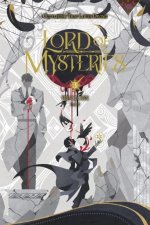
Lord of Mysteries, Vol. 3: The Clown, Part III
354 Kč -

Kid's Box New Generation Level 1 Activity Book with Digital Pack British English
288 Kč -

The Deal
237 Kč -

The Count of Monte Cristo
245 Kč -

Berserk Deluxe Volume 5
852 Kč -

Kid's Box New Generation Level 3 Activity Book with Digital Pack British English
251 Kč -

Jujutsu Kaisen, Vol. 30
220 Kč -

Fourth Wing
525 Kč -

Kid's Box New Generation Level 1 Pupil's Book with eBook British English
522 Kč -

Berserk Deluxe Volume 4
877 Kč -

Iron Flame
525 Kč -

JoJo's Bizarre Adventure: Part 7--Steel Ball Run, Vol. 7
427 Kč -

The Goal
245 Kč -

The Courage To Be Disliked
214 Kč -

Witch Hat Atelier: Grimoire Edition 1
777 Kč -

Witch Hat Atelier: Grimoire Edition 2
777 Kč -
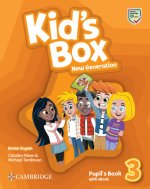
Kid's Box New Generation Level 3 Pupil's Book with eBook British English
409 Kč -

Heartstopper Volume 6
315 Kč -

Chainsaw Man, Vol. 21
240 Kč -
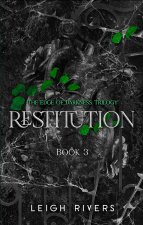
Restitution
227 Kč -

The Iliad
369 Kč -

Yesteryear
335 Kč -

Berserk Deluxe Volume 7
877 Kč -

Kid's Box New Generation Level 4 Activity Book with Digital Pack British English
291 Kč -

Veil Volume 1
368 Kč -

Invincible Compendium Volume 3
1123 Kč -

East of Eden
276 Kč -

Onyx Storm
227 Kč -

Jujutsu Kaisen, Vol. 1
235 Kč -
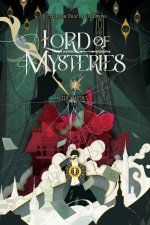
Lord of Mysteries, Vol. 2: The Clown, Part II
361 Kč -

Berserk Deluxe Volume 6
916 Kč
Osobní odběr Praha, Brno a 48536 dalších
Copyright ©2008-26 nejlevnejsi-knihy.cz Všechna práva vyhrazenaSoukromíCookies

 Vrácení do měsíce
 571 999 099 (8-15.30h)