Kód: 04683067
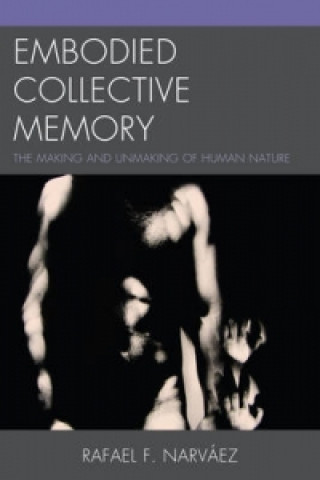
Embodied Collective Memory
Autor Rafael F. Narvaez
The human body is not a given fact; it is not, as Descartes believed, a "machine made up of flesh and bones." The body is acquired, achieved, and learned. It is thus full of mimetic and mnemonic implications. The body remembers, a ... celý popis


- Jazyk:
 Angličtina
 - Vazba: Brožovaná
- Počet stran: 230
Nakladatelství: University Press of America, 2012
- Více informací o knize


Mohlo by se vám také líbit
-

Republic of Letters
1034 Kč -

Precipitacion Pluvial y Su Efecto En La Salud
997 Kč -

Financial Competency... A Roadmap to Financial Well Being
353 Kč -

Inquiry-Based Learning for Faculty and Institutional Development
3637 Kč -

Native Recognition
2363 Kč -

Devil's Train
293 Kč -

Farmers on Welfare
1873 Kč
Dárkový poukaz: Radost zaručena
- Darujte poukaz v libovolné hodnotě a my se postaráme o zbytek.
- Poukaz se vztahuje na celou naši nabídku.
- Elektronický poukaz vytisknete z e-mailu a můžete ihned darovat.
- Platnost poukazu je 12 měsíců od data vystavení.
Více informací o knize Embodied Collective Memory
Nákupem získáte 118 bodů
 Anotace knihy
The human body is not a given fact; it is not, as Descartes believed, a "machine made up of flesh and bones." The body is acquired, achieved, and learned. It is thus full of mimetic and mnemonic implications. The body remembers, and it does so in collectively relevant ways. Gestures, corporeal and phonetic rhythms, affective idioms, and emotional styles - perceptual, sensorial, motoric, and affective schemata - are all largely learned in shared social contexts. These aspects of the embodied experience are often consigned to habit, to bodily automatisms, and to corporeal memories that reflect aspects of culture. But if the body reflects certain aspects of culture that press to become naturalized and organically attached to social actors, it also resists these kinds of cultural pressures. These adaptive and resistive dynamics, as this book shows, are not without consequences for individuals and groups. These processes can result in both advantages and disadvantages for social actors. They can take us toward certain futures while foreclosing others. It is therefore necessary to understand how, why, and to what extent corporeal memories are constructed but also resisted, modified, or created anew.
Parametry knihy
Zařazení knihy Knihy v angličtině Humanities Philosophy Philosophy of mind
1177 Kč
- Plný název: Embodied Collective Memory
- Podnázev: The Making and Unmaking of Human Nature
- Autor: Rafael F. Narvaez
- Jazyk: Angličtina
- Vazba: Brožovaná
- Počet stran: 230
- EAN: 9780761858799
- ISBN: 0761858792
- ID: 04683067
- Nakladatelství: University Press of America
- Hmotnost: 336 g
- Rozměry: 227 × 154 × 19 mm
- Datum vydání: 14. December 2012
Oblíbené z jiného soudku
-

Stalking the Wild Pendulum
288 Kč -

The Emperor's New Mind
303 Kč -

Essay Concerning Human Understanding
158 Kč -
Galileo's Error
318 Kč -

Death
440 Kč -

Ghost in the Machine
423 Kč -

Sources of the Self
889 Kč -

Worlds Apart
467 Kč -
Concept of Mind
574 Kč -

Philosophy of Mind
1613 Kč -

Secrets of Self-Hypnosis
358 Kč -
Consciousness Explained
336 Kč -

Kybalion; A Study of the Hermetic Philosophy of Ancient Egypt and Greece, by Three Initiates
195 Kč -

Principles of Uncertainty
428 Kč -

HERMENEUTICS OF THE SUBJECT
506 Kč -
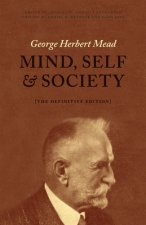
Mind, Self, and Society
818 Kč -

Women, Fire, and Dangerous Things
504 Kč -
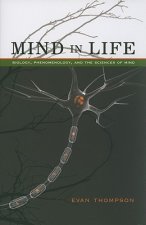
Mind in Life
857 Kč -

Awakening the Buddha Within
397 Kč -

Book of Five Rings
185 Kč -

Surfaces and Essences
547 Kč -

Notes Toward a Performative Theory of Assembly
404 Kč -

Iamblichus De Anima
870 Kč -

Mindful Universe
956 Kč -

Break Your Self Help Addiction
302 Kč -

Alchemy - The Turba Philosophorum or Assembly of the Sagas
506 Kč -

On Touching-Jean-Luc Nancy
581 Kč -

How the Body Shapes the Mind
572 Kč -

Essential Ernest Holmes
487 Kč -

Varieties of Consciousness
870 Kč -

I am Not a Brain - Philosophy of Mind for the 21st Century
449 Kč -

Quantum Physics Meets the Philosophy of Mind
334 Kč -

Life of Imagination
916 Kč -

Philosophy of Mind
253 Kč -

Super Brain
380 Kč -

Taking Appearance Seriously
480 Kč -

On Desire
308 Kč -
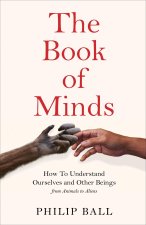
Book of Minds
483 Kč -

Lost Knowledge of the Imagination
543 Kč -

Fluid Concepts and Creative Analogies
470 Kč -

Cambridge Handbook of Cognitive Science
882 Kč -

Character of Consciousness
1070 Kč -

Private Truths, Public Lies
1268 Kč -
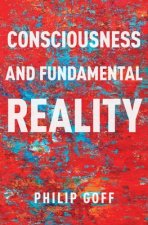
Consciousness and Fundamental Reality
2265 Kč -

Body in the Mind
852 Kč -

Opening The Doors of Perception
365 Kč -

Matter and Memory
214 Kč -

Life In Freedom
225 Kč -

Mind and Consciousness
732 Kč
Osobní odběr Praha, Brno a 46811 dalších
Copyright ©2008-26 nejlevnejsi-knihy.cz Všechna práva vyhrazenaSoukromíCookies

 Vrácení do měsíce
 571 999 099 (8-15.30h)