Kód: 17973175
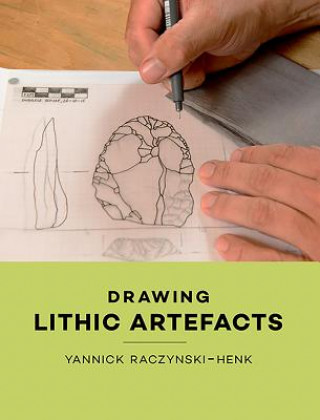
Drawing Lithic Artefacts
Autor Yannick Raczynski-Henk
Stone Age researchers spend a lot of time studying and documenting lithic artefacts. Since it is impossible to study all these artefacts physically, they often rely on images. Drawings are often the most informative because the li ... celý popis


- Jazyk:
 Angličtina
 - Vazba: Brožovaná
- Počet stran: 52
Nakladatelství: Sidestone Press, 2017
- Více informací o knize


Mohlo by se vám také líbit
-

JoJo's Bizarre Adventure: Part 7--Steel Ball Run, Vol. 4
457 Kč -

All the King's Men
292 Kč -

Long Shot
226 Kč -

Drawing as Therapy: Know Yourself Through Art
409 Kč -

The Illuminatus Trilogy
397 Kč -
Practicing Stoic
572 Kč -

Peppa Pig: Fun with Old Things - Ladybird Readers Level 1
138 Kč -

Goddess Girls Shimmering Collection (Boxed Set)
1314 Kč -

Gdy leżę, konając
307 Kč -

Ark Before Noah: Decoding the Story of the Flood
368 Kč -

Hate Notes
234 Kč -

eleganza non è un mito. Come comportarsi con stile in ogni occasione
476 Kč -

Primi classici per i più piccoli
382 Kč -

Som idealista: Diár 2026
197 Kč -

Original Rummikub, Premium-Edition mit extra großen Zahlen
884 Kč -

Stories of Ray Bradbury
522 Kč -
Egyptian Hieroglyphic Dictionary
815 Kč -

Habibi
316 Kč -

Captain America: Sentinel Of Liberty Vol. 1
491 Kč -

Neanderthal Legacy
1308 Kč -
Doggerland
915 Kč -
Gerulata: The Lamps
474 Kč -

Matematika pro střední školy 7.díl B Pracovní sešit
168 Kč -

Girl in Winter
259 Kč -

Outline of Psychoanalysis
314 Kč -

Low Poly 3D Modeling in Blender
961 Kč -

How Adam Smith Can Change Your Life
288 Kč -

Essential Titus Burckhardt
578 Kč -

Early Mesolithic in Northern Italy and Southern France
2435 Kč -

Scenes of London Life
298 Kč -

High Resolution Archaeology and Neanderthal Behavior
1182 Kč -

Palaeolithic Italy
1522 Kč -

early Neolithic of Northern Europe
1218 Kč -

Pojazdy. Wycinam i sklejam
108 Kč -

Wicked Little Things
316 Kč -

Travels in a Thin Country
392 Kč -

Tesař
93 Kč -

Sourcebook of Paleolithic Transitions
1155 Kč -

Marabu textilní barva na sítotisk a linoryt/žlutá 100 ml
204 Kč -
Mesolithic Studies at the Beginning of the 21st Century
1279 Kč -

Spike, The Penguin With Rainbow Hair
446 Kč -

Porn ? What porn ?
467 Kč -

Silver Market Phenomenon
1384 Kč -

God's Diplomats
1294 Kč -

C# 12 i .NET 8 dla programistów aplikacji wieloplatformowych. Twórz aplikacje, witryny WWW oraz serwisy sieciowe za pomocą ASP.NET Core 8, Blazor i EF
942 Kč -

Patton
373 Kč -

Progress in Lean Manufacturing
1349 Kč -

Engraved Gems
1017 Kč -

The Dark
371 Kč -
Crystal's Cuckold: a Mistress Crystal story
154 Kč -

Nová příšerka z kumbálu
218 Kč -

Life Skills Activities for Special Children 2e
608 Kč -

Finding God's Will
328 Kč -

The Office Spanking: (katie Never Learns)
320 Kč -
Archaeology and Anthropology of Salt
2064 Kč -

A Dominie's Log (1918)
641 Kč -
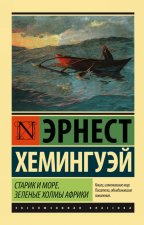
Starik i more. Zelenye kholmy Afriki
277 Kč -

Tatort Stadt
1068 Kč -

Lyrical Ballads with Other Poems, 1800, Volume 2
176 Kč -

O Mal Humano - Temporada 0: O Início
444 Kč -

International Handbook of Early Childhood Education
17634 Kč -

Palm Creek Pickles: An Insider's View of Life Among Active Seniors
237 Kč -

Flame Tree Lane
474 Kč -

Letters from My Windmill
314 Kč -

Shropshire
1511 Kč -

Hosea (The Proclaim Commentary Series)
398 Kč -

Unity
342 Kč -

BACKYARD BIOLOGY
511 Kč -

Crossbow-Isle - Y Ddraig Goch - Part 2
340 Kč -

Heritage, Nationhood, and Language
3335 Kč -

Celtic Saints
150 Kč -

Caligula's Nemi Ships: The History of the Roman Emperor's Mysterious Luxury Boats
243 Kč -

Evil Alice and the Borzoi
446 Kč -

Eugene Odum
826 Kč -

Patriot Dreams and Dreams of God
154 Kč -

Crecy and Calais, from the Original Records in the Public Record Office ... Reprinted from the Proceedings of the William Salt Archaeological Society.
642 Kč -
Preschool Math Workbook for Toddlers Ages 2-4: Beginner Preschool Math Activity Book with Number Tracing, Colors, Shapes, Pre-Writing, Pre-Reading and
176 Kč -

Remember When
444 Kč -

On William Faulkner
726 Kč -

The Pennsylvania-German in the Settlement of Maryland
1099 Kč -

Arrested: A Taboo Cop Romance, LGBT Edition
279 Kč -

Reporting Inequality
1452 Kč -

Foundations for Model-based Systems Engineering
2962 Kč -
Jump Start JavaScript Data Structures
595 Kč
Dárkový poukaz: Radost zaručena
- Darujte poukaz v libovolné hodnotě a my se postaráme o zbytek.
- Poukaz se vztahuje na celou naši nabídku.
- Elektronický poukaz vytisknete z e-mailu a můžete ihned darovat.
- Platnost poukazu je 12 měsíců od data vystavení.
Více informací o knize Drawing Lithic Artefacts
Nákupem získáte 49 bodů
 Anotace knihy
Stone Age researchers spend a lot of time studying and documenting lithic artefacts. Since it is impossible to study all these artefacts physically, they often rely on images. Drawings are often the most informative because the lines and symbols in these drawing contain technological information which tells the audience how the artefact depicted was made. Conversely, making these drawings is an excellent way of learning to recognise and understand this technological information. In a distant past Yannick aspired a career as an artist and while the art world is probably better off without him, he managed to find a new purpose for his artistic bend in his career as an archaeologist in the form of making lithic illustrations. Both professional and amateur archaeologists ask him questions about the drawings regularly with "It's probably very difficult, I'm sure?" the most prominent. Drawing lithic illustrations is bound to rules and conventions anybody can learn. Of course it helps if you have a deft hand at drawing, but this style of drawing is a craft, not an art form. A craft anybody can learn with a little perseverance. Starting from there, Yannick gives courses in drawing artefacts. While preparing these courses he noticed that almost no books or papers suitable as course material are available, a realisation eventually resulting in this book. Contents 1 Introduction 1.1 Art or craft 1.2 Why draw in the digital age 1.3 Reading guide 2 Conventions 2.1 Introduction 2.2 Terminology 2.3 Angle of incidence 2.4 Projections 2.5 French or American projection 2.6 Lines 2.7 Ripples 2.8 The ventral surface 2.9 Burins 2.10 Polished artefacts 2.11 Natural phenomena and damage 2.12 Burnt flint 2.13 Other symbols 2.14 Microliths 3 Preperations 3.1 Introduction 3.2 Residue and use-wear analysis 3.3 Digital illustration 3.4 Supply list 3.5 Function of the assorted supplies 3.6 The work station 3.7 The artefact 4 The pencil drawing 4.1 Introduction 4.2 Preparing the graph paper 4.3 The outline 4.4 The dorsal ridges 4.5 The dorsal negatives 4.6 The ventral surface and the bulb of percussion 4.7 The lateral sides 4.8 The cross-section 4.9 The striking platform and additional details 4.10 Refits 4.11 Finishing touches 5 The pen drawing 5.1 Preparations 5.2 The lay-out 5.3 Tracing the illustration 5.4 Finishing touches 6 Scanning and digitally editing your illustrations for publication 6.1 Scanning 6.2 Editing your illustration 6.3 Step one: paint it black 6.4 Step two: Increasing the contrast 6.5 Step three: making the illustration binary 6.6 Cosmetic alterations 7 Conclusion
Parametry knihy
Zařazení knihy Knihy v angličtině Humanities Archaeology Archaeology by period / region
491 Kč
- Plný název: Drawing Lithic Artefacts
- Autor: Yannick Raczynski-Henk
- Jazyk: Angličtina
- Vazba: Brožovaná
- Počet stran: 52
- EAN: 9789088905308
- ISBN: 9088905304
- ID: 17973175
- Nakladatelství: Sidestone Press
- Hmotnost: 178 g
- Rozměry: 200 × 260 × 10 mm
- Datum vydání: 29. August 2017
Oblíbené z jiného soudku
-
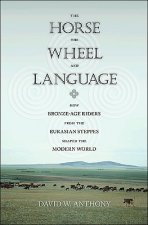
Horse, the Wheel, and Language
650 Kč -

Magicians of the Gods
317 Kč -

Art of Painting in Ancient Greece (English language edition)
1358 Kč -
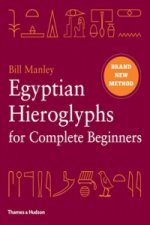
Egyptian Hieroglyphs for Complete Beginners
292 Kč -

Against the Grain
397 Kč -
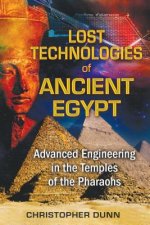
Lost Technologies of Ancient Egypt
442 Kč -

Omm Sety's Abydos
410 Kč -

First Signs
274 Kč -

Medieval Household
1153 Kč -
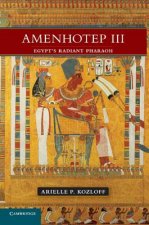
Amenhotep III
1041 Kč -

In the Footsteps of King David
610 Kč -
Greeks in Ptolemaic Egypt
568 Kč -

Cemetery at Tell Es-Sa'idiyeh, Jordan
604 Kč -

Tell es-Sa'idiyeh
1592 Kč -

War before Civilization
583 Kč -
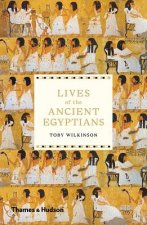
Lives of the Ancient Egyptians
312 Kč -
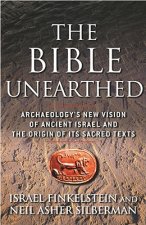
Bible Unearthed
335 Kč -

Prehistory Of The Mind
393 Kč -

Aegean Art and Architecture
589 Kč -

Cat in Ancient Egypt
311 Kč -

Lady Sapiens
390 Kč -
Egypt
1268 Kč -

Giordano Bruno and the Hermetic Tradition
923 Kč -
First Artists
472 Kč -
Religion and Ritual in Ancient Egypt
795 Kč -

Lifeways of Hunter-Gatherers
904 Kč -
Oxford Handbook of the Bronze Age Aegean
1932 Kč -
Egyptologists' Notebooks
873 Kč -

In Search of the Indo-Europeans
624 Kč -
Ancient Egypt: A Very Short Introduction
225 Kč -
Horse in Human History
991 Kč -

Zondervan Handbook of Biblical Archaeology
879 Kč -

Art and Archaeology of Ancient Greece
1594 Kč -
Biblical Archaeology: A Very Short Introduction
225 Kč -
Etruscan Art
453 Kč -
Ancient Nubia
1369 Kč -
Searching for the Lost Tombs of Egypt
292 Kč -
Mummies, Magic and Medicine in Ancient Egypt
978 Kč -
Ancient Egyptian Book of the Dead
625 Kč -

Tomb of Tutankhamun: Volume 2
816 Kč -

Rome and Environs
849 Kč -
Mysteries Of The Snake Goddess
402 Kč -

Prehistoric Rock Art
906 Kč -

Archaeology of the Holy Land
1239 Kč -

Egyptian Decorative Art
707 Kč -

Warfare in Bronze Age Society
3078 Kč -

Archaeology of Athens
814 Kč -
Introduction to the Archaeology of Ancient Egypt 2e
1295 Kč -

Stargate Conspiracy
705 Kč
Osobní odběr Praha, Brno a 48476 dalších
Copyright ©2008-26 nejlevnejsi-knihy.cz Všechna práva vyhrazenaSoukromíCookies

 Vrácení do měsíce
 571 999 099 (8-15.30h)