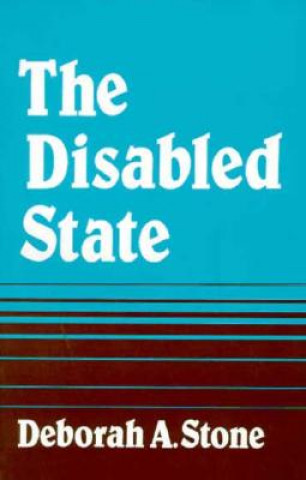
Kód: 04946252
Disabled State
Autor Deborah A. Stone
This is a book about the defining assumptions and assumed definition of the welfare state. It is a work that pulls apart social categories like "disability" or "need" and shows how they function politically and where they come fro ... celý popis


- Jazyk:
 Angličtina
 - Vazba: Brožovaná
- Počet stran: 256
Nakladatelství: Temple University Press,U.S., 1986
- Více informací o knize

842 Kč
Dostupnost:
50 % šance Máme informaci, že by titul mohl být dostupný. Na základě vaší objednávky se ho pokusíme do 6 týdnů zajistit.
Prohledáme celý svět
Mohlo by se vám také líbit
-

Nová literatura pro střední školy 2 učebnice
281 Kč -

Just Do Something
225 Kč -

Japanese Garden Notes
1315 Kč -

Mega Monopoly Black Edition
1354 Kč -

Archivfuhrer zur Geschichte Pommerns bis 1945
925 Kč -

TITO's JASENOVAC
510 Kč -

Roswell
474 Kč -

George Washington: The Forge of Experience 1732 - 1775 - Volume I
756 Kč -

Container Architektur
611 Kč -

Le monde secret de Bush
562 Kč -

Airman's Odyssey
389 Kč -

Los neoconservadores y la doctrina Bush : diccionario ideológico crítico
428 Kč -
Regards sur l'animal et son langage
688 Kč -

Toledo Blade: The True Story of the Abduction, Rape and Murder of a Cop's Daughter
403 Kč -

Betwixt Two Lovers. a Novel.
437 Kč -

Weltwirtschaftskrise und der Aufstieg des Nationalsozialismus
369 Kč -

Les Choses comme je les vois
301 Kč -

Coalition Information Sharing
336 Kč -

Arthurian Legend in the Seventeenth Century
5651 Kč -

Learn: Grandpa's life lessons for one and all
339 Kč -

Die tarifvertraglich gestützte Entgeltumwandlung im Betriebsübergang
2563 Kč -

Secrecy and Publicity in Votes and Debates
3078 Kč -

Self-Love
546 Kč -
Mr. Incredible
389 Kč -

Helmut Schmidt - Momente
478 Kč -

AZ 1662 Diki Orszaggyules.
521 Kč -

With Fire and Sword
408 Kč -

Intertidal History in Island Southeast Asia
982 Kč -

The New England Historical And Genealogical Register V31: January To October, 1877 (1877)
924 Kč -

Biologie, oder Philosophie der lebenden Natur
594 Kč -
Toiset ambivalentit äänet
593 Kč -

Aging Well with Diabetes
441 Kč -

Carlinville
474 Kč -

Dialogues avec une araignée
436 Kč -
Psychological First Aid
338 Kč
Dárkový poukaz: Radost zaručena
- Darujte poukaz v libovolné hodnotě a my se postaráme o zbytek.
- Poukaz se vztahuje na celou naši nabídku.
- Elektronický poukaz vytisknete z e-mailu a můžete ihned darovat.
- Platnost poukazu je 12 měsíců od data vystavení.
Informovat o naskladnění knihy
Zadejte do formuláře e-mailovou adresu a jakmile knihu naskladníme, zašleme vám o tom zprávu. Pohlídáme vše za vás.
Více informací o knize Disabled State
Nákupem získáte 84 bodů
 Anotace knihy
This is a book about the defining assumptions and assumed definition of the welfare state. It is a work that pulls apart social categories like "disability" or "need" and shows how they function politically and where they come from historically. For many years, the welfare state was expanding. In those times, advocates for many new groups of people were able to win through the political process the extension of benefits to their constituents. Definitions of need, worth, and eligibility were changed so that more people became "entitled" to payments. The opposite trend is in effect now. Most advanced industrial states have experienced some form of fiscal crisis, and their governments are taking a hard look at how they define who is eligible for support. One major category is disability. But who is "disabled," and who decides that? Though doctors certify disability for the state, Stone argues that "the concept of disability is fundamentally the result of political conflict about distributive criteria and the appropriate recipients of social aid." The concept also has a social history and a social context today. Despite the very real stigma of the world "disabled" in other settings, being "disabled" for welfare purposes means being morally worthy. Like the "deserving poor" of English Poor Law, the "disabled" would work if they could. Isn't disability something that can be measured scientifically and apolitically determined? That argument breaks down in the face of a simple example: blindness. Many blind people can work, yet because of the obviousness of the condition and sympathy it arouses, the "blind" have always been considered eligible for benefits without question. The concern with "welfare cheats" is not a new one. The author reaches back several centuries to trace the fascinating history of this and other aspects of welfare policy in Germany, England, and the United States. What she finds are elaborate tests to weed out fraudulent applicants (beggars with faked afflictions) and changing criteria to distinguish the able from the "disabled." Author note: Deborah A. Stone is Associate Professor of Political Science a the Massachusetts Institute of Technology. She is author of The Limits of Professional Power: National Health Care in the Federal Republic of Germany.
Parametry knihy
Zařazení knihy Knihy v angličtině Society & social sciences Society & culture: general Social issues & processes
842 Kč
- Plný název: Disabled State
- Autor: Deborah A. Stone
- Jazyk: Angličtina
- Vazba: Brožovaná
- Počet stran: 256
- EAN: 9780877223627
- ISBN: 0877223629
- ID: 04946252
- Nakladatelství: Temple University Press,U.S.
- Hmotnost: 350 g
- Rozměry: 141 × 209 × 31 mm
- Datum vydání: 01. February 1986
Oblíbené z jiného soudku
-

Rebel Witch
399 Kč -

The Second Sex
178 Kč -
Individuals and Societies for the IB MYP 1
682 Kč -

Women & Power
194 Kč -

Master's Tools Will Never Dismantle the Master's House
95 Kč -

Alcoholics Anonymous Big Book
629 Kč -
Staying with the Trouble
630 Kč -

The Next 100 Years
291 Kč -

Room of One's Own/Three Guineas
219 Kč -

In the Name of Identity
348 Kč -

Feminist, Queer, Crip
715 Kč -

Toxic Parents
317 Kč -

Soft Power
319 Kč -

Alone Together
365 Kč -

Testo Junkie
427 Kč -

Manifestly Haraway
429 Kč -

Psychedelic Gospels
348 Kč -

Singularity Is Near
428 Kč -

Perfect Daughters
287 Kč -

Volatile Bodies
540 Kč -

End of Patriarchy
386 Kč -
Women's Ways of Knowing
515 Kč -

Dangerous Discourses of Disability, Subjectivity and Sexuality
2196 Kč -

Sociological Imagination
412 Kč -

Pedagogy of the Oppressed
235 Kč -

The Divide
270 Kč -

Second Sex
453 Kč -

Scum Manifesto
205 Kč -
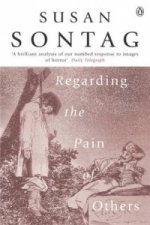
Regarding the Pain of Others
270 Kč -

Superforecasting
260 Kč -

The Feminine Mystique
235 Kč -

The Beauty Myth
178 Kč -

Psychopath Free
404 Kč -

Shock Doctrine
358 Kč -
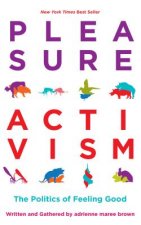
Pleasure Activism
408 Kč -

Blitzed
276 Kč -

The Lucifer Effect
379 Kč -

Chronology of Water
235 Kč -

Down and Out in Paris and London
204 Kč -

Silently Seduced
266 Kč -

Prize
379 Kč -

Best We Could Do
324 Kč -

Revolution At Point Zero (2nd. Edition)
349 Kč -

A Room of One's Own
182 Kč -

Who Stole Feminism?: How Women Have Betrayed Women
350 Kč -
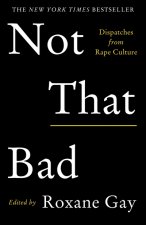
Not That Bad
256 Kč -

Leisure: The Basis of Culture
341 Kč -

Violence
260 Kč -

No Logo
235 Kč
Osobní odběr Praha, Brno a 47771 dalších
Copyright ©2008-26 nejlevnejsi-knihy.cz Všechna práva vyhrazenaSoukromíCookies

 Vrácení do měsíce
 571 999 099 (8-15.30h)