Kód: 53265484
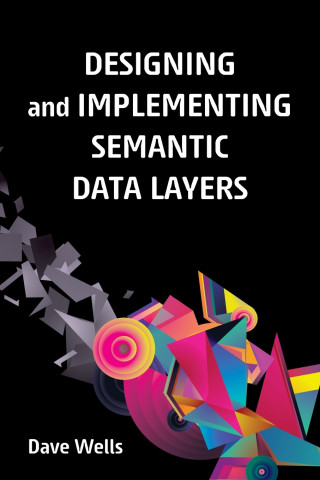
Designing and Implementing Semantic Data Layers
Autor Dave Wells
Data has a meaning problem. Semantic data layers solve it. Semantics, applied to data, is the discipline of making meaning explicit, consistent, and durable. Semantic data layers are the architectural expression of that discipline ... celý popis


- Jazyk:
 Angličtina
 - Vazba: Brožovaná
- Počet stran: 132
Nakladatelství: Technics Publications, 2026
- Více informací o knize


Mohlo by se vám také líbit
-

Moonwalk
263 Kč -

Berserk Deluxe Volume 1
861 Kč -

The Score
243 Kč -

Murdoku
306 Kč -

Threshing Day (Wing and Claw Collection)
439 Kč -

The Mistake
243 Kč -

Berserk Deluxe Volume 2
941 Kč -

The Deal
276 Kč -

Jujutsu Kaisen, Vol. 30
220 Kč -

White Nights
95 Kč -

Dancing The Dream
517 Kč -

Berserk Deluxe Volume 3
781 Kč -

Threshing Day (Limited Deluxe Edition)
488 Kč -

The Goal
253 Kč -

Jujutsu Kaisen, Vol. 26
240 Kč -

Onyx Storm (Deluxe Limited Edition) (The Empyrean, 3)
525 Kč -

Kid's Box New Generation Level 2 Activity Book with Digital Pack British English
265 Kč -

Berserk Deluxe Volume 5
781 Kč -

Chainsaw Man, Vol. 21
240 Kč -

Jujutsu Kaisen, Vol. 29
225 Kč -

Murdoku Volume 2: Back in Time
325 Kč
Dárkový poukaz: Radost zaručena
- Darujte poukaz v libovolné hodnotě a my se postaráme o zbytek.
- Poukaz se vztahuje na celou naši nabídku.
- Elektronický poukaz vytisknete z e-mailu a můžete ihned darovat.
- Platnost poukazu je 12 měsíců od data vystavení.
Více informací o knize Designing and Implementing Semantic Data Layers
Nákupem získáte 76 bodů
 Anotace knihy
Data has a meaning problem. Semantic data layers solve it. Semantics, applied to data, is the discipline of making meaning explicit, consistent, and durable. Semantic data layers are the architectural expression of that discipline. This book shows you how to build them.
Data management has always been messy. Inconsistent metrics, brittle integrations, data silos, and confusing dashboards persist even after heavy investment in data lakes, warehouses, pipelines, BI tools, metadata catalogs, and modern platforms. At the core, these are not technology problems; they're problems of meaning. More infrastructure doesn't fix a meaning problem. It expands it. AI workloads add new urgency: systems that act autonomously on data they don't fully understand compound the cost of every inconsistency.
Semantic data layers turn scattered data definitions into shared, stable, reusable business meaning that is independent of the physical structures that hold the data. The result is strong data interoperability, reliable analytics, improved self-service access, reduced technical debt, and a practical foundation for trustworthy AI.
Building semantic layers well requires three things in the right order. First, architecture: understanding the five types of semantic layers (enterprise, domain, integration, enrichment, and consumption) and where each belongs in your data management world. Next comes design: ontology, taxonomy, semantic models, knowledge graphs, and property graphs. This is the conceptual work that captures how your business actually understands its data. Semantic models that business people can read and validate are more durable than technically precise models that only engineers can interpret. Then comes implementation: building semantic layers as software through APIs, data products, data contracts, data virtualization, and schema registries.
Architecture first, next design, and then implementation. This book covers all three. Written for data architects, data engineers, data leaders, data governance professionals, analytics teams, and the emerging Semantic Layer Engineer, it is a practical guide to reducing data friction, improving data quality, increasing reuse, and enabling self-service analytics across a complex enterprise.
When data has shared meaning, systems connect more easily, people trust the answers, and AI has the context it needs to reason responsibly.
Parametry knihy
755 Kč
- Plný název: Designing and Implementing Semantic Data Layers
- Autor: Dave Wells
- Jazyk: Angličtina
- Vazba: Brožovaná
- Počet stran: 132
- EAN: 9798898161620
- ID: 53265484
- Nakladatelství: Technics Publications
- Hmotnost: 188 g
- Rozměry: 229 × 152 × 7 mm
- Datum vydání: 17. July 2026
Osobní odběr Praha, Brno a 48078 dalších
Copyright ©2008-26 nejlevnejsi-knihy.cz Všechna práva vyhrazenaSoukromíCookies

 Vrácení do měsíce
 571 999 099 (8-15.30h)