Kód: 50128854
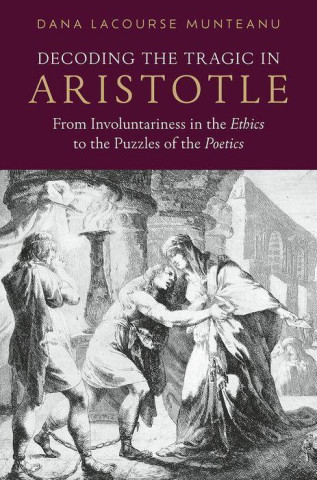
Decoding the Tragic in Aristotle
Autor Munteanu, Dana LaCourse (Associate Professor of Classics, Associate Professor of Classics, Ohio State University)
Decoding the Tragic in Aristotle posits that a specific form of involuntary action lies at the heart of Aristotle's conception of the tragic-a point that remains unexplained in the Poetics. This key insight is illuminated through ... celý popis


- Jazyk:
 Angličtina
 - Vazba: Pevná
- Počet stran: 240
Nakladatelství: Oxford University Press, 2026
- Více informací o knize


Mohlo by se vám také líbit
-

The 48 Laws of Power
416 Kč -

Death Note, Vol. 10
221 Kč -

Avatar: The Last Airbender - The Art Of The Animated Series (second Edition)
631 Kč -

Nuovissimo Progetto italiano 4 – Quaderno degli esercizi (+ tracce Audio)
301 Kč -

Interior Design Reference & Specification Book updated & revised
459 Kč -

New Map
276 Kč -

Kimi ni Todoke: From Me to You, Vol. 29
225 Kč -

Outcast by Kirkman & Azaceta Compendium
1298 Kč -

Aula internacional Plus 4 - Edición híbrida
758 Kč -

SUPERMAN ACTION COMICS V03 REVENGE OF TH
232 Kč -

Feluś i Gucio wiedzą, jak się zachować
247 Kč -

Demon Slayer: Kimetsu no Yaiba: The Official Coloring Book 2
262 Kč -

Star Wars: Rebel Starfighters: Owners' Workshop Manual
531 Kč -

Salt and Straw Ice Cream Cookbook
459 Kč -

A mindennapok hősének kiáltványa
381 Kč -
GLADIATOR II ART & MAKING OF THE RIDLEY
801 Kč -

Aladdin
362 Kč -

Dívej se a poslouchej Zvířata - Zvuková kniha
250 Kč -

Lucky Escape
197 Kč -
Anatomia narzadow wewnetrznych i ukladu nerwowego czlowieka
662 Kč -

Aurora
306 Kč -

The Illiberal Liberals – An Appeal from the Old to the New Liberals
651 Kč -

111 Gründe, Manchester United zu lieben
384 Kč -

BIM computationnel, des données vers l'IA
1168 Kč -

Meal Tefsir Muhtasar Hak Dini Kuran Dili Kücük Boy
1370 Kč -
Leïla-Enki
320 Kč -

I Love to Go to Daycare (English Russian Bilingual Book)
381 Kč -

50 Things I've Learned on my Way to 50
446 Kč -

Scheduling of Power Generation
1155 Kč -

Method of the Generalised Eikonal
5005 Kč -
Anthropology: Understanding Societies and Human Behavior
2883 Kč -
Availability, Reliability and Security
1557 Kč -

Revitalizar rios urbanos
1257 Kč -

Hijos de la Fábula
391 Kč -
Capacity and Autonomy
865 Kč
Dárkový poukaz: Radost zaručena
- Darujte poukaz v libovolné hodnotě a my se postaráme o zbytek.
- Poukaz se vztahuje na celou naši nabídku.
- Elektronický poukaz vytisknete z e-mailu a můžete ihned darovat.
- Platnost poukazu je 12 měsíců od data vystavení.
Více informací o knize Decoding the Tragic in Aristotle
Nákupem získáte 267 bodů
 Anotace knihy
Decoding the Tragic in Aristotle posits that a specific form of involuntary action lies at the heart of Aristotle's conception of the tragic-a point that remains unexplained in the Poetics. This key insight is illuminated through Aristotle's ethical works, particularly the Nicomachean Ethics and Eudemian Ethics, where the philosopher discusses a type of counter-voluntary error (hamartia) rooted in ignorance of particulars. These references clarify the tragic mechanisms behind the most celebrated dramatic structures in Poetics chapters 13 and 14, which have long appeared inexplicably contradictory. Aristotle's notion of involuntariness is distinct from mere accident, chance, or misfortune. It represents the highest tragic degree when fully integrated into the action that tragedy depicts, evoking the most profound pity, fear, and a sense of wonder. While the ethical treatises help clarify Aristotle's aesthetic theory, they do not-as is sometimes claimed-impose a moral or didactic framework onto tragedy in response to Plato's critique. The Poetics remains focused on the structural conditions that best produce the tragic effect, understood as simultaneously emotional, cognitive, and psychologically compelling. Elsewhere, Aristotle does engage with moral dilemmas—such as Neoptolemus' in Sophocles' Philoctetes—and with ethical and rhetorical problems embedded in drama, aligning more closely with traditional philosophical approaches to tragedy. Yet he carefully distinguishes between what makes a tragedy effective in the Poetics and what tragedies are ethically good for in other contexts. Ultimately, Decoding the Tragic in Aristotle reveals Aristotle's concept of the tragic as both singular and forward-looking-anticipating contemporary insights from cognitive theory and neuroaesthetics, which sets it apart from other philosophical and literary accounts.
Parametry knihy
Zařazení knihy Knihy v němčině Geisteswissenschaften, Kunst, Musik Philosophie Mittelalter
2674 Kč
- Plný název: Decoding the Tragic in Aristotle
- Autor: Munteanu, Dana LaCourse (Associate Professor of Classics, Associate Professor of Classics, Ohio State University)
- Jazyk: Angličtina
- Vazba: Pevná
- Počet stran: 240
- EAN: 9780197836804
- ISBN: 0197836801
- ID: 50128854
- Nakladatelství: Oxford University Press
- Hmotnost: 512 g
- Datum vydání: 30. March 2026
Oblíbené z jiného soudku
-
The Complete Works of Plato
754 Kč -
Complete Works
303 Kč -
Discourses and Selected Writings
317 Kč -

That One Should Disdain Hardships
241 Kč -

On Anger
228 Kč -
Socratic Method
513 Kč -

Apologie des Sokrates
249 Kč -
Platon - Gesammelte Werke
252 Kč -

Hellenic Tantra
576 Kč -

Mark Aurel: Selbstbetrachtungen. Vollständige Neuausgabe.
206 Kč -

Humanly Possible: Seven Hundred Years of Humanist Freethinking, Inquiry, and Hope
490 Kč -

Dietrich von Freiberg
1083 Kč -

Antike Glücksethik
477 Kč -

Anrede. Proslogion
151 Kč -
The Greek Philosophers
581 Kč -

Major Works of the Stoics 3-Book Boxed Set
1139 Kč -
Why I Am A Stoic
136 Kč -
Cambridge Companion to Plato
882 Kč -
Diogenes
482 Kč -

The 2 Euro Coin Catalogue 2024 Edition
238 Kč -
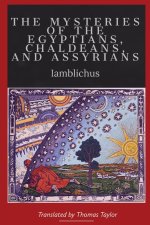
On the Mysteries of the Egyptians, Chaldeans, and Assyrians
163 Kč -
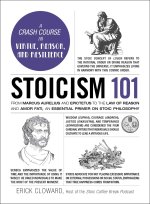
Stoicism 101
273 Kč -
Der Staat
176 Kč -
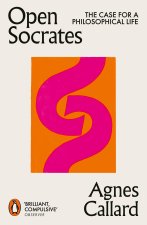
Open Socrates
276 Kč -
The Nicomachean Ethics of Aristotle
485 Kč -
The Consolation of Philosophy (Collector's Edition) (Laminated Hardback with Jacket)
857 Kč -
Life and Teachings of Hermes Trismegistus
340 Kč -

Das Wesen des Thomismus
2110 Kč -
Nikomachische Ethik
252 Kč -
Aristotle's On the Soul
393 Kč -

Platon : Timaios - Kritias
976 Kč -

How To Think Like Socrates
270 Kč -
Philosophy as a Way of Life
765 Kč -
How to Listen
318 Kč -

Von der Unsterblichkeit der Seele
183 Kč -

Nomoi
476 Kč -

Über das Glück. De beatitudine
46 Kč -
THE PHILOSOPHICAL and MATHEMATICAL COMMENTARIES OF PROCLUS, ON THE FIRST BOOK OF EUCLID'S ELEMENTS
505 Kč -

Die Markomannen und ihre Nachbarn
653 Kč -

Der Realismus der Finalität
844 Kč -
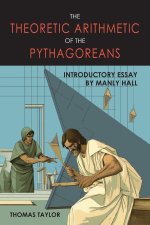
Theoretic Arithmetic of the Pythagoreans
422 Kč -

Bekenntnisse. Confessiones
335 Kč -
The Socratic Dialogues
382 Kč -

Reasons Not to Worry
462 Kč -

Die Weisheit des Stoizismus. Wege zu Gleichmut und Gelassenheit
130 Kč -
Epistulae morales ad Lucilium / Briefe an Lucilius über Ethik
554 Kč -
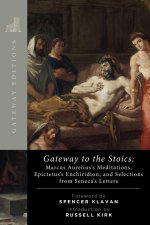
Gateway to the Stoics
303 Kč -
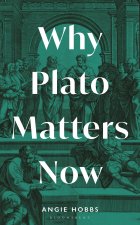
Why Plato Matters Now
358 Kč -

Seneca, Gesammelte Werke
252 Kč
Osobní odběr Praha, Brno a 46053 dalších
Copyright ©2008-26 nejlevnejsi-knihy.cz Všechna práva vyhrazenaSoukromíCookies

 Vrácení do měsíce
 571 999 099 (8-15.30h)