Kód: 05106797
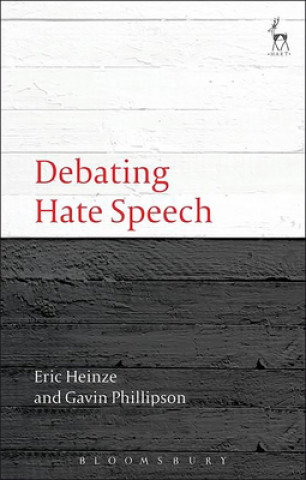
Debating Hate Speech
Autor Gavin P. Phillipson, Eric Heinze
Does hate speech undermine democracy, by attacking its most vulnerable members? Does it threaten the equal dignity of all citizens? Or are democracy and equality degraded not by hateful expression, but by censorship? Do hate sp ... celý popis


- Jazyk:
 Angličtina
 - Vazba: Pevná
- Počet stran: 164
Nakladatelství: Hart Publishing, 2023
- Více informací o knize

614 Kč
Dostupnost:
50 % šance Máme informaci, že by titul mohl být dostupný. Na základě vaší objednávky se ho pokusíme do 6 týdnů zajistit.
Prohledáme celý svět
Mohlo by se vám také líbit
-

International Primary English Student's Book 2
340 Kč -

Colinas que arden, lagos de fuego
312 Kč -

Fly by Wire
308 Kč -

European Banking Union
1740 Kč -

ONE PIECE - Large Glass - 400ml - Zoro - box x2
232 Kč -

Project X: Alien Adventures: Lilac:Max's Rocket
116 Kč -

Frost in Neapel: Lojacono ermittelt in Neapel
228 Kč -

Data Governance
208 Kč -

Jeremy Poldark. La saga di Poldark
468 Kč -

Chemical Mutagens
1182 Kč -

Heart of Aleppo
320 Kč -

TING-A-LING TALES
532 Kč -

ANDROMEDE
449 Kč -

Sue?os Lúcidos: Guía Práctica para Controlar los Sue?os
455 Kč -

Reading Planet Cosmos - Cemetery Grove 4: The Halloween House Supernova/Red+
282 Kč -

Bounce
354 Kč -

Travels in the Holy Land, Volume 1
571 Kč -

Progress in Inorganic Chemistry, Vol. 58
3868 Kč -

Haste Töne!
198 Kč -

Nos Explorateurs En Afrique (3e Ed.) (Ed.1893)
524 Kč -

Cuadrantes solares en la arquitectura, los
562 Kč -

L'evoluzione dell'apprendimento dell'inglese per gli affari
1519 Kč -

In Search of a Penguin's Egg
343 Kč -

Little Things
340 Kč -
Probability Theory, Live!
652 Kč -

Udzial kobiet w rolnictwie
1459 Kč -

Murder at the Starlight Pavilion
308 Kč -

Law of Storms Considered in Connection with the Ordinary Movements of the Atmosphere
837 Kč -
Bewertung von Rechts- und Beratungspraxen
389 Kč -

MAKING MONEY
325 Kč -
Fyodor Dostoevsky: Crime and Punishment (English Edition)
491 Kč -
Assessing the United States Institute of Peace Jennings Randolph Senior Fellowship
1081 Kč -

CARTE EN RELIEF DES PYRÉNÉES-ORIENTALES
1159 Kč -

Mover of Bones
274 Kč -

Programming Languages and Systems
1182 Kč
Dárkový poukaz: Radost zaručena
- Darujte poukaz v libovolné hodnotě a my se postaráme o zbytek.
- Poukaz se vztahuje na celou naši nabídku.
- Elektronický poukaz vytisknete z e-mailu a můžete ihned darovat.
- Platnost poukazu je 12 měsíců od data vystavení.
Informovat o naskladnění knihy
Zadejte do formuláře e-mailovou adresu a jakmile knihu naskladníme, zašleme vám o tom zprávu. Pohlídáme vše za vás.
Více informací o knize Debating Hate Speech
Nákupem získáte 61 bodů
 Anotace knihy
Does hate speech undermine democracy, by attacking its most vulnerable members? Does it threaten the equal dignity of all citizens? Or are democracy and equality degraded not by hateful expression, but by censorship? Do hate speech bans give governments too much control over thought and ideas, or do bans secure the conditions for ideas to be meaningfully debated? Should each society choose its own rules? Or are some principles of free expression universal? Whom should hate speech bans protect: racial and ethnic groups, religious communities, women, sexual minorities, the disabled? Should we ban hateful words and images in public spaces but not on the internet? Heinze and Phillipson draw on law, politics, philosophy and ethics to debate these questions. For Phillipson, narrowly drawn hate speech bans are essential to the social contract-a prerequisite for democratic deliberation, and a symbolic protection of every citizen's basic dignity. Heinze replies that punitive rules imposed to silence hateful views damage democracy, and governments have more legitimate and effective means of combating harmful speech. Drawing upon European, American and Commonwealth perspectives, this book will be of interest not only to lawyers, but also to readers in philosophy, politics and journalism.
Parametry knihy
Zařazení knihy Knihy v angličtině Law Laws of Specific jurisdictions Constitutional & administrative law
614 Kč
- Plný název: Debating Hate Speech
- Autor: Gavin P. Phillipson, Eric Heinze
- Jazyk: Angličtina
- Vazba: Pevná
- Počet stran: 164
- EAN: 9781849462648
- ISBN: 184946264X
- ID: 05106797
- Nakladatelství: Hart Publishing
- Hmotnost: 260 g
- Rozměry: 138 × 216 × 10 mm
- Datum vydání: 30. November 2023
Oblíbené z jiného soudku
-

Federalist Papers
297 Kč -

Framers' Coup
490 Kč -
Matter of Interpretation
300 Kč -

Federalist Papers
153 Kč -

Local Matters
788 Kč -
Comparative Constitutional Law
1935 Kč -
Fourteenth Amendment and the States
1182 Kč -
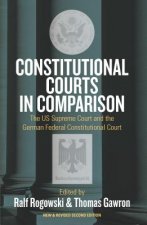
Constitutional Courts in Comparison: The Us Supreme Court and the German Federal Constitutional Court
3325 Kč -

Federal Preemption
335 Kč -
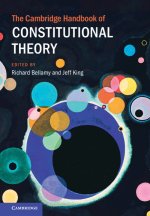
The Cambridge Handbook of Constitutional Theory
4835 Kč -
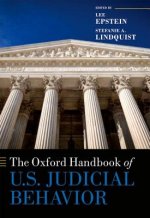
Oxford Handbook of U.S. Judicial Behavior
4622 Kč -
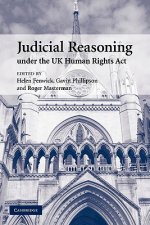
Judicial Reasoning under the UK Human Rights Act
1643 Kč -

Art of the Advocate
335 Kč -
Constitution of the United States of America with the Declaration of Independence
336 Kč -

Anti-Federalist Papers and the Constitutional Convention Debates
184 Kč -
America's Unwritten Constitution
697 Kč -
Law of Public and Utilities Procurement Volume 2
8332 Kč -

EU Constitutional Law
999 Kč -

Age of Dignity
2562 Kč -
Cyberwar
525 Kč -

Federalism: A Very Short Introduction
242 Kč -
Human Rights, Ownership, and the Individual
2924 Kč -
Constitutionalizing the European Union
1286 Kč -
Founders' Constitution, Volume 2
374 Kč -

Judicial Monarchs
777 Kč -
Data Privacy Law
5276 Kč -

Law Express: Human Rights
458 Kč -

Colonial Origins of the American Constitution
374 Kč -
Familiar Exposition of the Constitution of the United States
629 Kč -
Fourteenth Amendment
1009 Kč -

Magna Carta
314 Kč -

American Constitution and the Debate over Originalism
835 Kč -

Gunfight
341 Kč -

Administrative Law for the 21st Century
3062 Kč -
European Convention on Human Rights
12236 Kč -
Statism
319 Kč -
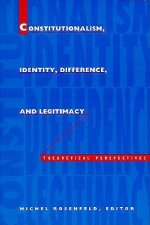
Constitutionalism, Identity, Difference, and Legitimacy
995 Kč -

Gabby Petito's Story
26 Kč -

Theory of Interpretation of the European Convention on Human Rights
1668 Kč -
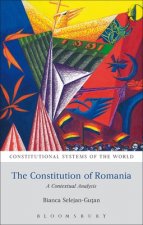
Constitution of Romania
1020 Kč -

View of the Constitution of the United States of America Second Edition
576 Kč -
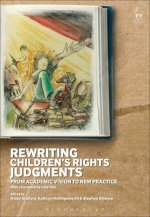
Rewriting Children's Rights Judgments
3306 Kč -
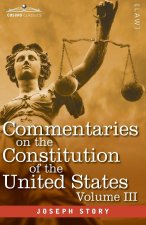
Commentaries on the Constitution of the United States Vol. III (in three volumes)
686 Kč -
First Amendment, Freedom of the Press
373 Kč -
Proportionality
1653 Kč -

Raised Right
690 Kč -
Deciphering the Genome of Constitutionalism
3284 Kč -

Strategic Constitution
949 Kč -

Equal Rights Handbook
224 Kč
Osobní odběr Praha, Brno a 47930 dalších
Copyright ©2008-26 nejlevnejsi-knihy.cz Všechna práva vyhrazenaSoukromíCookies

 Vrácení do měsíce
 571 999 099 (8-15.30h)