Kód: 04872958
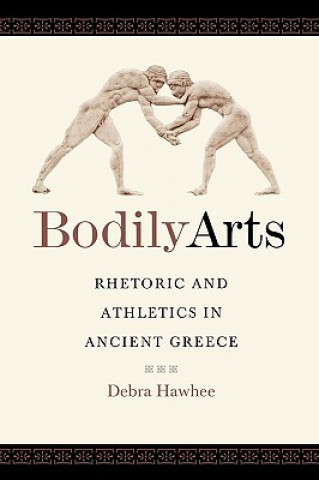
Bodily Arts
Autor Debra Hawhee
The role of athletics in ancient Greece extended well beyond the realms of kinesiology, competition, and entertainment. In teaching and philosophy, athletic practices overlapped with rhetorical ones and formed a shared mode of kno ... celý popis


- Jazyk:
 Angličtina
 - Vazba: Brožovaná
- Počet stran: 240
Nakladatelství: University of Texas Press, 2005
- Více informací o knize


Mohlo by se vám také líbit
-

Moomin's First Hundred Words
271 Kč -

Trauma-Sensitive Yoga Deck for Kids
465 Kč -

Democracy
1525 Kč -

Healing with Plants
722 Kč -

Superior Iron Man Vol. 2: Stark Contrast Premiere Hc
554 Kč -

Think Again - Die Kraft des flexiblen Denkens
289 Kč -

Becoming a Teacher of Language and Literacy
1565 Kč -

Democracy in America
768 Kč -

Gegenüberglück
618 Kč -

Coastal Dynamics and Landforms
8797 Kč -

Breakdown in Human Adaptation to Stress , 1
1350 Kč -

Der Kapitalismus entdeckt das Volk
608 Kč -

Lives Of Saints, From The Book Of Lismore
1115 Kč -

So You Want to Be a Home Inspector? Here's How!: For Buyer, Seller or Professional
339 Kč -

Developmental Theories Through the Life Cycle
1219 Kč -

Fishing For Pleasure And Catching It: And Two Chapters On Angling In North Wales (1906)
598 Kč -

Law and Politics in British Colonial Thought
1350 Kč -

Estadísticas de Medio Ambiente. Encuesta de empresas de suministro y tratamiento del agua. Años 1996
284 Kč -

In a Moment, Poems
381 Kč -

Asian Management Matters: Regional Relevance And Global Impact
4252 Kč -

Liberatory Thought of Martin Luther King Jr.
1753 Kč
Dárkový poukaz: Radost zaručena
- Darujte poukaz v libovolné hodnotě a my se postaráme o zbytek.
- Poukaz se vztahuje na celou naši nabídku.
- Elektronický poukaz vytisknete z e-mailu a můžete ihned darovat.
- Platnost poukazu je 12 měsíců od data vystavení.
Více informací o knize Bodily Arts
Nákupem získáte 70 bodů
 Anotace knihy
The role of athletics in ancient Greece extended well beyond the realms of kinesiology, competition, and entertainment. In teaching and philosophy, athletic practices overlapped with rhetorical ones and formed a shared mode of knowledge production. "Bodily Arts" examines this intriguing intersection, offering an important context for understanding the attitudes of ancient Greeks toward themselves and their environment. In classical society, rhetoric was an activity, one that was in essence 'performed'. Detailing how athletics came to be rhetoric's 'twin art' in the bodily aspects of learning and performance, "Bodily Arts" draws on diverse orators and philosophers such as Isocrates, Demosthenes, and Plato, as well as medical treatises and a wealth of artifacts from the time, including statues and vases. Debra Hawhee's insightful study spotlights the notion of a classical gymnasium as the location for a habitual 'mingling' of athletic and rhetorical performances, and the use of ancient athletic instruction to create rhetorical training based on rhythm, repetition, and response. Presenting her data against the backdrop of a broad cultural perspective rather than a narrow disciplinary one, Hawhee presents a pioneering interpretation of Greek civilization from the sixth, fifth, and fourth centuries BCE by observing its citizens in action.
Parametry knihy
Zařazení knihy Knihy v angličtině Health & personal development Family & health Fitness & diet
695 Kč
- Plný název: Bodily Arts
- Podnázev: Rhetoric and Athletics in Ancient Greece
- Autor: Debra Hawhee
- Jazyk: Angličtina
- Vazba: Brožovaná
- Počet stran: 240
- EAN: 9780292721401
- ISBN: 0292721404
- ID: 04872958
- Nakladatelství: University of Texas Press
- Hmotnost: 478 g
- Rozměry: 237 × 161 × 20 mm
- Datum vydání: 15. January 2005
Oblíbené z jiného soudku
-

Pilates' Return to Life Through Contrology
403 Kč -
Pilates Anatomy
474 Kč -

Return to Life Through Contrology
219 Kč -

The Yoga Sutras of Patanjali
302 Kč -
COMPLETE CALISTHENICS
489 Kč -

Ashtanga Yoga
536 Kč -

Complete Guide to Yin Yoga
366 Kč -
Yoga Sequencing
431 Kč -

The Mind-Gut Connection
334 Kč -

4-Phase Histamine Reset Plan
392 Kč -

Light on Yoga
163 Kč -
Yoga Assists
658 Kč -

Rebuilding Milo
1111 Kč -

Yin Yoga
293 Kč -
Jivamukti Yoga
365 Kč -

Yoga Mala
319 Kč -

Way of Qigong
365 Kč -

Magic Ten and Beyond
404 Kč -
4-Hour Body
515 Kč -

How Not to Die
268 Kč -
Yoga Adjustments
407 Kč -
Teaching Yoga Beyond the Poses
365 Kč -
Stretching Anatomy
506 Kč -
Systema Solo Training
320 Kč -
Bruce Lee The Art of Expressing the Human Body
412 Kč -
Understanding the Bowen Technique
107 Kč -

Breuss Cancer Cure
225 Kč -
Yoga Mat Companion 4: Arm Balances & Inversions
647 Kč -

No Meat Athlete Cookbook
412 Kč -

Eat Right 4 Your Type
248 Kč -
Key Muscles of Yoga: Your Guide to Functional Anatomy in Yoga
567 Kč -

Book of Macrobiotics
333 Kč -
Your Spine, Your Yoga
444 Kč -

One Minute Workout
500 Kč -

Simple Qigong Exercises for Health
302 Kč -

Foundations in Craniosacral Biodynamics, Volume Two
556 Kč -

Total Kettlebell Workout
470 Kč -

Fast. Feast. Repeat.
319 Kč -

The Macrobiotic Approach to Cancer
308 Kč -
Anatomy of Hatha Yoga
509 Kč -
Body Image Workbook
606 Kč -

Mindful Movement
381 Kč -

Yoga for Your Type
489 Kč -

You Are Your Own Gym
480 Kč -

Fibromyalgie
609 Kč -

The Blood Sugar Solution
381 Kč -

Satisfied
512 Kč -

Bodywork
624 Kč -

Official Body Control Pilates Manual
334 Kč
Osobní odběr Praha, Brno a 46611 dalších
Copyright ©2008-26 nejlevnejsi-knihy.cz Všechna práva vyhrazenaSoukromíCookies

 Vrácení do měsíce
 571 999 099 (8-15.30h)