Kód: 50069183
Assembling an Imperial Machine
Autor Tavarez, Fidel J. (Assistant Professor of History, Assistant Professor of History, Queens College, CUNY)
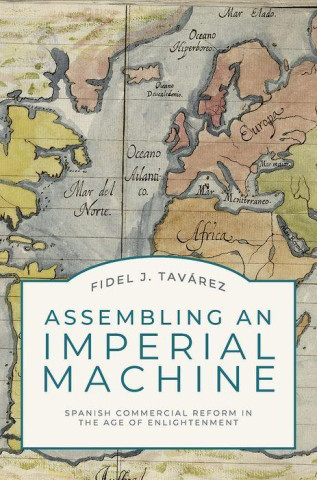
During the eighteenth century, Spanish statesmen pursued a set of ambitious imperial reforms that thoroughly remade conceptualizations of empire. They compared well-ordered empires to harmonious machines and devised a comprehensiv ... celý popis


- Jazyk:
 Angličtina
 - Vazba: Pevná
- Počet stran: 344
Nakladatelství: Oxford University Press, 2026
- Více informací o knize


Mohlo by se vám také líbit
-

Expecting Better
292 Kč -

Sakamoto Days, Vol. 3
225 Kč -

Espanol en marcha - Nueva edicion (2021 ed.)
441 Kč -

Beste Freunde A1+A2
152 Kč -

Metody dramatické výchovy v mateřské škole
195 Kč -

Směju se, abych nebrečel
299 Kč -

Moderní analýza biologických dat 3
196 Kč -

Smrt boha smrti
147 Kč -

Samolepková zvířátka V noci
71 Kč -

BEST OF DARK ART
325 Kč -

100 Children's Crosswords: Travel
142 Kč -

Art of Indian Asia
2530 Kč -

Alice's Adventures in Wonderland
443 Kč -

Assembly of God Evangelical Church
1318 Kč
Dárkový poukaz: Radost zaručena
- Darujte poukaz v libovolné hodnotě a my se postaráme o zbytek.
- Poukaz se vztahuje na celou naši nabídku.
- Elektronický poukaz vytisknete z e-mailu a můžete ihned darovat.
- Platnost poukazu je 12 měsíců od data vystavení.
Více informací o knize Assembling an Imperial Machine
Nákupem získáte 142 bodů
 Anotace knihy
During the eighteenth century, Spanish statesmen pursued a set of ambitious imperial reforms that thoroughly remade conceptualizations of empire. They compared well-ordered empires to harmonious machines and devised a comprehensive plan to liberalize and integrate the imperial economy. The main initiative to emerge from this economic plan was a commercial policy that contemporaries called comercio libre, which entailed replacing the traditional fleets and galleons with a new system of free trade within the empire. The men who designed this new imperial vision became convinced that the pursuit of markets, rather than military power alone, was the key to succeeding in a modern commercial society. Unlike their European counterparts, who remained keenly interested in international trade, Spanish ministers focused on integrating Spain's vast imperial economy. In their minds, the Hispanic world could become an integrated and self-sufficient microcosm of the global economy, which would enable the empire to partake in the world's trade without the rivalry and warfare that came from international commerce. Moving seamlessly between developments in Spain and Spanish America, Fidel J. Tavárez demonstrates how the imperial machine was projected to reap the benefits of economic growth by synergizing millions of people across Spain's dominions, including Indigenous and Afro-descendant colonial subjects. He traces the evolution of the empire's economy from extractive measures intended to drain colonial possessions of their resources for the metropole's gain to notions of a mutually beneficial and equal conglomeration of transoceanic territories. By bringing this effort to light, Tavárez shows that, rather than a mercantilist throwback, the Hispanic world's commercial reforms represented a genuine attempt to solve the dilemmas of early modern globalization, an endeavor that, in turn, inaugurated the enduring fascination with erecting trade blocs in Latin America. Combining economic, intellectual, and political history, Assembling an Imperial Machine provides an innovative interpretation of this momentous period in the history of the Hispanic world.
Parametry knihy
Zařazení knihy Knihy v němčině Geisteswissenschaften, Kunst, Musik Geschichte Kulturgeschichte einzelne Themen und Gegenstände
1418 Kč
- Plný název: Assembling an Imperial Machine
- Autor: Tavarez, Fidel J. (Assistant Professor of History, Assistant Professor of History, Queens College, CUNY)
- Jazyk: Angličtina
- Vazba: Pevná
- Počet stran: 344
- EAN: 9780197755051
- ISBN: 0197755054
- ID: 50069183
- Nakladatelství: Oxford University Press
- Hmotnost: 689 g
- Datum vydání: 22. April 2026
Oblíbené z jiného soudku
-

Junkers Ju 88c Day and Nightfighters
403 Kč -

The Jakarta Method
358 Kč -

Top Secret KGB Training Manual Communication With Agents
350 Kč -

King of Kings
260 Kč -

The Finest Hotel in Kabul
358 Kč -

The Coming Storm
491 Kč -

Coalition Aircraft Vs Iraqi Sams
381 Kč -

Reminiscences of the Cuban Revolutionary War
276 Kč -

An African History of Africa
244 Kč -

Japanese Myths
336 Kč -

Japanese Swords, Weaponry and Armor
723 Kč -

Beaufighter Vs German Flak Ships
381 Kč -

Total Resistance
334 Kč -

The Earth Transformed
325 Kč -

Women's Work: The First 20,000 Years
334 Kč -

Unwell Women
276 Kč -

United States of Cryptids
336 Kč -

White Power
538 Kč -

Red Dead's History
319 Kč -

The Hump 1942-45
412 Kč -

Die Deutschen im Osten Europas. Die Geschichte der deutschen Ostgebiete: Ostpreußen, Westpreußen, Schlesien, Baltikum und Sudetenland
195 Kč -

The Enlightenment: The Pursuit of Happiness, 1680-1790
420 Kč -

Me 163 Vs Allied Heavy Bombers: Northern Europe 1944-45
417 Kč -

Gaddafi's "The Green Book"
210 Kč -

Iraq 2003
432 Kč -

Kriegsmarine Southern Command 1941-45
373 Kč -

Stephen King's Maine
412 Kč -

Italian Mas & MS Boats
292 Kč -

Imperial Japanese Navy 1932-1945 Warships and Colours: With Japanese Army Vessels and Three Special Bonus Pages
1373 Kč -

Napoleon's Dragoons and Lancers
664 Kč -

Stug IV Assault Gun German Army and Waffen-SS Units
480 Kč -

Chinese Communist Espionage
573 Kč -

Cuban Sandwich
441 Kč -

Kyiv 2022
406 Kč -

The Haves and Have-Yachts
248 Kč -

Philippines 1944
450 Kč -

The Fighting Knife Revised Edition
1121 Kč -

Hand to Hand Combat
348 Kč -

B-26 Marauder Vs Me 262
389 Kč -

China's Fighter for the World Volume 2
489 Kč -

The Encyclopedia of Warfare
1102 Kč -

Pacific Profiles Volume 17
692 Kč -

The Fate of the Day
661 Kč -

Secret Lives of Colour
539 Kč -

A Very Short History of the Israel-Palestine Conflict
227 Kč -

Shenyang F-7: China's Fighter for the World
524 Kč -

Great Power Diplomacy
797 Kč -

Bloody Skies
512 Kč -

The Complete Persepolis: 20th Anniversary Edition
547 Kč
Osobní odběr Praha, Brno a 47531 dalších
Copyright ©2008-26 nejlevnejsi-knihy.cz Všechna práva vyhrazenaSoukromíCookies

 Vrácení do měsíce
 571 999 099 (8-15.30h)