
Kód: 04635701
Against Obligation
Autor Abner Greene
Do citizens of a nation such as the United States have a moral duty to obey the law? Do officials, when interpreting the Constitution, have an obligation to follow what that text meant when ratified? To follow precedent? To follow ... celý popis


- Jazyk:
 Angličtina
 - Vazba: Pevná
- Počet stran: 352
Nakladatelství: Harvard University Press, 2012
- Více informací o knize


Mohlo by se vám také líbit
-

Rejection Proof
235 Kč -

How to Be an Artist
383 Kč -

Miller - Fowler's Zoo and Wild Animal Medicine Current Therapy, Volume 9
4602 Kč -

Babička
99 Kč -

Murena - Tome 10 - Le Banquet
444 Kč -

China's Gilded Age
608 Kč -

Algebras of Multiplace Functions
4436 Kč -

Practicing Texas Politics
1452 Kč -

Routledge Handbook of the Economics of Education
7355 Kč -

Tractatus de Divina Traditione Et Scriptura
728 Kč -

Die Feriendetektive Hörbox. Box.1, 3 Audio-CDs
250 Kč -

Immersed or Detached? Reappraisal of Situated Emotional Events
1933 Kč -

When is the Nation?
1619 Kč -

We Gotta Get Out of This Place
1475 Kč -

Warriors, Settlers & Nomads
409 Kč -

English Legal System Lawcards 2012-2013
1290 Kč -

Ask Nerede
482 Kč -

Metamorphoses
1293 Kč -

Ausführlicher Unterrichtsentwurf zur Religionsstunde mit dem Thema "Der blinde Bartimäus" (1. Klasse Grundschule)
328 Kč -

TBTCL induce cambiamenti riproduttivi e biochimici nel gambero d'acqua dolce
813 Kč -

Amsterdam Mind Scenario
382 Kč
Dárkový poukaz: Radost zaručena
- Darujte poukaz v libovolné hodnotě a my se postaráme o zbytek.
- Poukaz se vztahuje na celou naši nabídku.
- Elektronický poukaz vytisknete z e-mailu a můžete ihned darovat.
- Platnost poukazu je 12 měsíců od data vystavení.
Více informací o knize Against Obligation
Nákupem získáte 167 bodů
 Anotace knihy
Do citizens of a nation such as the United States have a moral duty to obey the law? Do officials, when interpreting the Constitution, have an obligation to follow what that text meant when ratified? To follow precedent? To follow what the Supreme Court today says the Constitution means? These are questions of political obligation (for citizens) and interpretive obligation (for anyone interpreting the Constitution, often officials). Abner Greene argues that such obligations do not exist. Although citizens should obey some laws entirely, and other laws in some instances, no one has put forth a successful argument that citizens should obey all laws all the time. Greene's case is not only "against" obligation. It is also "for" an approach he calls "permeable sovereignty": all of our norms are on equal footing with the state's laws. Accordingly, the state should accommodate religious, philosophical, family, or tribal norms whenever possible. Greene shows that questions of interpretive obligation share many qualities with those of political obligation. In rejecting the view that constitutional interpreters must follow either prior or higher sources of constitutional meaning, Greene confronts and turns aside arguments similar to those offered for a moral duty of citizens to obey the law.
Parametry knihy
Zařazení knihy Knihy v angličtině Society & social sciences Politics & government Political structure & processes
1665 Kč
- Plný název: Against Obligation
- Podnázev: The Multiple Sources of Authority in a Liberal Democracy
- Autor: Abner Greene
- Jazyk: Angličtina
- Vazba: Pevná
- Počet stran: 352
- EAN: 9780674064416
- ISBN: 0674064410
- ID: 04635701
- Nakladatelství: Harvard University Press
- Hmotnost: 656 g
- Rozměry: 158 × 241 × 24 mm
- Datum vydání: 25. April 2012
Oblíbené z jiného soudku
-

Against Empire
334 Kč -

Republic
191 Kč -

The Road to Unfreedom
227 Kč -

Democracy in America: The Complete and Unabridged Volumes I and II
145 Kč -

Stalin, Vol. II
400 Kč -

America's Constitution
412 Kč -

The Prince
73 Kč -

The Prince
227 Kč -

The Prince
96 Kč -
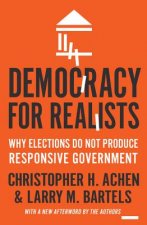
Democracy for Realists
412 Kč -

How Democracies Die
318 Kč -

Red Notice: How I Become Putins No 1 Enemy
235 Kč -

Prince
358 Kč -

How to Stand Up to a Dictator
325 Kč -

Signal and the Noise
335 Kč -

CONVERSATIONS WITH MYSELF
375 Kč -

How Democracies Die
178 Kč -

Anarchy, State, and Utopia
564 Kč -

Democracy in America
292 Kč -

Stalin, Vol. I
400 Kč -

Hitler
424 Kč -

Tyranny of Merit
244 Kč -
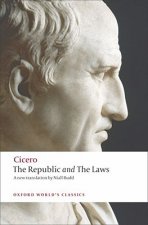
Republic and The Laws
205 Kč -

Leadership in Turbulent Times
277 Kč -

Zeit der Oligarchen
271 Kč -

From Dictatorship to Democracy
205 Kč -

Theodore Rex
397 Kč -

Prince
248 Kč -

Death of Democracy
248 Kč -

Against Democracy
505 Kč -

Road to Somewhere
293 Kč -

Nelson Mandela
362 Kč -

Dictatorship - From the Origin of The Modern Concept of Sovereignty to Proletarian Class Struggle
573 Kč -

The Crooked Timber of Democracy in Israel
568 Kč -

Future of Freedom
329 Kč -

Democracy At Work
361 Kč -

Political Parties
417 Kč -

Autobiography of Benjamin Franklin
225 Kč -

Every Day Is Extra
293 Kč -

My Way
575 Kč -

Making Democracy Work
1218 Kč -

Remainder
315 Kč -

Quotable Jefferson Davis
337 Kč -

Wellington
364 Kč -
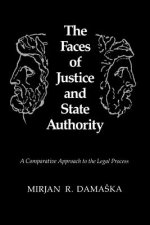
Faces of Justice and State Authority
879 Kč -
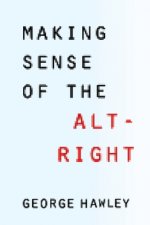
Making Sense of the Alt-Right
430 Kč -

Conservative Parties and the Birth of Democracy
608 Kč -

Civil War in Syria
881 Kč -

Likewar: The Weaponization of Social Media
334 Kč
Osobní odběr Praha, Brno a 46865 dalších
Copyright ©2008-26 nejlevnejsi-knihy.cz Všechna práva vyhrazenaSoukromíCookies

 Vrácení do měsíce
 571 999 099 (8-15.30h)