Kód: 52761298
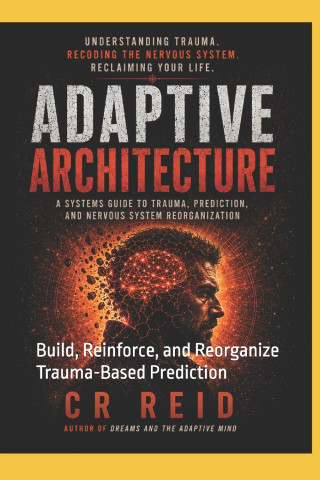
Adaptive Architecture
Autor CR Reid
Trauma is not merely something that happened to you. It is something the nervous system learned to build around.In Adaptive Architecture, neuropsychotherapist and trauma specialist CR Reid presents the framework for understanding ... celý popis


- Jazyk:
 Angličtina
 - Vazba: Brožovaná
- Počet stran: 190
Nakladatelství: Independently published, 2026
- Více informací o knize


Mohlo by se vám také líbit
-

Moonwalk
243 Kč -

The Score
323 Kč -

The Deal
275 Kč -

The Mistake
248 Kč -

Jujutsu Kaisen, Vol. 30
233 Kč -

Witch Hat Atelier: Grimoire Edition 1
777 Kč -

Invincible Compendium Volume 2
1123 Kč -

Berserk Deluxe Volume 1
781 Kč -

The Goal
312 Kč -

Berserk Deluxe Volume 2
837 Kč -

Invincible Compendium Volume 1
1305 Kč -

Witch Hat Atelier Manga Box Set 1
1241 Kč -

Lord of Mysteries, Vol. 3: The Clown, Part III
338 Kč -

Murdoku
380 Kč -

Moonwalk: A Memoir
517 Kč -

Heated Rivalry
227 Kč -

Jujutsu Kaisen, Vol. 25
240 Kč -

Legacy
249 Kč -

Berserk Deluxe Volume 3
781 Kč -

Veil Volume 1
292 Kč -

White Nights
89 Kč
Dárkový poukaz: Radost zaručena
- Darujte poukaz v libovolné hodnotě a my se postaráme o zbytek.
- Poukaz se vztahuje na celou naši nabídku.
- Elektronický poukaz vytisknete z e-mailu a můžete ihned darovat.
- Platnost poukazu je 12 měsíců od data vystavení.
Více informací o knize Adaptive Architecture
Nákupem získáte 34 bodů
 Anotace knihy
Trauma is not merely something that happened to you. It is something the nervous system learned to build around.
In Adaptive Architecture, neuropsychotherapist and trauma specialist CR Reid presents the framework for understanding PTSD, complex trauma, attachment wounds, chronic stress, and survival-based patterns through a new lens: the nervous system as an adaptive prediction engine.
Rather than viewing trauma as a collection of symptoms, this book explores how repeated exposure to threat, instability, loss, and unpredictability gradually shapes the architecture of the mind itself. Over time, survival responses become operating systems. Vigilance becomes identity. Emotional protection becomes personality. What once helped a person endure difficult circumstances can later become the very structure that keeps them stuck.
Drawing from neuroscience, trauma psychology, attachment theory, autonomic nervous system research, memory reconsolidation, and modern predictive processing models, Adaptive Architecture examines how the brain and body organize around survival-and how those structures can ultimately change.
Inside, you'll discover:
• Why the nervous system prioritizes predictability over happiness
• How fight, flight, freeze, and fawn become long-term operating systems
• The hidden relationship between trauma, attention, emotion, and identity
• Why survival patterns often persist long after danger has passed
• How attachment experiences shape predictive models of relationships
• Why insight alone rarely creates lasting change
• The role of prediction error in healing and recovery
• How memory reconsolidation alters the meaning of past experiences
• Why autonomic regulation is essential for transformation
• How the nervous system gradually reorganizes itself toward safety
Through a clear and accessible systems-based approach, Reid challenges many traditional assumptions about trauma recovery. Healing is not portrayed as the elimination of symptoms, the suppression of difficult emotions, or the destruction of old survival patterns. Instead, it is understood as a process of structural reorganization-a gradual updating of the nervous system's expectations about safety, connection, uncertainty, and selfhood.
Whether you are a trauma survivor, clinician, therapist, coach, student, or simply someone seeking a deeper understanding of human adaptation, Adaptive Architecture offers a powerful new perspective on why we become who we are-and how change becomes possible.
Healing is not demolishing the structure that kept you alive. It is teaching the nervous system that it no longer has to live under siege.
Parametry knihy
341 Kč
- Plný název: Adaptive Architecture
- Podnázev: Build, Reinforce, and Reorganize Trauma-Based Prediction
- Autor: CR Reid
- Jazyk: Angličtina
- Vazba: Brožovaná
- Počet stran: 190
- EAN: 9798199288118
- ID: 52761298
- Nakladatelství: Independently published
- Hmotnost: 263 g
- Rozměry: 229 × 152 × 10 mm
- Datum vydání: 30. May 2026
Osobní odběr Praha, Brno a 46566 dalších
Copyright ©2008-26 nejlevnejsi-knihy.cz Všechna práva vyhrazenaSoukromíCookies

 Vrácení do měsíce
 571 999 099 (8-15.30h)