Kód: 21330786
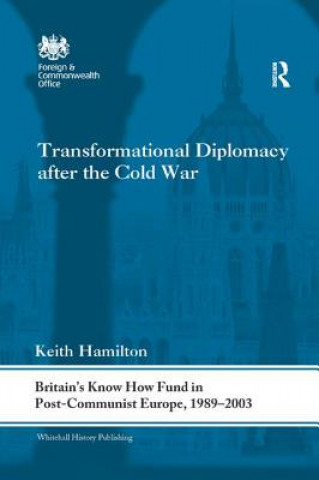
Transformational Diplomacy after the Cold War
Autor HAMILTON
This book examines the ''Know How Fund'', Britain’s bilateral technical assistance programme in post-communist central and eastern Europe, devised in response to the end of the Cold War.The Know How Fund (KHF) was the technical as ... celý popis


- Jazyk:
 Angličtina
 - Vazba: Brožovaná
- Počet stran: 240
Nakladatelství: Taylor & Francis Ltd, 2018
- Více informací o knize

1706 Kč
Dostupnost:
50 % šance Máme informaci, že by titul mohl být dostupný. Na základě vaší objednávky se ho pokusíme do 6 týdnů zajistit.
Prohledáme celý svět
Mohlo by se vám také líbit
-

My First 100 Science Words
139 Kč -

MINIX Manga: One Piece - Sanji
250 Kč -

Persuasion
645 Kč -

Meaning and Culture of ""Grand Theft Auto
563 Kč -

Grand Grimoire of Infernal Pacts
1053 Kč -

Der Zopf
289 Kč -
Dej si pohov! A začni žít
339 Kč -

Schlanke Sirtfood Rezepte
275 Kč -

Laz Vampir Tirakula DVD
482 Kč -

Mancs Őrjárat - Mighty pups - Szuperkutyik bevetésen
151 Kč -

Coloring Book of Shadows: Planner for a Magical 2024
686 Kč -

La Mort du petit coeur
293 Kč -
Building Pathology, Durability and Service Life
3767 Kč -

History of Art; v.2
619 Kč -

Traveller's Companion
381 Kč -

HYMN PRIMER
179 Kč -
Fundamentals of Pap Test Cytology
4059 Kč -

Dream Save Do: An Action Plan for Dreamers
299 Kč -

We Are All Survivors
1612 Kč -

El relago de Lisa
341 Kč -

Prairie Willow
200 Kč -
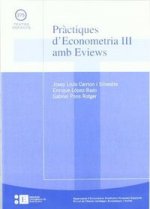
Pràctiques d'econometria III amb Eviews
252 Kč -
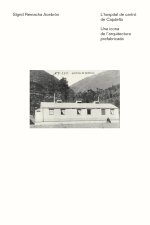
L'hospital de cartró de Capdella
606 Kč -

Wavelet Transform based approach for analysis of ECG signal
732 Kč -

Jonar Line
331 Kč -

Normalisierungen
313 Kč -

Chic & Slim Connoisseur
208 Kč -
Touffe et l'agneau - joan lingard, patricia casey
176 Kč
Darujte tuto knihu ještě dnes
- Objednejte knihu a zvolte Zaslat jako dárek.
- Obratem obdržíte darovací poukaz na knihu, který můžete ihned předat obdarovanému.
- Knihu zašleme na adresu obdarovaného, o nic se nestaráte.
Informovat o naskladnění knihy
Zadejte do formuláře e-mailovou adresu a jakmile knihu naskladníme, zašleme vám o tom zprávu. Pohlídáme vše za vás.
Více informací o knize Transformational Diplomacy after the Cold War
Nákupem získáte 171 bodů
 Anotace knihy
This book examines the ''Know How Fund'', Britain’s bilateral technical assistance programme in post-communist central and eastern Europe, devised in response to the end of the Cold War.
The Know How Fund (KHF) was the technical assistance programme which Margaret Thatcher’s government launched in the spring of 1989 to encourage Poland’s transition from communism to democracy and free-market capitalism. It was subsequently extended to other countries of central and eastern Europe and might be considered a novel experiment in what the US secretary of state, Condoleezza Rice, would later term ‘transformational diplomacy’.
Drawing upon still-closed records of the Cabinet Office, the Department for International Development (DFID) and the Foreign and Commonwealth Office, this book explores the political origins of the KHF. In particular, the author examines its influence upon the transitional process in the lands of the former Soviet bloc; its part in attenuating the potentially destabilising effects of revolutionary change in Europe; the interdepartmental cooperation and rivalry to which its administration gave rise in Whitehall; and the links forged between officials and the worlds of business, finance and academe in project design and implementation. The volume offers new insights into Britain’s reactions to the collapse of communism in central Europe and the Soviet Union; the role of aid in the making and conduct of British foreign policy; and the significance of New Labour’s establishment of DFID as a separate government department.
This book will be of much interest to students of British Foreign Policy, Diplomacy Studies, European history, Post-Communist Transitions and IR in general.
Parametry knihy
Zařazení knihy Knihy v angličtině Society & social sciences Education Educational psychology
1706 Kč
- Plný název: Transformational Diplomacy after the Cold War
- Autor: HAMILTON
- Jazyk: Angličtina
- Vazba: Brožovaná
- Počet stran: 240
- EAN: 9781138377257
- ISBN: 1138377252
- ID: 21330786
- Nakladatelství: Taylor & Francis Ltd
- Hmotnost: 370 g
- Rozměry: 156 × 234 × 20 mm
- Datum vydání: 23. August 2018
Oblíbené z jiného soudku
-
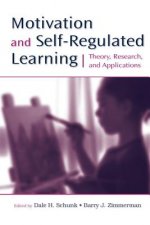
Motivation and Self-Regulated Learning
2027 Kč -

Absorbent Mind
256 Kč -

Managing ADHD in Schools
412 Kč -

Educational Psychology, Global Edition
1996 Kč -
ABCs of How We Learn
567 Kč -

Managing Teacher Workload
2121 Kč -
Knowledge And Decisions
804 Kč -

Absorbent Mind
364 Kč -
Beyond Smarter
758 Kč -

Way of Mindful Education
644 Kč -

Educational Transactional Analysis
1407 Kč -
Project Based Learning Made Simple
463 Kč -
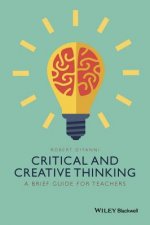
Critical and Creative Thinking
877 Kč -
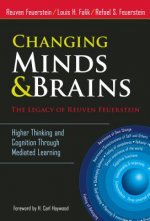
Changing Minds & Brains - The Legacy of Reuven Feuerstein
758 Kč -
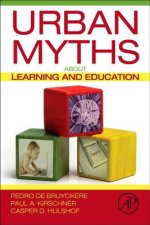
Urban Myths about Learning and Education
880 Kč -
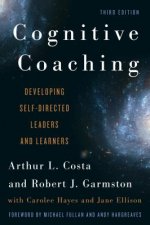
Cognitive Coaching
2388 Kč -

10 things schools get wrong (and how we can get them right)
638 Kč -

Starving the Anxiety Gremlin for Children Aged 5-9
488 Kč -
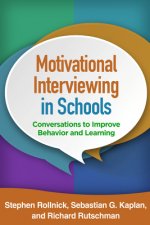
Motivational Interviewing in Schools
954 Kč -
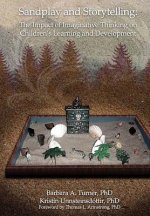
Sandplay and Storytelling
413 Kč -
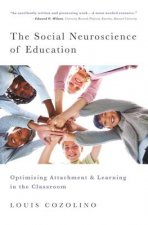
Social Neuroscience of Education
837 Kč -

Work-Smart Academic Planner, Revised Edition
516 Kč -
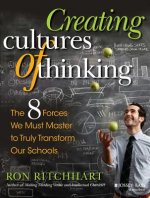
Creating Cultures of Thinking - The 8 Forces We Must Master to Truly Transform Our Schools
521 Kč -

Pygmalion in the Classroom
510 Kč -

Great Minds and How to Grow Them
672 Kč -
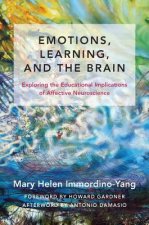
Emotions, Learning, and the Brain
1076 Kč -

How We Think
346 Kč -
Promoting Social and Emotional Learning
711 Kč -
Computers and Exploratory Learning
3532 Kč -

Zweites Buch (Hitler's Secret Book)
1430 Kč -

Boys and Girls Learn Differently! A Guide for Teachers and Parents
392 Kč -
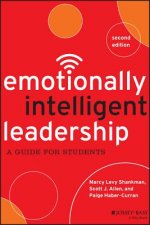
Emotionally Intelligent Leadership - A Guide for Students 2e
776 Kč -
Teaching Brain
651 Kč -

Cracking the Hard Class
830 Kč -
Phonological Awareness
1143 Kč -
Story Proof
1131 Kč -
Differentiated Classroom, The
895 Kč -
Cognitive and Emotional Study Strategies for Students with Dyslexia in Higher Education
881 Kč -

Five Pillars of the Mind
640 Kč -

Passionate Learner
634 Kč -

Intellectual Character - What It Is, Why It Matters and How To Get It
358 Kč -
Multiple Intelligences in Practice
768 Kč -
'i Won't Learn From You': And Other Thoughts On Creative Maladjustment
446 Kč -

Mindfulness and Yoga in Schools
881 Kč -
Magic of Metaphor
846 Kč -
Developing Creative Thinking Skills
1020 Kč -
Lawrence Kohlberg
8164 Kč -

European Union Law
1270 Kč -
Intrinsic Motivation and Self-Determination in Human Behavior
6041 Kč
Osobní odběr Praha, Brno a 46512 dalších
Copyright ©2008-26 nejlevnejsi-knihy.cz Všechna práva vyhrazenaSoukromíCookies

 Vrácení do měsíce
 571 999 099 (8-15.30h)