Kód: 02310406
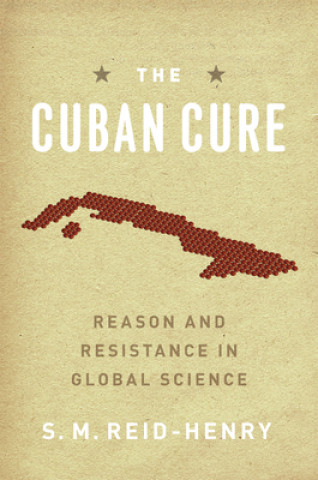
Cuban Cure
Autor S M Reid-Henry
After Fidel Castro came to power in 1959, his second declaration, after socialism, was that Cuba would become a leader in international science. In biotechnology he would be proven right, and today Cuba counts a meningitis B vacci ... celý popis


- Jazyk:
 Angličtina
 - Vazba: Pevná
- Počet stran: 216
Nakladatelství: The University of Chicago Press, 2010
- Více informací o knize


Mohlo by se vám také líbit
-

Shadow's Seduction
283 Kč -

Algerian White
287 Kč -

Curious George Up, Up, and Away (CGTV 8x8)
125 Kč -

Paměti starého práškaře
216 Kč -

Genau! Plus 1. Zeszyt ćwiczeń + kod online
282 Kč -

Z pekelných hlbín do výšin nebeských II
269 Kč -

Leadership Challenge: Deutschsprachige Ausgabe
708 Kč -

Brain Games - Sticker by Letter - Happy Easter!
194 Kč -

Thirteen Stories and Thirteen Epitaphs
325 Kč -

Wanted
191 Kč -

Saint-Bernardin de Sienne. Entre dévotion et culture : fonction de l'image religieuse au XVe siècle
700 Kč -

Dramen
2107 Kč -

Assessing Student Learning Outcomes in Higher Education
5127 Kč -

Pin-Up Grrrls
4631 Kč -

Role Of Organisational Culture In TQM Success
1398 Kč -

Introduction to Embedded System Design Using Field Programmable Gate Arrays
2357 Kč -

From the Land of Green Ghosts
391 Kč -

Baby Monkey's Bananas Tigre version
114 Kč -

Blue Note Preaching in a Post-Soul World
425 Kč -

MMA Coloring Book; Mixed Martial Arts Coloring Book
237 Kč -

Erfindung und Fruhzeit des Meissner Porzellans
905 Kč -

''Let There Be Light''
362 Kč -

Enchanter Merlin
750 Kč -

Studies of Great Composers
1121 Kč -

Kate Atkinson's Behind the Scenes at the Museum
694 Kč -

Invading the Kingdom of Darkness
558 Kč -

Bilder in den Cantigas
369 Kč -

Einleitung in die Geologie als historische Wissenschaft
732 Kč
Darujte tuto knihu ještě dnes
- Objednejte knihu a zvolte Zaslat jako dárek.
- Obratem obdržíte darovací poukaz na knihu, který můžete ihned předat obdarovanému.
- Knihu zašleme na adresu obdarovaného, o nic se nestaráte.
Více informací o knize Cuban Cure
Nákupem získáte 136 bodů
 Anotace knihy
After Fidel Castro came to power in 1959, his second declaration, after socialism, was that Cuba would become a leader in international science. In biotechnology he would be proven right, and today Cuba counts a meningitis B vaccine and cutting-edge cancer therapies to its name. But how did this politically and geographically isolated country make such impressive advances? Drawing on a unique ethnography, and blending the insights of philosophy, sociology, and geography, "The Cuban Cure" shows how Cuba came to compete with U.S. pharmaceutical giants - despite a trade embargo and crippling national debt. In uncovering what is distinct about Cuban biomedical science, S. M. Reid-Henry examines the forms of resistance that biotechnology research in Cuba presents to the globalization of western models of scientific culture and practice. He illustrates the epistemic, social, and ideological clashes that take place when two cultures of research meet, and how such interactions develop as political and economic circumstances change. Through a novel argument about the intersection of socioeconomic systems and the nature of innovation, "The Cuban Cure" presents an illuminating study of politics and science in the context of globalization.
Parametry knihy
Zařazení knihy Knihy v angličtině Humanities History History: earliest times to present day
1362 Kč
- Plný název: Cuban Cure
- Autor: S M Reid-Henry
- Jazyk: Angličtina
- Vazba: Pevná
- Počet stran: 216
- EAN: 9780226709178
- ISBN: 0226709175
- ID: 02310406
- Nakladatelství: The University of Chicago Press
- Hmotnost: 472 g
- Rozměry: 164 × 230 × 22 mm
- Datum vydání: 23. December 2010
Oblíbené z jiného soudku
-

Tuesdays With Morrie
235 Kč -

Guns, Germs, and Steel
265 Kč -

Medieval Costume and How to Make It
258 Kč -

On Tyranny
219 Kč -

Egyptian Book of the Dead: The Book of Going Forth by Day : The Complete Papyrus of Ani Featuring Integrated Text and Full-Color Images (History ... M
606 Kč -

The Art of Combat
581 Kč -

Distant Mirror
336 Kč -

1453
334 Kč -

Creation of Patriarchy
511 Kč -

Nixonland
293 Kč -

Victorian Lady's Guide to Fashion and Beauty
336 Kč -

Ancient Greece
502 Kč -

4th Fighter Wing in Korean War
778 Kč -

Crossfire
407 Kč -

Tuesdays With Morrie
248 Kč -

Henry III
291 Kč -

FN FAL Battle Rifle
417 Kč -

Woodstock
441 Kč -

Liberty & Order
616 Kč -

Inescapable Questions
374 Kč -

Chronicles of the First Crusade
327 Kč -

Roman Auxiliary Forts 27 BC-AD 378
388 Kč -

Revolution 1989
315 Kč -

Those Who Were There
624 Kč -

Epics of Sumerian Kings
589 Kč -

The Origins of Totalitarianism
317 Kč -

From Third World to First
285 Kč -

Illustrated Encyclopedia of Uniforms of World War I
445 Kč -

Learn to Read Ancient Sumerian
651 Kč -

History of the Decline and Fall of the Roman Empire
335 Kč -

Book of Margery Kempe
265 Kč -

Secret Team
412 Kč -

History of the Ancient World
568 Kč -

Gallic War
178 Kč -

Oxford Illustrated History of Prehistoric Europe
838 Kč -

Fall of Carthage
336 Kč -

24 Hours in Ancient Athens
200 Kč -

Oxford Handbook of Neolithic Europe
1335 Kč -

Peloponnesian War
297 Kč -

Alexander the Great
320 Kč -

Swerve
284 Kč -

Complete Roman Army
445 Kč -

Caesar
428 Kč -

Life in a Medieval Castle
319 Kč -

Fear and Loathing on the Campaign Trail '72
297 Kč -

Streams of Gold, Rivers of Blood
691 Kč -

Safe Area Gorazde
506 Kč -

Electric Kool-Aid Acid Test
235 Kč -

Swords of the Viking Age
641 Kč
Osobní odběr Praha, Brno a 46512 dalších
Copyright ©2008-26 nejlevnejsi-knihy.cz Všechna práva vyhrazenaSoukromíCookies

 Vrácení do měsíce
 571 999 099 (8-15.30h)